Using Nature Walks to Teach Empathy for the World Around Us
17 May 2026
Let’s be honest—between screen time battles, snack negotiations, and mysterious sticky spots on your kitchen floor, parenting can feel like an Olympic sport. So, how do we sneak in a meaningful life lesson like empathy without sounding preachy or boring the kids to snoozeville?
Simple. Take a walk. But not just any walk… a nature walk.
Yep, that humble stroll through a park, woods, meadow, or even your backyard has superpowers you probably never knew about. And the best one? It's got the magic touch when it comes to teaching empathy.
Let’s dig into exactly how nature walks can open little hearts and minds to care more deeply about the world around them—and maybe even help us grown-ups reconnect with that side of ourselves too.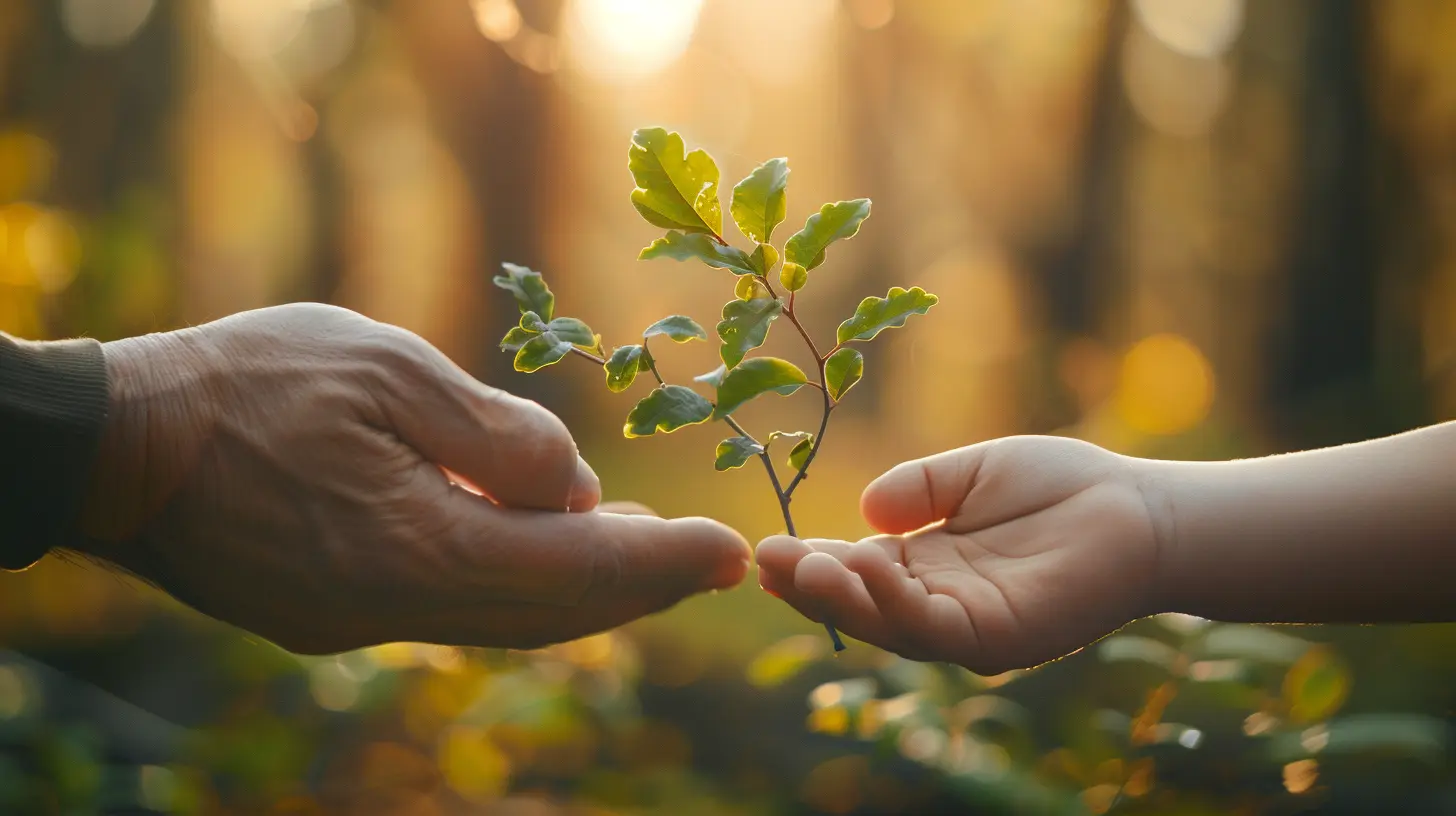
Why Empathy Matters (Spoiler: It’s a Superpower)
Before we step into the woods, let’s talk about why empathy even matters. Empathy is like emotional Wi-Fi—it helps us connect with others without needing to say a word. It’s that gut feeling when your toddler sees a sad puppy and says, “Aww, poor doggy.” It’s the start of compassion, kindness, and understanding, all rolled into one.And in a world where we’re swiping more than talking, empathy is more important than ever. It’s not just about being nice—it's about being human.
So, how do we grow empathy in our kids? One muddy boot at a time.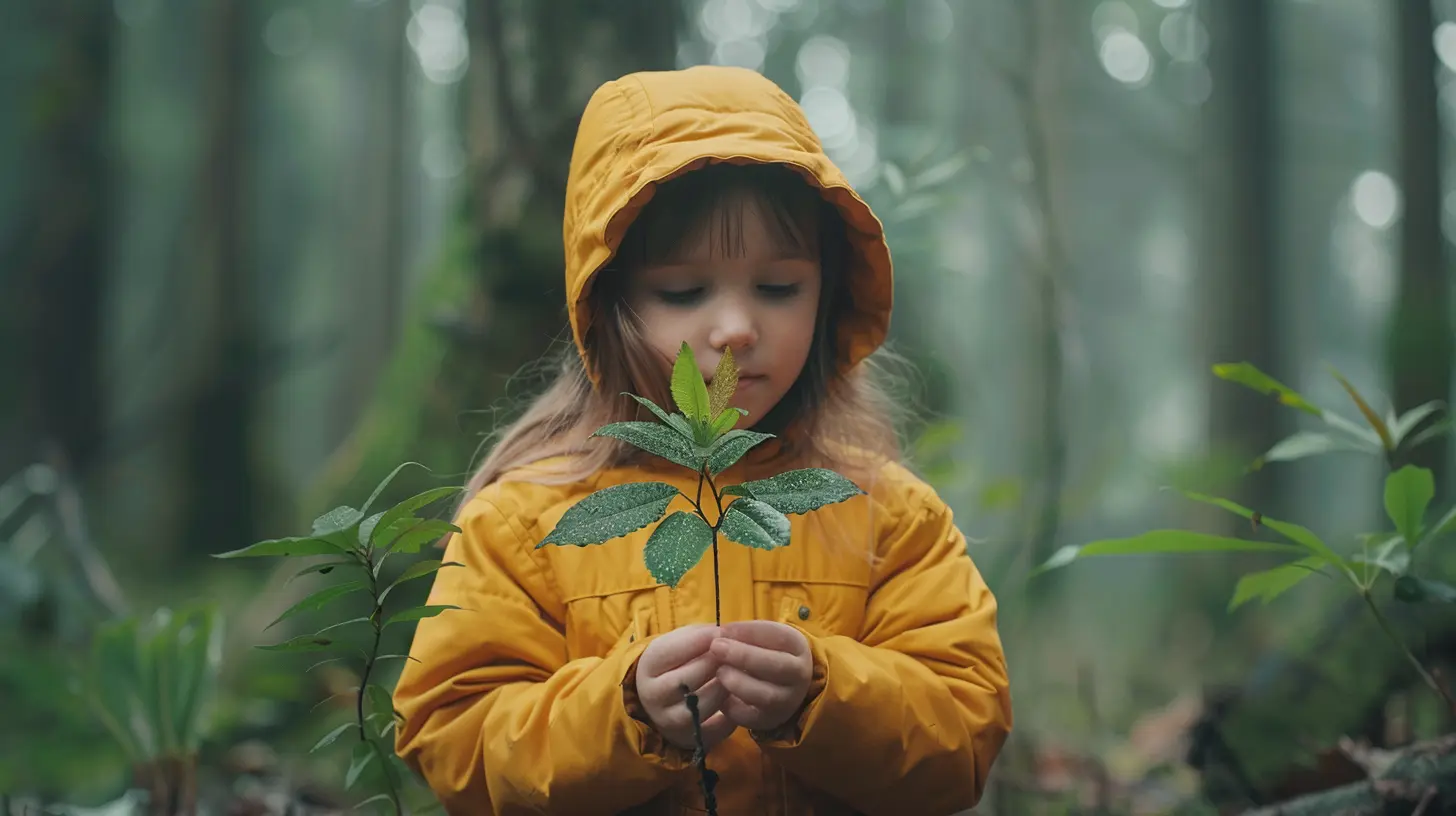
Nature: The Ultimate Empathy Classroom
Alright, so you’re thinking: My kid can't even empathize with their own sock. How is a tree supposed to help?Stick with me here.
Nature is messy and unpredictable. It's full of life, death, growth, decay, joy, and danger. Sound familiar? It’s like a mirror to our human experience. And kids? They’re total sponges, soaking up all that raw, unfiltered nature-ness.
When a child watches an ant carry a crumb ten times its size or sees a bird feeding its babies, they're witnessing tiny dramas unfold. These moments subtly teach them awareness, patience, and most importantly—empathy.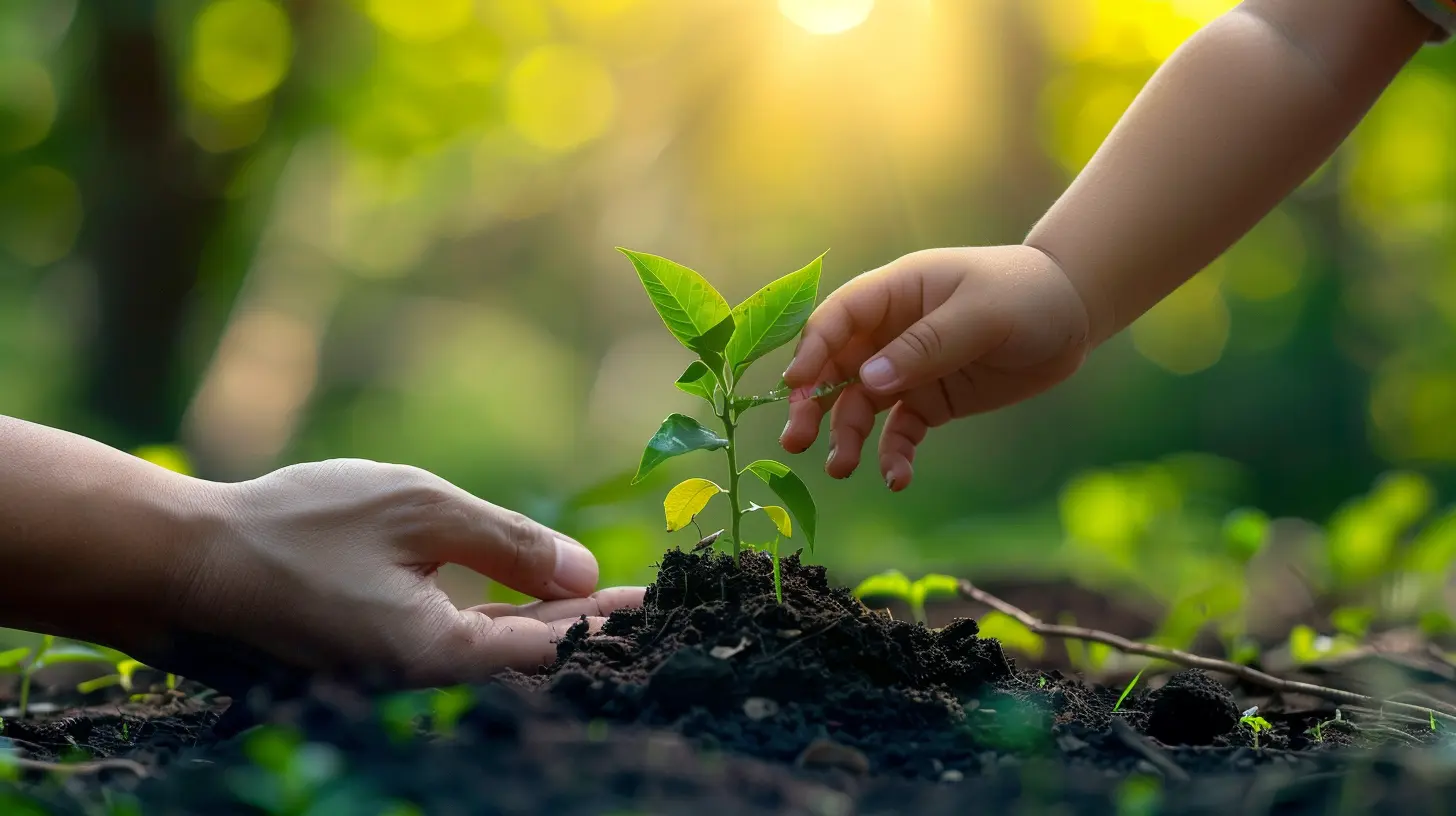
Benefits of Nature Walks on the Brain (and the Heart)
Here’s where things get science-y (but not boring, promise). Multiple studies show that spending time in nature:- Reduces stress and anxiety
- Increases emotional regulation
- Boosts curiosity and creativity
- Improves focus and decision-making
- Encourages social bonding
In short, it makes us nicer. Yup. Being in nature literally changes our brains in a way that makes empathy easier. And all it takes is a bit of fresh air and open eyes.
How to Make Nature Walks a Lesson in Empathy (Without It Feeling Like Homework)
You don’t need a Pinterest-worthy scavenger hunt or a PhD in environmental science. All you really need is intention. Here’s how to sneak empathy into your next outdoor adventure.1. Slow Down and Observe
First rule of the Nature Club: Slow. It. Down.You’re not trying to cover miles here—you’re trying to see the world through your kid’s eyes. Encourage them to crouch, touch, listen, and sniff (maybe not everything… snails are cool but stinky). Ask gentle questions like:
- “What do you think that squirrel is feeling right now?”
- “Why do you think the flower opens when the sun shines?”
- “What would you do if you were that worm?”
Suddenly, your walk becomes a living, breathing empathy lab.
2. Tell Stories About What You See
Kids are natural storytellers. Help them tap into that by making up stories about the creatures you spot. Is that spider a stay-at-home dad? Does that cloud look like a lonely ghost?Letting them assign feelings and experiences to natural elements builds the bridge to understanding. It’s literally flexing their emotional muscles!
3. Clean Up Someone Else’s Home
Okay, no lectures here—but a little gentle environmental stewardship can go a long way.Bring a small bag and pick up trash together. Talk about how animals could get hurt by litter, or how it might make a bird sad to see its nest disturbed.
This isn’t about guilt—it’s about creating a sense of responsibility and compassion for something beyond themselves. It’s the ultimate you-break-it-you-buy-it policy, but for the Earth.
4. Notice the Little Things
Point out dew drops. Watch ants march. Follow a butterfly. Creating moments of awe builds emotional investment.When kids care about the little things, they start caring about the bigger picture too.
5. Ask What They Would Do
Faced with a hurt beetle or a broken branch, ask, “What do you think we should do?” Invite their opinions and problem-solving.This helps them step outside themselves and consider the needs of others, even if those others are six-legged and six millimeters tall.
Quirky Ways to Keep It Fun and Meaningful
Let’s jazz it up a bit, shall we? Empathy can be serious business, but that doesn’t mean it can’t also be quirky and fun.? Empathy Bingo
Make a simple bingo card with spaces for things like:- “Saw a bird feeding babies”
- “Helped pick up trash”
- “Noticed something beautiful”
- “Heard a new sound”
Each square they fill gets you closer to a special family treat—maybe hot cocoa or extra bedtime stories.
? Buddy for a Day
Let your child choose a nature “buddy” for the walk. It could be an ant, a tree, or even a mushroom. Throughout the walk, keep checking in with the buddy:- “Is your mushroom feeling cozy in the shade?”
- “Do you think your ant likes this trail?”
They’ll start thinking from that perspective—which is a total empathy win.
? Nature Feelings Photo Journal
Give them a kid-friendly camera or your old phone and ask them to snap things that match emotions. A drooping flower for sadness. A sunbeam for joy. A tangled vine for confusion.It’s art, therapy, and empathy training all in one.
What If Your Kid Thinks Nature Walks Are Boring?
I hear you. Some kids are born adventurers. Others? Not so much.If your mini human would rather chew on a power cable than walk outdoors, try these tricks:
- Go somewhere new – Even a different park can feel like uncharted territory.
- Bring a friend – Empathy and fun multiply when shared.
- Add tech (sparingly) – Use apps to identify birds, bugs, or trees.
- Make it a game – Look for colors, shapes, or hidden "treasures."
The goal isn’t perfection—it’s presence.
What Nature Teaches Us That Screens Can’t
Let’s face it—empathy doesn’t come from watching someone cry on a reality show. Screens can show emotion, sure, but only nature lets you feel it.Nature teaches patience. It teaches consequences. It teaches that everything is connected—even us.
When your child watches a seed grow into a flower, then wilt, they’re witnessing the cycle of life firsthand. When they learn to step over a bug instead of squishing it, that’s empathy in action.
And when they start to see the world as something to nurture, rather than just use, that’s when you know it’s working.
Final Thoughts: One Step at a Time
Empathy isn’t a switch you flip. It’s a seed you plant. Sometimes it grows slowly, other times in unexpected directions—but it always needs sunlight, water, and attention.Nature gives you all that for free. All you have to do is show up with an open heart and maybe a granola bar (because no one learns anything when they’re hangry).
So next time the chaos of parenting has you ready to hide in the laundry room, lace up those sneakers, grab your kiddo, and take a stroll. Not just for the fresh air—but for a better, kinder world—one leaf, one bug, one muddy boot at a time.
all images in this post were generated using AI tools
Category:
Teaching EmpathyAuthor:

Tara Henson
Discussion
rate this article
1 comments
Patrick Diaz
Taking kids on nature walks is like giving them a superhero cape. They suddenly want to save every worm and tree. Just wait until they start negotiating with ants for their snacks...
May 19, 2026 at 4:41 AM
Tara Henson
That's a wonderful way to put it! Nature truly inspires their sense of wonder and compassion.