Volunteer Opportunities as Meaningful After-School Experiences
12 February 2026
As parents, we all want our kids to grow into kind, responsible, and compassionate individuals. Sure, academics are important, but what about life skills like empathy, teamwork, and resilience? One of the best ways to nurture these qualities is through volunteering.
After-school hours often get filled with screens, homework battles, or idle time. But what if those hours could be transformed into meaningful experiences that shape our children’s character and help the community? That's where volunteering comes in!
In this guide, we'll walk through why volunteering matters, the best after-school volunteer opportunities, and how to get your child involved without overwhelming them. 
Why Volunteering is a Game-Changer for Kids
You might be wondering, Is volunteering really necessary for my child? The short answer? Absolutely! Kids who volunteer gain much more than service hours for a college application. Let’s dive into why volunteering is such a powerful experience for young minds.1. Builds Empathy and Compassion
Volunteering exposes kids to different walks of life. Whether they’re serving meals at a shelter or tutoring younger students, they begin to see the world beyond their bubble.2. Enhances Social Skills and Confidence
Shy or introverted kids? Volunteering can help them step out of their comfort zone. Interacting with new people, working within a team, and taking on responsibilities builds confidence in ways school might not.3. Teaches Responsibility and Work Ethic
No matter what kind of volunteer work they pick, kids learn the importance of commitment, punctuality, and teamwork—all essential life skills.4. Strengthens College Applications and Resumes
If your child is thinking about college or job opportunities, volunteer work makes a resume stand out. It signals to colleges and employers that they take initiative and care about their community.5. Provides a Healthy Break from Screens
Let’s be honest—getting kids off their phones can feel like pulling teeth. Volunteering gives them something constructive to do, away from the endless loop of YouTube, TikTok, and video games.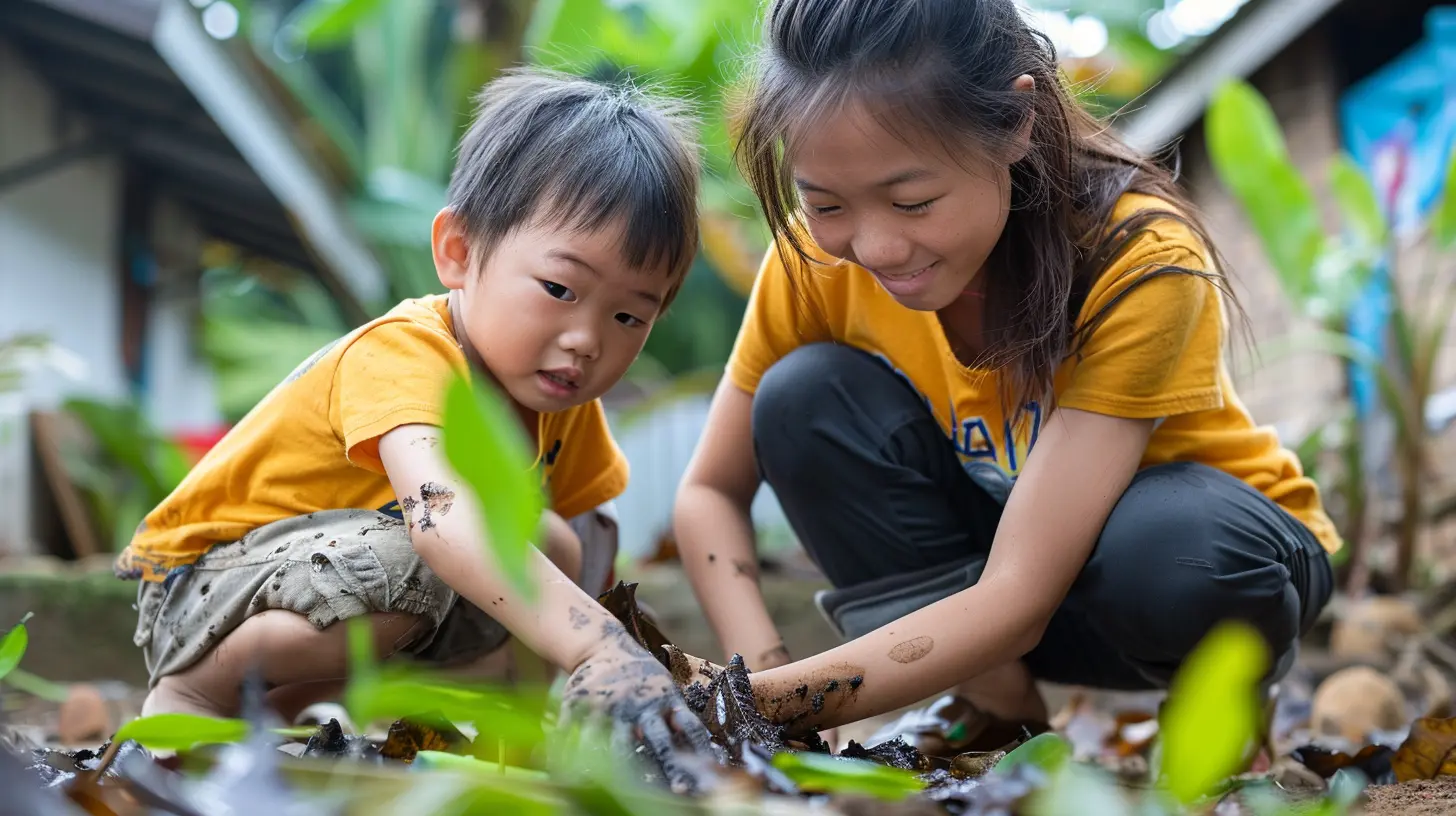
Best Volunteer Opportunities for After-School Engagement
Now that we know why volunteering is important, let’s explore where kids can get involved. Here are some awesome, age-appropriate options to consider!1. Helping at an Animal Shelter
For kids who love animals, volunteering at a local shelter can be a dream come true. They might walk dogs, play with cats, or help clean cages. It’s a win-win—animals get love, and kids learn responsibility!Best for: Animal lovers, ages 10+
2. Tutoring Younger Students
Does your child excel in math, reading, or science? They can volunteer as a peer tutor for younger students. Not only does this reinforce their own learning, but it also helps another child succeed.Best for: Middle & high school students, ages 12+
3. Assisting at Food Banks
Food banks are always looking for volunteers to sort donations, pack food boxes, or serve meals. This is an eye-opening experience that helps kids understand the importance of giving back.Best for: Kids of all ages (some roles may require parental supervision)
4. Visiting Senior Centers
Loneliness is a real issue for many elderly individuals. Just spending time talking, playing board games, or reading to seniors brings joy to their lives.Best for: Outgoing kids, ages 8+
5. Environmental Clean-Ups
If your child loves the outdoors, participating in park clean-ups, tree planting, or beach clean-ups can be deeply rewarding. Plus, it teaches them about environmental responsibility.Best for: Nature lovers, ages 10+
6. Volunteering at a Library
Libraries often offer volunteer positions for kids to help organize books, read to younger children, or assist in community events. This is perfect for kids who enjoy quiet, structured environments.Best for: Book lovers, ages 10+
7. Helping at a Homeless Shelter
Homeless shelters often need volunteers to serve meals, organize clothing donations, or create care packages. This provides kids with a new perspective on gratitude.Best for: Compassionate kids, ages 12+
8. Participating in Community Gardens
Community gardens teach kids about teamwork, sustainability, and healthy eating. They can plant fruits and vegetables and see their work grow—literally!Best for: Hands-on learners, ages 8+ 
How to Get Your Child Involved in Volunteering
So, you’re convinced that volunteering is the way to go? Great! Here’s how you can make it happen without pushing too hard.1. Let Them Choose
Instead of signing them up for something randomly, involve them in the decision. Ask, What excites you the most? Helping animals? Teaching? Cleaning up parks? When kids have a say, they’re much more likely to enjoy the experience.2. Start Small
No need to jump into a 20-hour-a-week commitment. Even volunteering once a month makes a difference! Starting small prevents burnout and keeps it fun instead of feeling like a chore.3. Join as a Family
Sometimes, kids feel more comfortable volunteering if they see you doing it too. Consider a family volunteer day where you all help out together—it becomes a bonding experience!4. Find Local Opportunities
Check out websites like:- VolunteerMatch.org
- Local community centers
- Churches, mosques, or temples
- Schools and libraries
5. Celebrate Their Efforts
A little encouragement goes a long way. After a volunteer experience, talk to your child about how it felt. Recognize their impact—even small acts of kindness matter!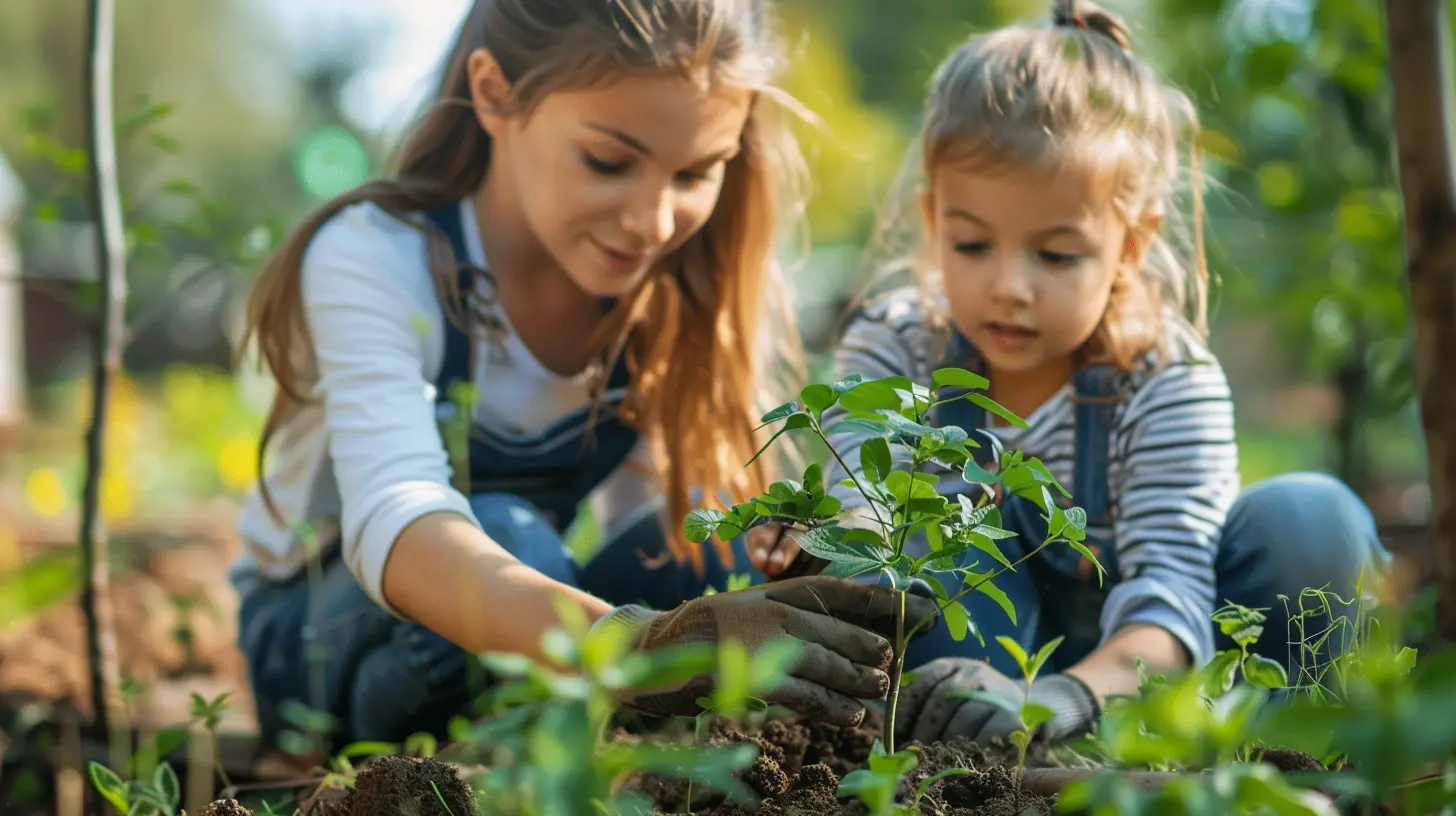
The Lifelong Benefits of Volunteering
The beauty of volunteering isn't just in the immediate impact—it's in the lifelong lessons it teaches. Many kids who volunteer grow up to be adults who make community service a priority.When kids understand the joy of giving, they develop a mindset of gratitude and generosity. And isn’t that what parenting is all about—raising kind, aware, and responsible humans?
So, why not take that first step today? Whether it’s helping at an animal shelter, tutoring a younger student, or organizing a park clean-up, each act of service helps shape a better world and a better child.
all images in this post were generated using AI tools
Category:
After School ActivitiesAuthor:

Tara Henson
Discussion
rate this article
2 comments
Sonya McAdoo
Engaging in volunteer opportunities after school not only enriches your child's life but also fosters empathy and responsibility. These experiences cultivate invaluable skills while deepening connections within the community, creating a brighter future for everyone involved. Let’s inspire change together!
March 8, 2026 at 3:47 PM
Tara Henson
Thank you for highlighting the importance of volunteer opportunities! Engaging in such activities truly creates lasting benefits for children and the community alike. Let's continue to inspire positive change!
Arianth Luna
What a fantastic idea! Engaging kids in volunteer work not only nurtures empathy but also helps them discover their passions. I’m curious about how different types of volunteer experiences can shape their perspectives and skill sets. Great read!
February 16, 2026 at 3:28 AM
Tara Henson
Thank you! I completely agree—engaging in diverse volunteer experiences can profoundly shape children's perspectives and skills, helping them grow both personally and socially.