Books About Family: The Power of Relatable Stories for Kids
10 June 2026
Have you ever watched your child turn the last page of a book with a big, satisfied sigh? That’s the magic of a good story—the kind that lingers in their heart long after the book is closed. When the story revolves around family, it does more than entertain. It teaches, comforts, and connects.
Kids crave stories they can see themselves in. Stories that reflect their everyday experiences, oddball relatives, bedtime routines, and even the mess-ups and make-ups parents know all too well. That’s why books about family can be so powerful. They don’t just tell tales—they mirror reality in the most magical way.
In this post, we’ll dive into why books about family are essential, how they help with emotional development, and recommend some must-reads that your little ones won’t be able to put down. Whether you’re a parent, caregiver, teacher, or book-loving aunt or uncle—this one's for you.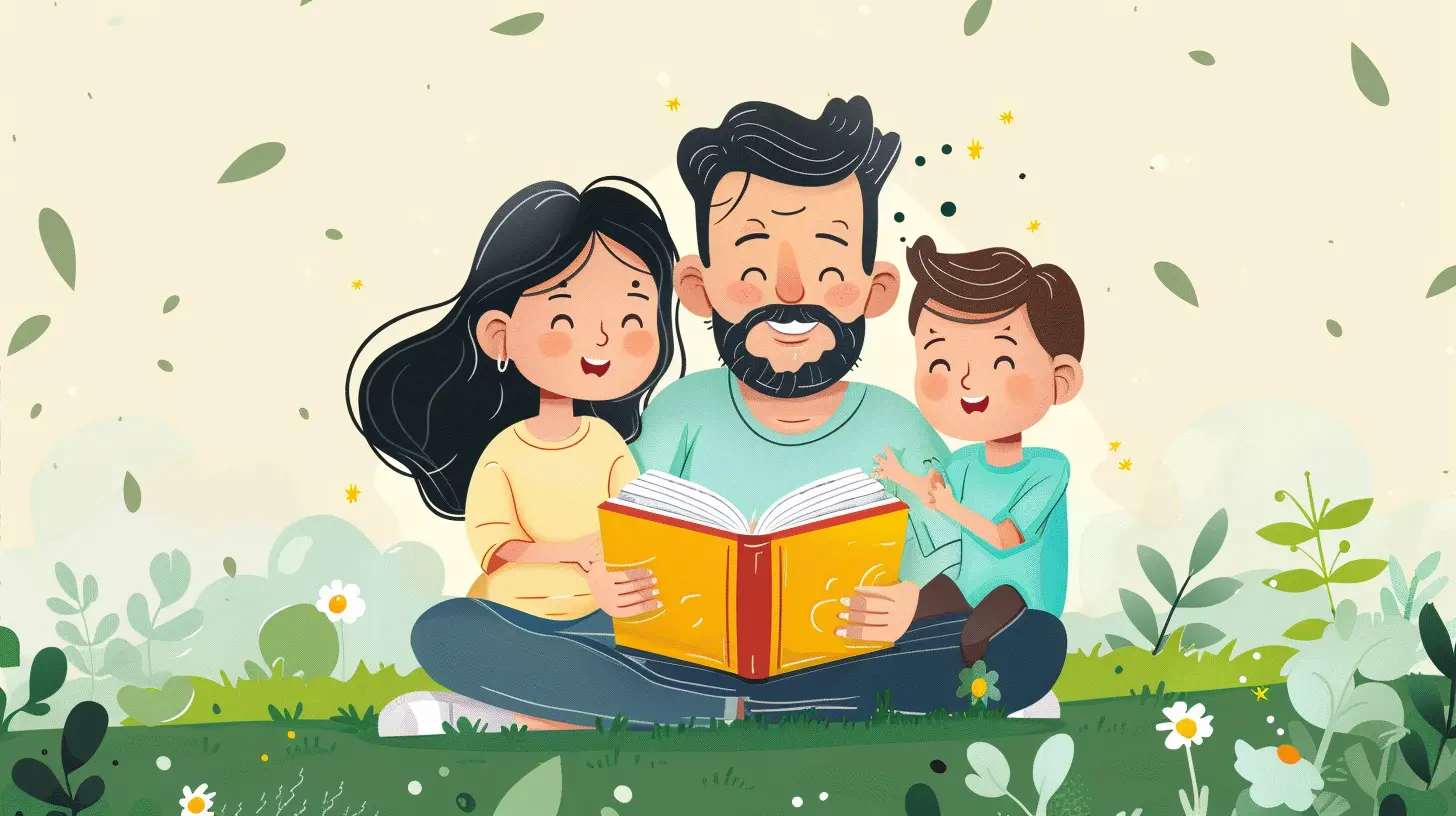
Why Family-Centered Books Matter More Than Ever
Let’s face it—kids are growing up in a world that’s anything but simple. Between screen time, school stress, and social challenges, they’re constantly processing big emotions. Reading about families, in all their shapes and sizes, helps kids make sense of their own little universe.Family-themed books:
- Offer a sense of belonging
- Help normalize emotions
- Showcase different family structures
- Promote empathy and understanding
And here's the beautiful part: kids don’t even realize they’re learning. They're just soaking up these quiet, meaningful lessons while wrapped in a cozy blanket and flipping through pages.
The Emotional Bond: Why Kids Connect with Relatable Stories
Have you ever seen a kid's face light up when a character goes through something they’ve experienced themselves? It’s like watching a lightbulb turn on. That sense of "Hey, that’s just like my family!" makes stories that much more powerful.Books with relatable family dynamics:
- Give kids language for their feelings
- Reduce anxiety about common childhood fears
- Offer different perspectives on conflicts and resolutions
- Help kids understand roles within their own family units
Plus, when children see families that look like theirs—whether in structure, culture, or habits—it provides representation they might not find elsewhere. And representation? It matters. A lot.
The Many Faces of Family in Children's Books
Not every child lives in a traditional nuclear family. Some live with grandparents, stepparents, two moms or two dads, foster families, or single parents. The best part? Books today are starting to catch up with the real world—and that’s something to celebrate.Let’s break down some of the beautiful ways family is portrayed in kids' literature:
1. Traditional Families
Think siblings squabbling over toys, parents juggling work and playtime, and bedtime stories that tug at the heart. Classics like Little Bear or The Berenstain Bears offer cozy familiarity.2. Blended Families
Books like Two Homes by Claire Masurel show that love doesn’t have one address. These stories help normalize divorce and remarriage in a gentle, affirming way.3. Grandparent Guardians
In some families, grandma and grandpa are the superheroes. Stories like A Chair for My Mother by Vera B. Williams honor those relationships in touching ways.4. Adoptive and Foster Families
Books like The Family Book by Todd Parr celebrate how families are made, not just born. These stories reinforce that love is what makes a family, not biology.5. LGBTQ+ Families
Diverse books like And Tango Makes Three by Justin Richardson and Peter Parnell show that families come in all colors and configurations—and every child deserves a story that reflects their life.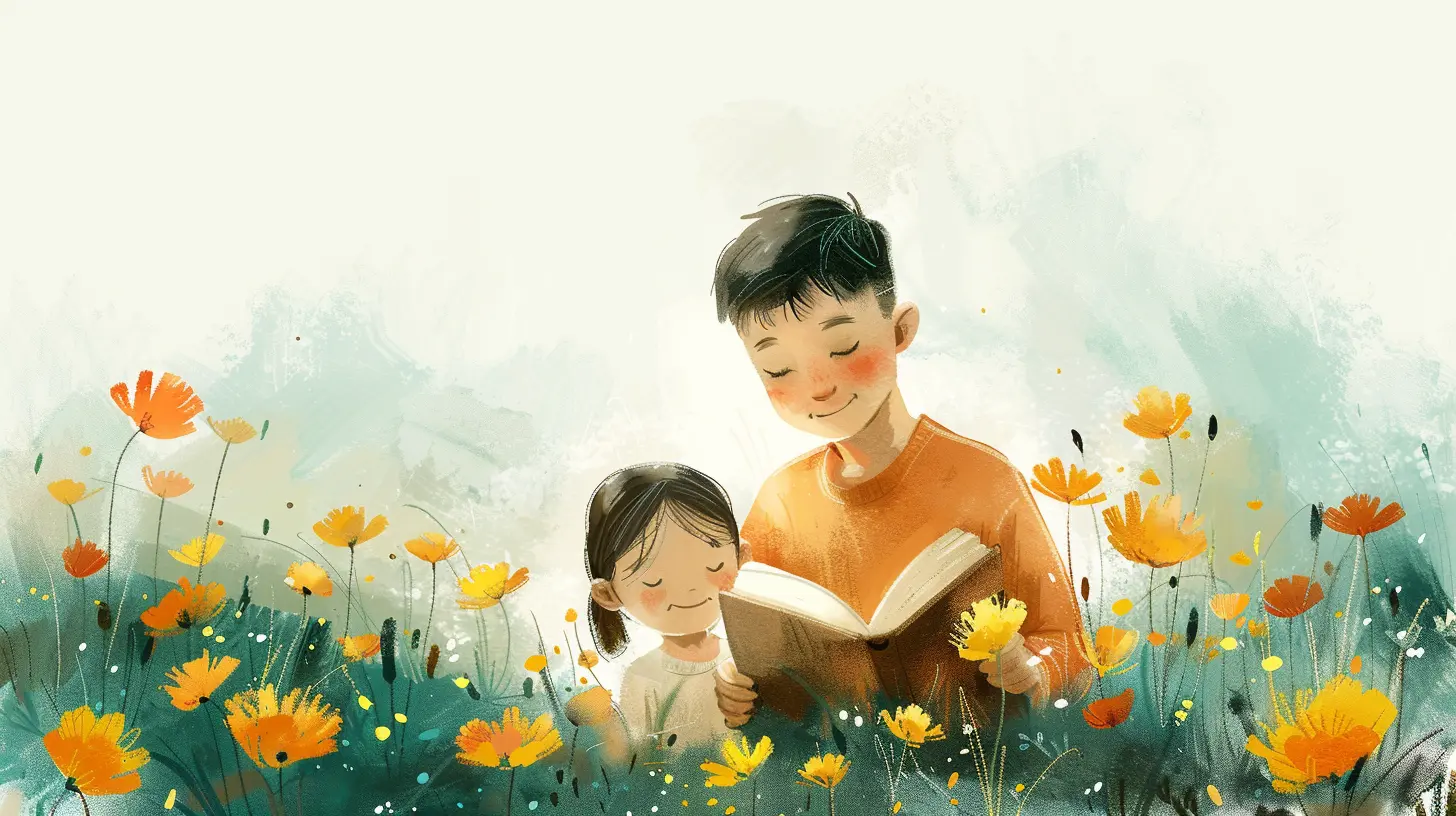
Top Benefits of Reading Family-Themed Books with Your Kids
So, what happens when you regularly read books about family together? Magic. That's what.Here’s what your child is getting from those cuddly, storytime sessions:
1. Emotional Intelligence Boost
Stories show kids how to name emotions, handle conflict, and express love or frustration in healthy ways. They learn by watching characters do it—even if those characters are talking animals!2. Improved Communication
Reading about family scenarios opens the door for real-life conversations. Use story moments as teaching tools—“What would you do if your little brother broke your favorite toy?”3. Stronger Parent-Child Bond
Yes, you’re tired. Yes, the laundry is never-ending. But taking ten minutes to read a meaningful story tells your child: “I'm here for you. We’re in this together.”4. Cognitive and Literacy Skills
Of course, books improve vocabulary, comprehension, and focus. But family-centered stories go a step further by reinforcing real-life problem-solving and critical thinking.Must-Have Family-Themed Books for Your Child’s Shelf
Here come the good bits—book recommendations! Whether you’re just building your bookshelf or looking to add a few gems, here are some heartwarming titles to consider:1. Love You Forever by Robert Munsch
A classic tearjerker that spans generations and shows the unbreakable bond between parent and child.2. Last Stop on Market Street by Matt de la Peña
A beautiful story about a boy and his grandma riding the bus, learning to find beauty and kindness in the everyday.3. The Invisible String by Patrice Karst
This one explains how we’re always connected to the ones we love—even when they’re not physically there.4. Peter’s Chair by Ezra Jack Keats
A relatable story of sibling jealousy and acceptance. Perfect for kids adjusting to a new baby in the house.5. All Are Welcome by Alexandra Penfold
Celebrates diversity at school and at home, reminding kids that there’s a place for everyone.6. Saturday by Oge Mora
A beautiful tale of a mother-daughter day that doesn’t go as planned—but teaches the real meaning of quality time.7. Stella Brings the Family by Miriam B. Schiffer
Takes on the concept of non-traditional families with warmth and humor. Spoiler alert: Stella has two dads.Reading Tips to Make the Most Out of Family Stories
Not every child warms up to reading right away—and that’s okay! The trick is to make it meaningful and fun. Here’s how:1. Personal Connections
Stop mid-story and ask questions like, “Does this remind you of when we visited Grandma?” or “Have you ever felt like that?”2. Keep It Cozy
Make it a ritual. Snuggle up in a blanket fort, sip warm milk, and turn bedtime into a storytime adventure.3. Rotate the Books
Keep things fresh with new titles, but don’t be afraid of re-reads. Kids love revisiting familiar stories—it’s like putting on their favorite hoodie.4. Involve the Whole Family
Let siblings act out parts or have themed reading nights. Who says reading has to be quiet?Real Families, Real Impact
Sometimes the most powerful stories don’t come from books—but the conversations they spark. Maybe a story about a lonely grandparent inspires your child to call theirs. Or a tale about a blended family makes a kid feel less "different." That’s the gift of family books: they help us see, feel, and connect better—with others and with ourselves.Remember, every family is a story in itself. And when kids read about families like theirs—or entirely different from theirs—they come away with a deeper understanding of the world and their place in it.
Final Thoughts
Books about family aren’t just stories—they’re mirrors, windows, and forever keepsakes. They help children navigate emotions, understand relationships, and feel less alone in the big, messy, beautiful concept we call family.So next time you’re picking a book for your little one, reach for a family-centered story. It might just be the hug they didn’t know they needed.
Now, go ahead and flip that next page—it might just change how your child sees the world.
all images in this post were generated using AI tools
Category:
Childrens BooksAuthor:

Tara Henson
Discussion
rate this article
1 comments
Kenna Larsen
In every page turned, secrets unfold. Stories about family mirror our own lives, weaving connections that linger far beyond childhood. Which book holds the key to understanding your family's hidden tales? Discover the magic waiting in the words.
June 10, 2026 at 3:30 AM