Car Seat Safety: What Every Parent Needs to Know
7 July 2026
Hey there, super parents! ? Whether you're a new mom or dad, a proud grandparent, or a seasoned minivan-driving parenting pro—keeping your little one safe on the road is a top priority. So, let’s buckle up and dive into one of the most crucial topics in child safety: car seat safety.
This isn’t just about following the rules. It’s about protecting your tiny backseat driver from the moment you bring them home from the hospital to the day they move on to regular seat belts. Car seats are your child's first line of defense in a car crash, and knowing how to use them correctly could literally save a life.
Let’s make sure you’ve got everything you need to keep your bundles of joy safe while cruising down the road!
Why Car Seat Safety Is a Big Deal
Think of a car seat like a mini-fortress. It's designed to keep your child secure in the event of a crash, sudden stop, or even a hard turn. Yet, studies show that nearly half of all car seats are used incorrectly. Yikes!Here’s the thing: no matter how short the trip or how careful a driver you are, accidents can (and do) happen. It's a bit like putting a helmet on your kid when they ride a bike—just more padded and way more straps.
And let’s not forget: car seat safety isn’t just a good idea; it’s the law.
The Car Seat Timeline: Birth to Booster
Kids grow fast—like, blink-and-they’re-taller fast. That means you’ve gotta stay on top of which seat they need and when.Rear-Facing Seats (Newborn to Age 2+)
You know those adorable, bucket-style seats with a handle? That’s a rear-facing infant seat, and it’s where every tiny human starts their car journey.Experts (and the American Academy of Pediatrics) recommend keeping your child rear-facing as long as possible, ideally until at least age 2—or even longer if they haven’t hit the seat’s height or weight limit.
Why rear-facing? It’s all about physics, baby! In a crash, this position distributes the force across the strongest parts of the child's developing body. Basically, it cradles their head, neck, and spine like a protective hug.
Forward-Facing Car Seats (Age 2 to 7)
Once your kiddo outgrows their rear-facing seat, it’s time for a forward-facing car seat with a 5-point harness.You know the type: your child climbs in like royalty, and you tighten the straps like you're securing a mini astronaut. These seats usually have higher weight and height limits—perfect for growing adventurers.
Booster Seats (Age 5 to 12)
When your child exceeds the limits of their forward-facing seat, it’s time to graduate to a booster. This type of seat helps position the vehicle’s seat belt properly across your child’s chest and hips—not their neck or stomach.Pro tip: Kids should stay in a booster until they’re big enough to fit in a seat belt properly, which usually happens around age 8-12. If the seat belt cuts across their neck or they can’t sit with their back against the seat and feet flat on the floor, it’s booster time, my friend.
Regular Seat Belts (12 and Up)
Once your tween can sit safely without slouching, knees bent over the seat edge, and the seat belt sits nicely over their shoulder and hips—congrats! You’re ready to ditch the booster. But—big but—they still need to ride in the back seat until they hit at least 13. Trust us, that front airbag is no joke.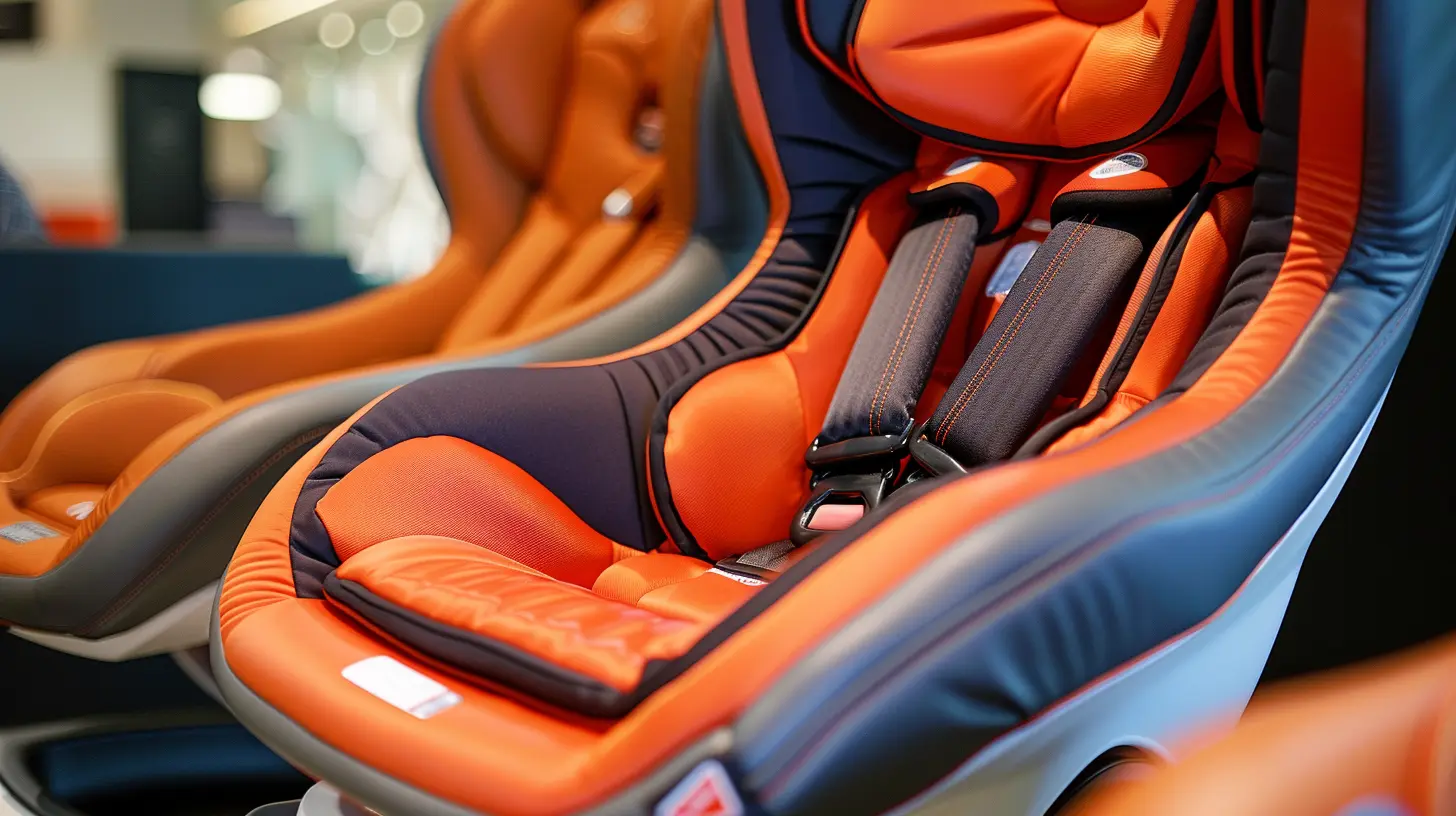
Common Car Seat Mistakes (And How to Avoid Them)
Ever try installing a car seat and thought it required a PhD in engineering? You're not alone. But even small mistakes can make a big difference in safety.Let’s break down the most common oopsies:
1. Loose Installation
Your car seat shouldn’t jiggle like a bobblehead. Once installed, it should not move more than one inch side-to-side or front-to-back. If it's doing the cha-cha, you've got to tighten it up!2. Harness Too Loose or Twisted
The harness straps should be snug enough that you can’t pinch any slack at the shoulder. Think of it like a hug—firm but not squishing.Also, make sure straps are flat. Twisted straps = less protection.
3. Turning Forward Too Soon
We get it—rear-facing can feel like a tight squeeze as babies grow. But flipping them forward before they max out the rear-facing seat’s limits puts that tiny neck at risk. Hold off as long as you can.4. Bulky Coats Under the Harness
Puffy jackets might be cute for winter photos, but they can compress in a crash and leave the harness too loose. Use thin layers and tuck a blanket over the straps instead.5. Wrong Recline Angle
Infants, especially newborns, need a specific recline angle to keep their airways open. Check the angle indicator on your car seat—yes, it's there for a reason!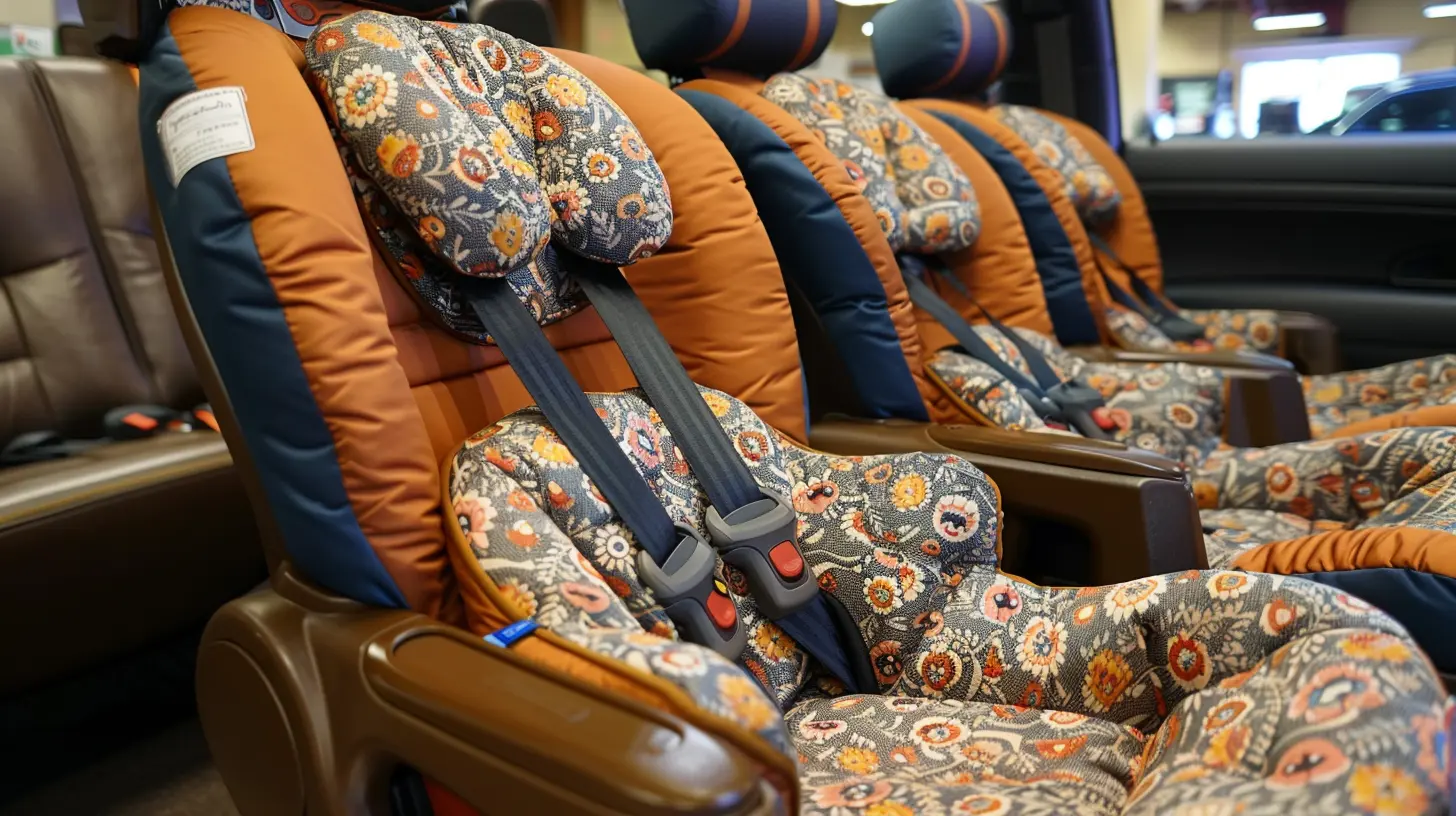
Car Seat Installation Basics
Let’s simplify this! You’ve got two main installation methods:LATCH System
LATCH stands for Lower Anchors and Tethers for Children. Basically, it’s a built-in set of hooks and anchors designed to make installation easier without using the seat belt.BUT—you can’t use the LATCH system and the seat belt at the same time (unless your seat says otherwise). Pick one.
Vehicle Seat Belt
If you’re using the seat belt, make sure it’s locked in place. Most modern seat belts lock when you pull them out fully and let them retract. Pull till it clicks, let it slide back in, and boom—locked.Tether Time
If your forward-facing seat comes with a tether strap (it probably does), USE IT. It attaches to an anchor point behind the seat and helps reduce forward movement in a crash.The Expiry Date is Real (Yep, Car Seats Expire!)
Car seats have expiration dates? You bet!Plastic can degrade over time, and safety standards change. Most car seats last about 6–10 years from the manufacturing date. Check the label—usually found on the bottom or side of the seat—to see when it’s time to retire it.
And no, this isn’t just a sneaky marketing ploy. Using an expired seat is like eating week-old sushi. Just... don’t.
Can You Buy a Used Car Seat?
Short answer: Maybe. Long answer: Be really, really careful.If the seat comes from someone you trust, and you 100% know it hasn’t been in a crash, the labels are still intact, and it hasn’t expired—then okay. But if any of those are questionable, it's not worth the risk.
Remember, a secondhand car seat is not the place to scrimp and save.
Traveling With a Car Seat
Planning a vacation? Wondering if you need a car seat on the plane? Here's the scoop:- Airlines: Most let you bring a car seat for free. Some allow car seats on board if you’ve purchased a seat for your child. Check with your carrier.
- Rental Cars: While many offer car seats, availability and cleanliness can vary. If you can, bring your own.
- Public Transportation: Buses and trains generally don’t require car seats, but ride-share services like Uber and Lyft often do—check local laws.
Pro Tips for the Road
1. Read the manual—both for your car seat and your vehicle. Yes, I know… manuals are boring. But they’re also lifesavers.2. Register your car seat—so you’ll be notified in case of recalls.
3. Schedule a car seat check—many fire stations and hospitals offer this for free. Let a pro inspect your install!
4. Don’t rush transitions—just because your kid hits the minimum age or weight doesn’t mean they’re ready to level up.
A Final Word (Or Two)
Car seat safety doesn’t have to be rocket science, but it does require attention, patience, and a bit of elbow grease. Think of it like installing your child’s personal security system every time you hit the road.Yeah, there are a few things to remember, and maybe a few straps that drive you nuts—but at the end of the day, it's all worth it. Because there's nothing more important than your child’s safety. ?
So next time you’re wrangling with a car seat in the parking lot, take a deep breath, channel your inner superhero, and know you're doing an amazing job. Safety first, tantrums second!
all images in this post were generated using AI tools
Category:
Baby CareAuthor:

Tara Henson
Discussion
rate this article
1 comments
Ulrich McFarlane
This article is a must-read for every parent. It breaks down essential car seat safety tips clearly and effectively. Ensuring our kids are safe in the car should be our top priority, and this guide makes it easier to understand.
July 19, 2026 at 2:26 AM