Fostering Empathy in Toddlers: Practical Strategies for Everyday Life
10 March 2026
Empathy is one of the most valuable traits a person can have. It helps us build stronger relationships, communicate effectively, and navigate the world with kindness. But empathy isn’t something we’re born with—it’s something we learn. And when it comes to toddlers, teaching empathy can feel like a tall order.
If you've ever witnessed your little one snatch a toy from another child or completely ignore their friend's tears, you might wonder: Will my child ever learn to care about others? The short answer is yes! While empathy isn't innate, it's a skill we can nurture from an early age.
In this article, we'll explore practical, everyday strategies to foster empathy in your toddler—because the earlier we lay the foundation, the kinder and more compassionate our children will become. 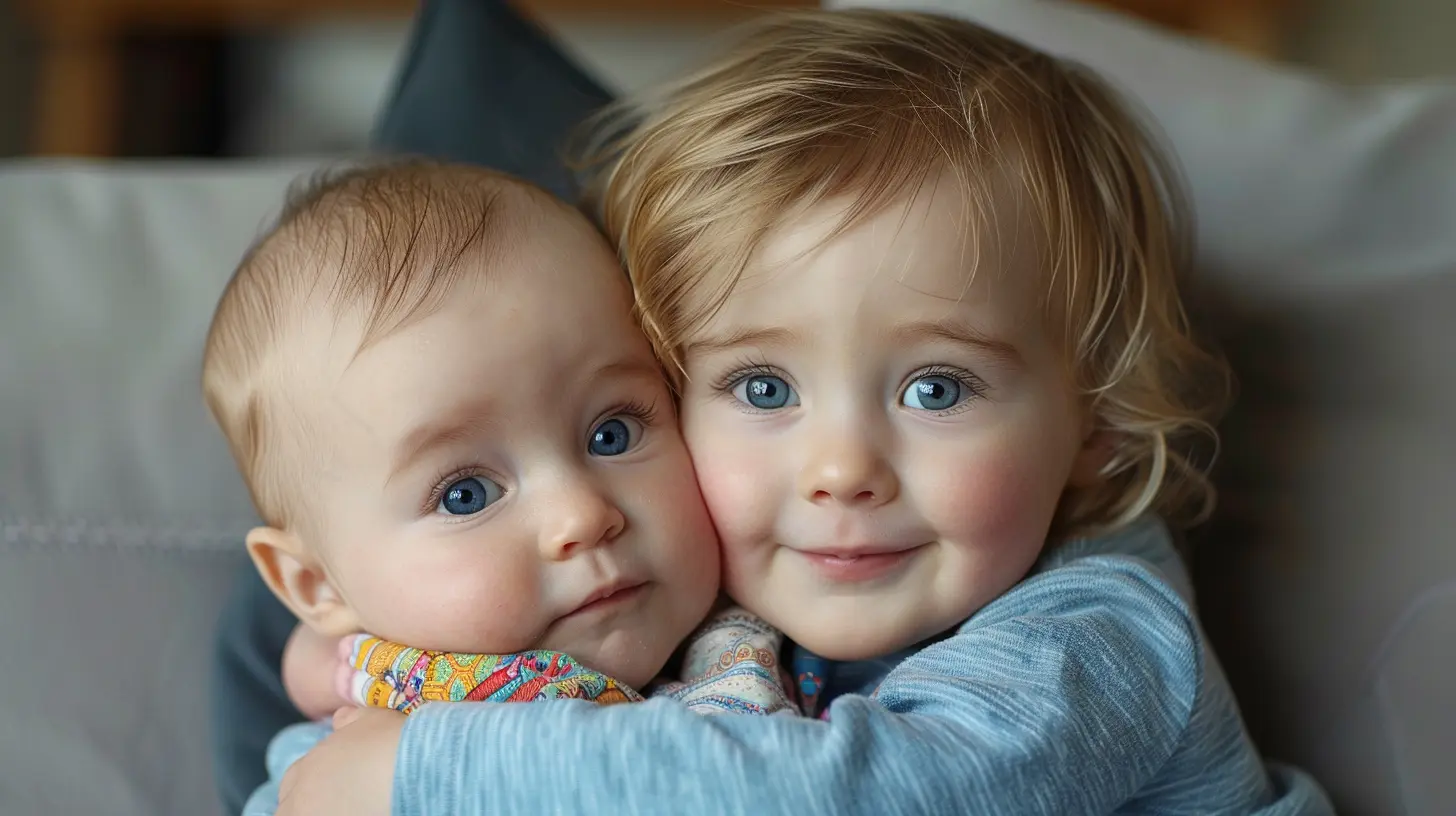
Understanding Empathy in Toddlers
Before diving into strategies, let's break down what empathy actually is.Empathy is the ability to understand and share the feelings of another person. There are two main types:
1. Cognitive empathy: Understanding how someone else feels.
2. Emotional empathy: Feeling what someone else is feeling.
Toddlers are naturally egocentric—it’s a normal stage of development. They are still learning that other people have thoughts and feelings different from their own. However, with the right guidance, they can begin developing the ability to recognize emotions in others and respond with kindness. 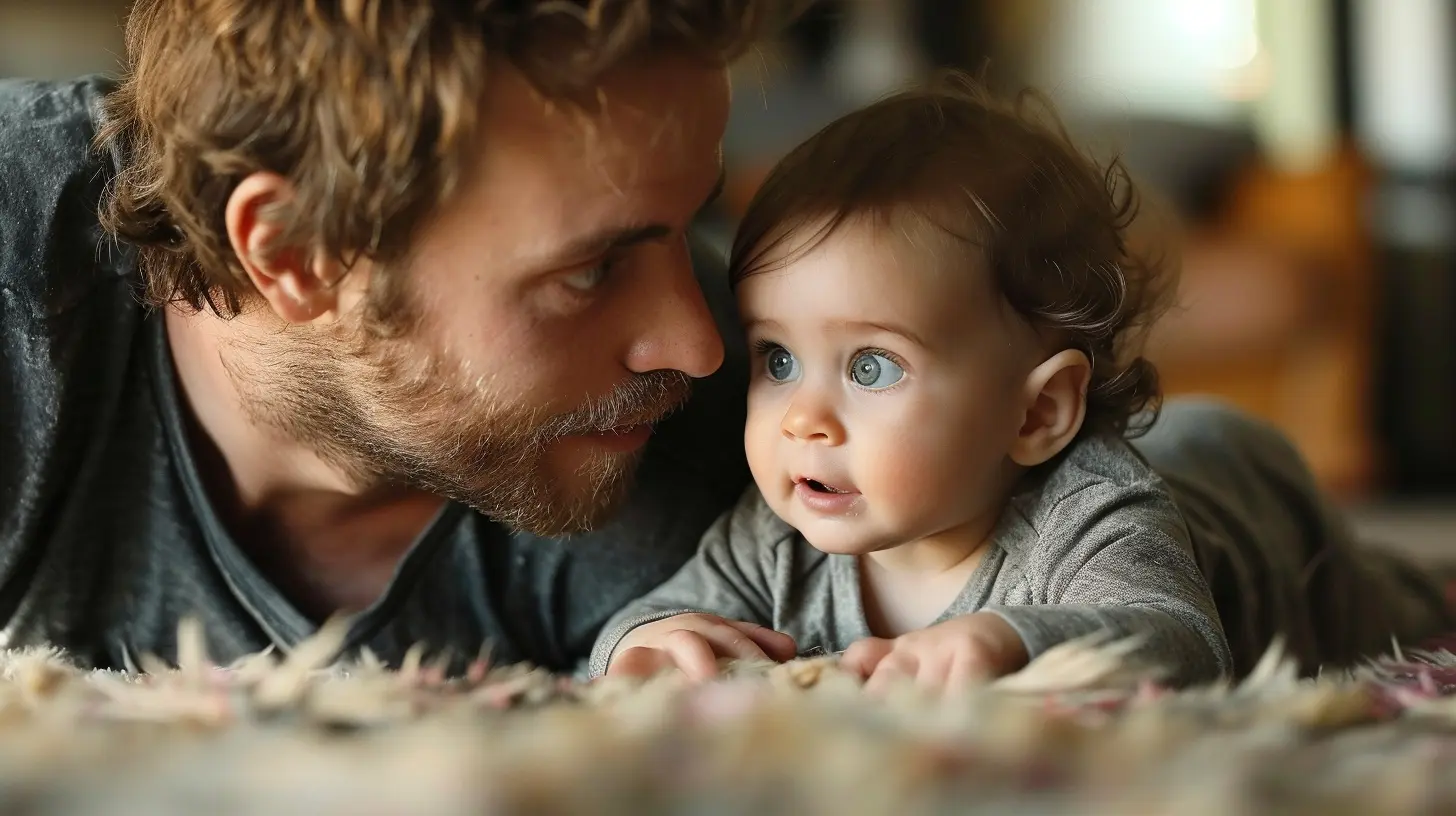
Practical Strategies to Foster Empathy in Toddlers

1. Model Empathy in Daily Life
Kids learn by watching us. If we want our children to be empathetic, we need to show them what empathy looks like.- When your child is upset, acknowledge their feelings: "I see that you're sad because your toy broke. That must be really disappointing."
- Show kindness in your interactions with others—whether it’s comforting a friend or speaking gently to a pet.
- Verbalize your empathy in daily situations: "That little boy fell down. I bet he’s feeling hurt. Let’s ask if he’s okay."
The more they see empathy in action, the more likely they are to replicate it.
2. Label and Discuss Emotions
Young children don’t naturally understand emotions, so it helps to put names to feelings.- Use books, pictures, and real-life situations to identify feelings: "That girl looks sad. Do you see her tears?"
- Encourage your child to express their own emotions: "Are you feeling mad because we have to leave the park?"
- Help them recognize emotions in others: "Look at Jake’s face. He looks frustrated. What do you think happened?"
The more familiar toddlers become with emotions, the easier it will be for them to recognize them in themselves and others.
3. Encourage Perspective-Taking
Helping toddlers understand another person's point of view is key to developing empathy.- Ask simple questions to help them think about others' feelings: "How do you think Emma felt when you took her toy?"
- Role-play different scenarios to help them practice problem-solving with empathy.
- Use stuffed animals or dolls to act out situations like sharing, comforting, or helping.
At first, they may struggle with this concept, but over time, they’ll start to grasp that their actions affect others.
4. Teach the Power of Kindness
Empathy naturally leads to kindness, and small acts of kindness can make a big difference.- Encourage your child to do thoughtful things for others, like giving a hug when someone is sad or sharing their snack.
- Point out acts of kindness around them: "Did you notice how your friend helped pick up toys? That was very kind!"
- Praise acts of kindness when they happen: "That was so nice of you to help your little brother. You made him happy!"
Making kindness a habit will reinforce the connection between empathy and positive actions.
5. Read Books That Promote Empathy
Books are a fantastic way to teach empathy because they help kids see the world from someone else’s perspective. Some great empathy-building books for toddlers include:- The Rabbit Listened by Cori Doerrfeld
- Be Kind by Pat Zietlow Miller
- Last Stop on Market Street by Matt de la Peña
- A Sick Day for Amos McGee by Philip C. Stead
As you read, pause and ask questions: "How do you think the character feels? What would you do if that happened to you?"
6. Encourage Caring Actions
Toddlers love to be helpful, so give them simple opportunities to care for others.- Let them help take care of pets by feeding or brushing them.
- Encourage them to assist a younger sibling with a task.
- Involve them in small acts of kindness like making a get-well card for a sick friend.
These small moments teach them that their actions can make a difference.
7. Teach Apologies with Meaning
Saying "sorry" is more than just words—it’s about recognizing and making amends.- Instead of forcing a quick apology, help them understand why an apology is needed: "Emma is sad because you grabbed her toy. What can we do to make her feel better?"
- Encourage making things right, like offering a hug, sharing, or saying kind words.
- Model sincere apologies in your own interactions: "I’m sorry I raised my voice. That wasn’t kind of me."
Teaching genuine apologies helps toddlers develop emotional awareness and responsibility.
8. Set Clear Expectations for Kind Behavior
Kids thrive on consistency, so it’s important to set clear expectations for kindness.- Reinforce that hurting others—whether physically or with words—is not okay.
- Praise positive interactions when you see them.
- Use gentle yet firm corrections when needed: "We don’t hit when we’re upset. Let’s use words instead."
When children understand that kindness is expected, they’re more likely to practice it.
9. Be Patient—Empathy Takes Time
Empathy isn’t learned overnight; it’s a gradual process that develops over years.There will be moments when your toddler acts in completely selfish ways—that’s normal! Instead of feeling frustrated, see these moments as learning opportunities.
Keep modeling, keep discussing emotions, and keep encouraging kindness. Over time, these small lessons will shape them into more compassionate individuals. 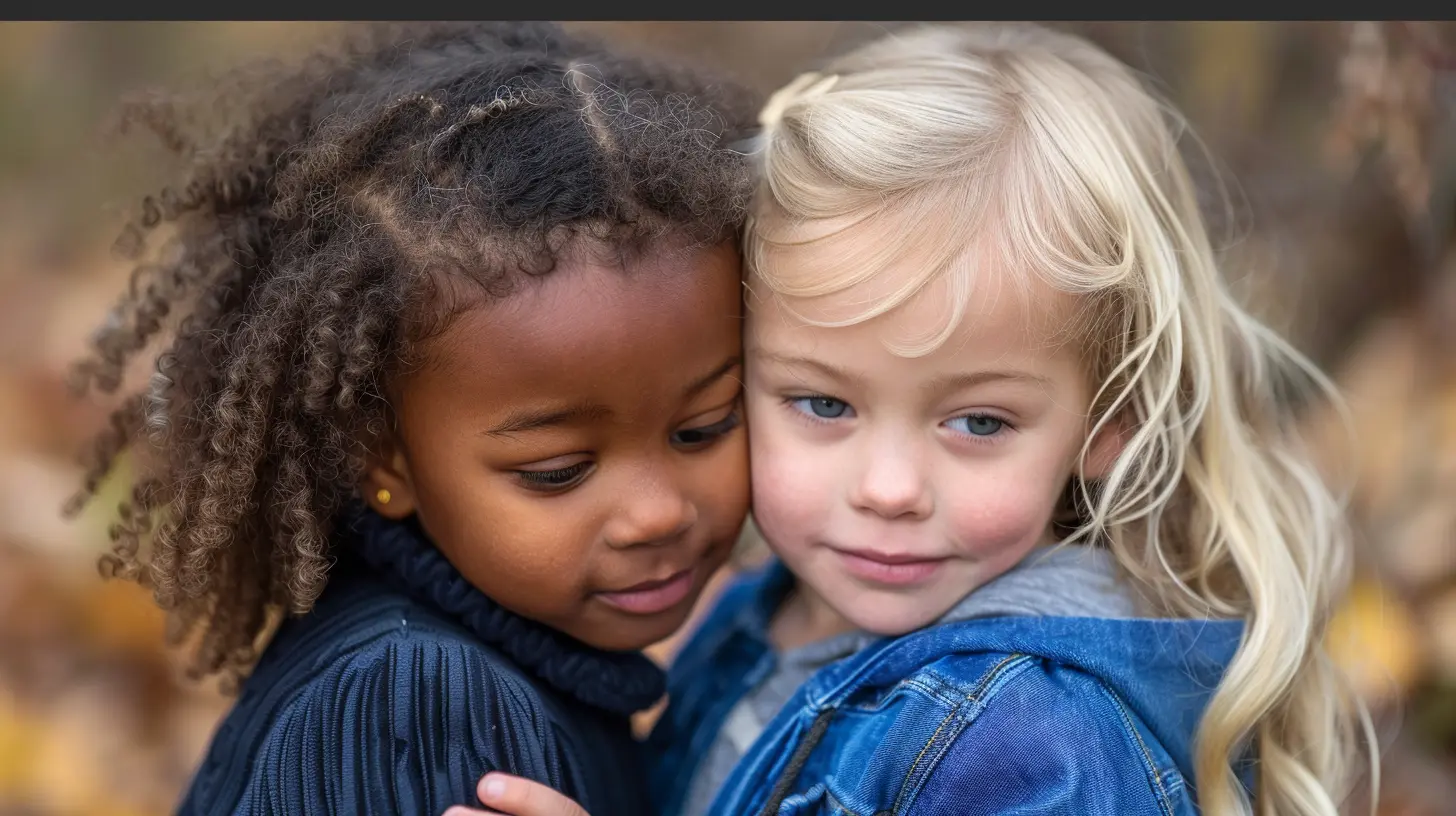
Final Thoughts
Fostering empathy in toddlers isn't about teaching a one-time lesson—it's about creating a loving environment where kindness and understanding are part of everyday life.By modeling empathy, encouraging perspective-taking, and reinforcing compassionate actions, we’re helping our little ones build the social and emotional skills they need for a lifetime of meaningful relationships.
And remember, parenting isn’t about perfection—it’s about progress. So, take it one day at a time, and celebrate the small moments of kindness along the way.
Because in the end, raising an empathetic child isn’t just about making the world better for them—it’s about making the world better for everyone.
all images in this post were generated using AI tools
Category:
Teaching EmpathyAuthor:

Tara Henson
Discussion
rate this article
2 comments
Valeris McGinn
This article offers valuable insights into nurturing empathy in toddlers. By incorporating everyday strategies, parents can cultivate emotional awareness, fostering a foundation for compassionate interactions as their children grow and develop.
March 23, 2026 at 3:18 AM
Tara Henson
Thank you for your thoughtful comment! I'm glad you found the insights valuable for nurturing empathy in toddlers. Your support means a lot!
William Kearns
Great tips! Empathy is crucial for toddlers. Simple daily practices, like modeling empathy and encouraging sharing, can make a big difference in their development.
March 12, 2026 at 3:32 AM
Tara Henson
Thank you! I'm glad you found the tips helpful. Modeling empathy and encouraging sharing are indeed powerful ways to nurture young children's emotional development.