How to Create a Family Culture of Active Participation
4 June 2026
Families are like gardens—you get out of them what you put into them. A family culture of active participation creates a home environment where every member feels valued, involved, and connected. But let’s be real: fostering this type of culture isn’t something you can achieve overnight. It takes time, intentionality, and yes, a little elbow grease!
In this article, we’re going to dive into what it means to nurture an environment where everyone—kids and adults alike—has a voice, contributes, and supports one another. Because at the end of the day, isn’t that what family is all about?
By the time you’re done reading, you’ll walk away with actionable tips on how to build a family unit that thrives on teamwork, communication, and shared values. So, grab a cup of coffee (or whatever fuels your parenting superpowers), and let’s do this together. 
What Does Active Participation Really Mean?
Think back to when you were a kid. Did you feel like your opinion mattered? Were you encouraged to join in family activities willingly, or were you just tagging along? Active participation in a family means every single member is contributing in meaningful ways—whether it’s through decision-making, teamwork, or simply showing up for one another.It’s not about having a dictatorship where one parent calls all the shots. Nor is it about kids running the house like an episode of Lord of the Flies. Active participation finds that sweet spot where everyone feels empowered to pitch in and make the family stronger.
But why is this so important? Because it teaches kids responsibility, builds trust, and helps everyone feel like they belong. That sense of belonging? It's the glue that holds families together. 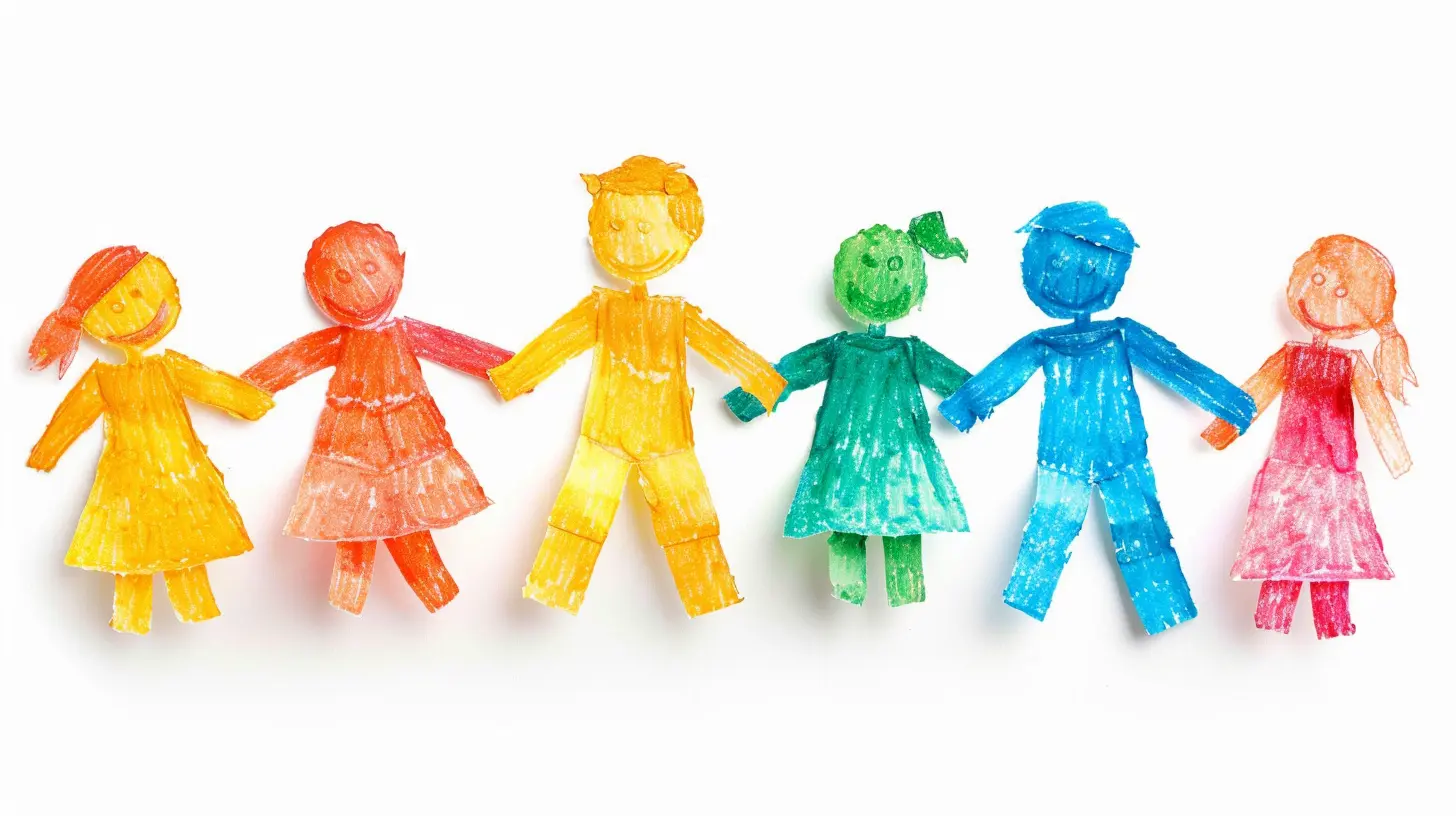
The Benefits of Building a Culture of Active Participation
Why should you pour effort into this? What’s in it for you (and your family)? Well, think about it:- Stronger Communication Skills: When everyone participates, dialogue becomes more natural. Families that talk more tend to fight less.
- Shared Responsibility: A family is a team effort. When everyone pitches in, no single person feels overwhelmed or isolated.
- Better Emotional Bonds: Families that work together create deeper emotional connections. Working toward a common goal? That's where the magic happens.
- Life Skills for Kids: Your kids won’t just learn how to fold laundry or set the table. They’ll carry teamwork and problem-solving skills into adulthood. 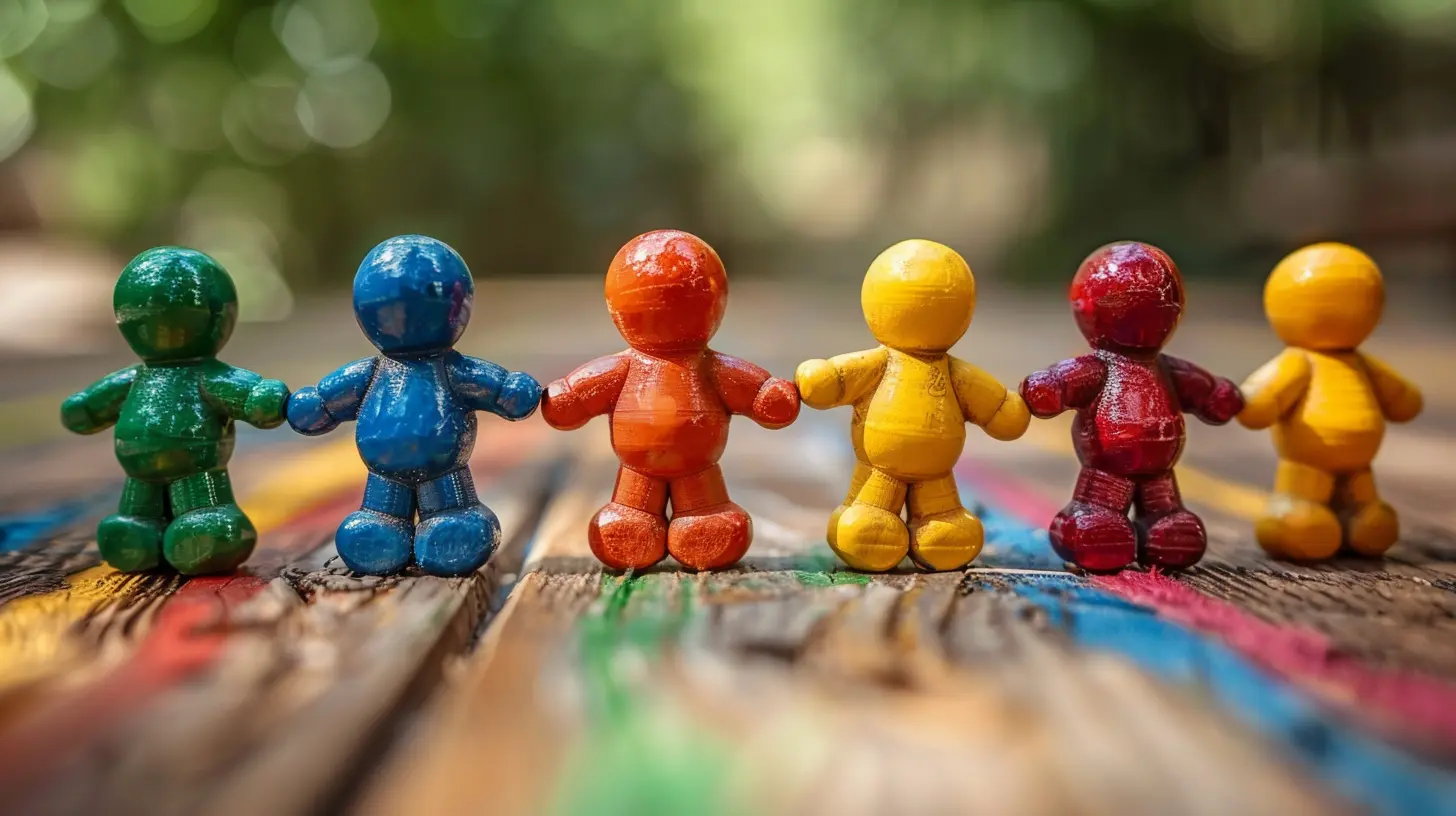
How to Foster Active Participation in Your Family
Getting started doesn’t require some grand, sweeping change. Instead, small, intentional steps can help you cultivate a home environment where everyone feels invited to participate. Let’s break it down.1. Model the Behavior You Want to See
First things first: if you want your family to be engaged, you’ve got to lead by example. Want your kids to help around the house? Show them what it means to take pride in tidying up your own space. Want everyone to feel comfortable sharing their thoughts? Start by listening to them without judgment.Kids are like sponges—they’re soaking up whatever you’re putting out there. If you're modeling active and positive participation, chances are, they’ll follow suit.
2. Make Family Meetings a Thing
Okay, I get it. “Family meeting” sounds a little formal and maybe even a bit cringey. But hear me out! A weekly or bi-weekly sit-down can be a game changer.This doesn’t have to be a corporate-style meeting (nobody wants that). Instead, use it as a way for everyone to share what’s on their mind. It could be as simple as asking:
- What went well this week?
- What could we do better?
- Is there anything anyone needs help with?
Use this time to talk about schedules, big decisions, or even air out minor grievances before they become major drama. It’s like pressing a reset button for the week ahead.
3. Delegate Age-Appropriate Responsibilities
If you’re trying to run the whole household solo, chances are you’re burning yourself out and robbing your kids of helpful life lessons. Delegating tasks isn’t just about lightening your load; it’s about teaching teamwork and responsibility.Got a toddler? Have them help you pick up their toys. Teenager? Encourage them to take charge of dinner one night a week. The key here is to match the task to the person’s capabilities. Not only will this foster independence, but it’ll also remind everyone that their contribution matters.
4. Celebrate Effort, Not Just Results
Remember when you were learning to ride a bike? Someone probably cheered you on every time you made it a few feet without tipping over. That encouragement likely made you want to keep going, even if you weren’t perfect yet.The same principle applies to fostering active participation. Celebrate the effort your family members put in, even if they don’t nail the task perfectly. Your teenager might forget to preheat the oven before cooking dinner. Your toddler might “help” with laundry by unfolding everything you just folded. That’s okay! Praising the effort encourages them to keep trying.
5. Create Shared Family Goals
A family that works toward something together grows together. Maybe you want to save for a vacation or start a new backyard garden. Whatever it is, involve everyone in the process.Set a family goal and brainstorm how each member can contribute. You might find that your kids—once skeptical about “helping out”—become enthusiastic when they feel their work serves a greater purpose.
6. Prioritize Quality Time
All the teamwork in the world won’t mean much if you’re not spending time together. Make room for family dinners, game nights, or weekend outings.If your schedules are chaotic, even 10-15 minutes of intentional, focused time (like chatting during bedtime or sharing breakfast) can make a big difference.
Quality time reinforces the idea that your family is more than just individuals living under the same roof—you’re a unit.
7. Encourage Open Communication
No one wants to feel like their voice doesn’t matter. Encourage your kids to share their thoughts, wants, and needs without fear of being dismissed.A great way to do this is by practicing active listening. When your child or partner speaks, don’t just wait for your turn to talk. Really hear them out.
And here’s the kicker: when someone makes a suggestion, consider acting on it—even if it’s small. That simple act tells them their input is valued.
8. Make It Fun!
Let’s face it—nobody wants to feel like participating in family activities is a chore. Make it fun by turning small tasks into games, adding music to cleanup time, or introducing family challenges.For example, if you’re trying to cook dinner together, why not pretend you’re on a cooking show? Or if you’re tackling a household project, let your kids pick a fun name for your “team.”
Participation doesn’t have to feel like work. The more enjoyable it is, the more likely everyone will want to join in. 
When It Doesn’t Go as Planned
Look, no family is perfect. There will be days when your teenager rolls their eyes at the idea of a family game night or your toddler decides that helping is overrated. That’s normal!The goal isn’t perfection; it’s progress. Keep showing up, keep encouraging, and keep fostering a sense of togetherness. Over time, those small efforts will add up to something amazing.
Wrapping It All Up
Building a family culture of active participation is about finding ways for everyone to feel connected, valued, and involved. It’s not about being perfect or having a Pinterest-worthy household. It’s about creating a place where everyone feels they truly belong.By modeling the behavior you want to see, encouraging open communication, and making participation fun, you’ll set the stage for a happier, more connected family. And guess what? Those little moments of teamwork and connection? They’re the memories your kids will carry with them forever.
So, let’s start small. Whether it’s a family dinner, game night, or simply asking your kids for input on the weekend plans, every step you take brings your family closer to that culture of active participation.
all images in this post were generated using AI tools
Category:
Parental InvolvementAuthor:

Tara Henson
Discussion
rate this article
1 comments
Paula Yates
In the tapestry of family life, each thread tells a story. Encourage laughter, share chores, and ignite curiosity together. With open hearts and hands, build a vibrant culture where every voice matters, and every moment shared becomes a cherished memory to hold.
June 7, 2026 at 3:57 AM
Tara Henson
Absolutely! Every moment counts in building a connected family. Let's cherish those shared experiences and create lasting memories together.