How to Introduce Multilingual Books to Young Readers
12 August 2026
Raising little bookworms in today’s globalized world is like giving your kids a passport to different cultures and languages—without leaving your living room. Introducing multilingual books to young readers is one of the most rewarding gifts you can offer. It’s not just about teaching them a new language; it’s about shaping their understanding of the world, broadening their cultural awareness, and, let’s face it, preparing them to dominate trivia night someday.
But let’s be honest: diving into multilingual books with your child can feel a bit intimidating. If you’re scratching your head wondering how to start, don’t worry—you’re not alone. This guide will walk you through the hows, whys, and everything in-between to make multilingual books a fun and seamless part of your child’s reading journey.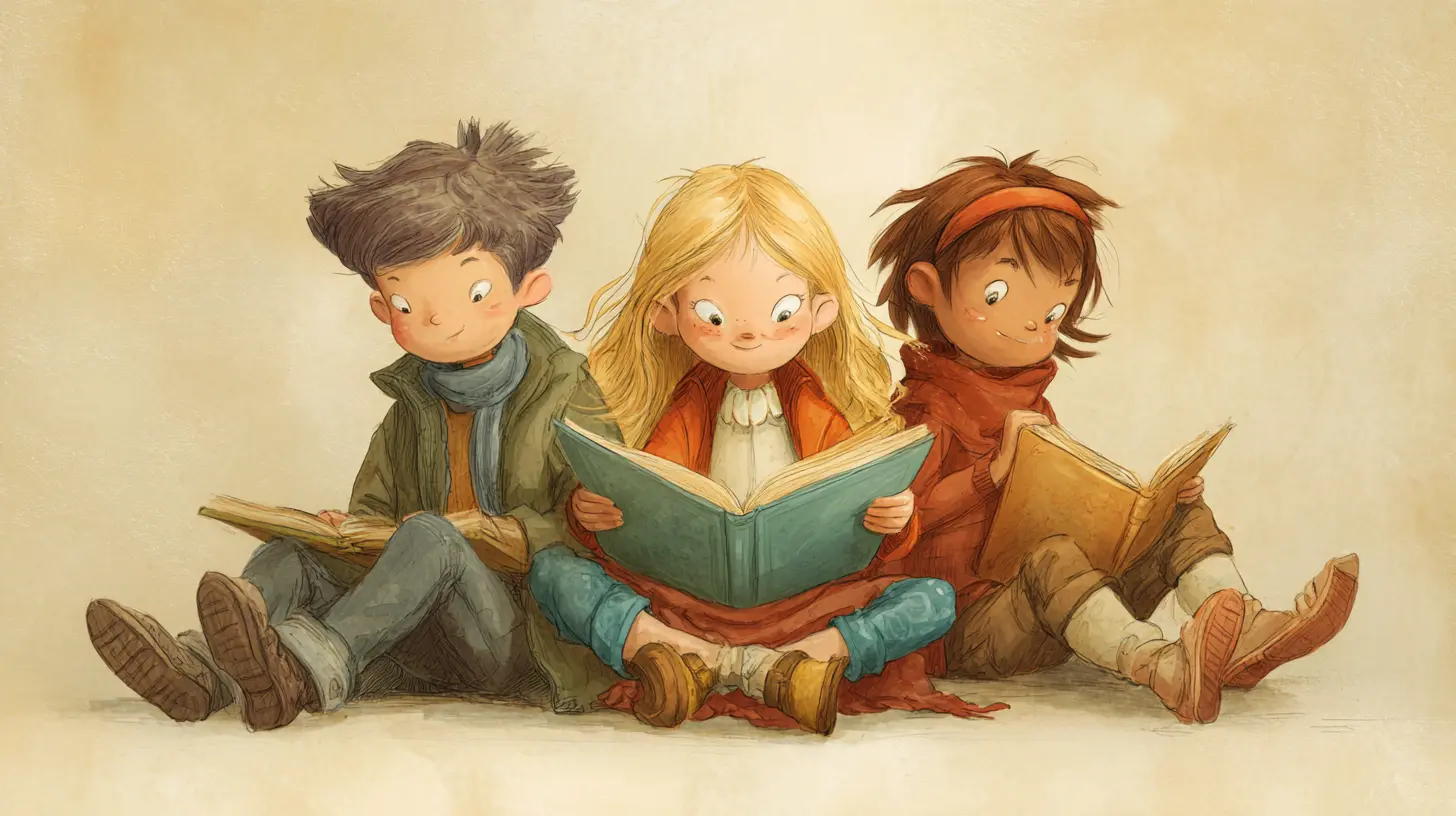
Why Introduce Multilingual Books to Young Readers?
First, let’s talk about the “why.” Why should you even consider introducing multilingual books to your child? After all, English is already a global language, right? Well, let me hit you with some solid reasons.1. Boosts Cognitive Skills
Research shows that being bilingual or multilingual improves kids’ brainpower. Yup, reading in multiple languages isn’t just a “nice-to-have”—it’s a full-on brain gym. It enhances problem-solving, memory, and even multitasking skills. (So, yes, your 5-year-old could eventually be better at adulting than you are!)2. Encourages Cultural Appreciation
Multilingual books expose children to stories, traditions, and perspectives they might not encounter in their day-to-day lives. These books become little time machines or magic carpets, helping kids understand and appreciate diversity at an early age.3. Strengthens Language Skills
Even if your child isn’t actively learning another language, exposure to multilingual text helps them tune their ear and sharpen their understanding of how language works. For kids already learning a second language, these books reinforce vocabulary and grammar in a fun, natural way.4. It’s Just Plain Fun
Kids are naturally curious. Imagine their excitement when they unlock a new language or discover that “chat” means cat in French. It’s like giving them a secret decoder ring!
How to Get Started with Multilingual Books
Okay, so you’re sold on the benefits. But how do you actually start introducing multilingual books without overwhelming your little reader (or yourself)? Here’s a roadmap to help you navigate this exciting journey.1. Start with Their Interests
Kids love what they love. Are they obsessed with dinosaurs? Unicorns? Robots? Find multilingual books that match their passions. If your child already loves a story in English, look for a bilingual or translated version of it. Familiarity can make the leap to another language so much smoother.You could say it’s like sneaking vegetables into their favorite pasta sauce—they won’t even notice they’re learning something new.
2. Choose the Right Type of Multilingual Book
There’s no “one size fits all” when it comes to multilingual books. Here are a few options to consider:- Bilingual Books: These books feature text in two languages on the same page or opposite pages. Perfect for side-by-side comparisons.
- Translated Books: These are familiar books translated into another language. Think The Very Hungry Caterpillar but en Français!
- Original Multilingual Texts: Stories written in multiple languages from the ground up. These often incorporate cultural elements, making them particularly rich.
3. Read Together (Even If You Don’t Speak the Language)
You might be thinking, “But I barely passed high school Spanish!” No worries. You don’t need to be fluent to enjoy multilingual books with your kids. Here’s the trick: focus on the experience, not perfection.Try these approaches:
- Read the parts you’re comfortable with and let your child explore the rest.
- Use translation apps or YouTube videos for pronunciation help.
- Treat it like an adventure. Storytime becomes a collaborative learning moment rather than “mom or dad knows everything.”
4. Create a Language-Rich Environment
You know how kids get hooked on catchy songs or phrases because they hear them repeatedly? Use that same magic! Surround your child with opportunities to interact with the new language. Complement multilingual books with posters, flashcards, or even songs in that language. The more exposure, the better.5. Incorporate Multilingual Books into Daily Routines
Routine is magic when it comes to kids. Introducing multilingual books doesn’t have to be a big production—just slip them into your daily grind. Read one during bedtime, snack breaks, or lazy Sunday afternoons. The more casual and integrated it feels, the less it’ll come across as “another lesson.”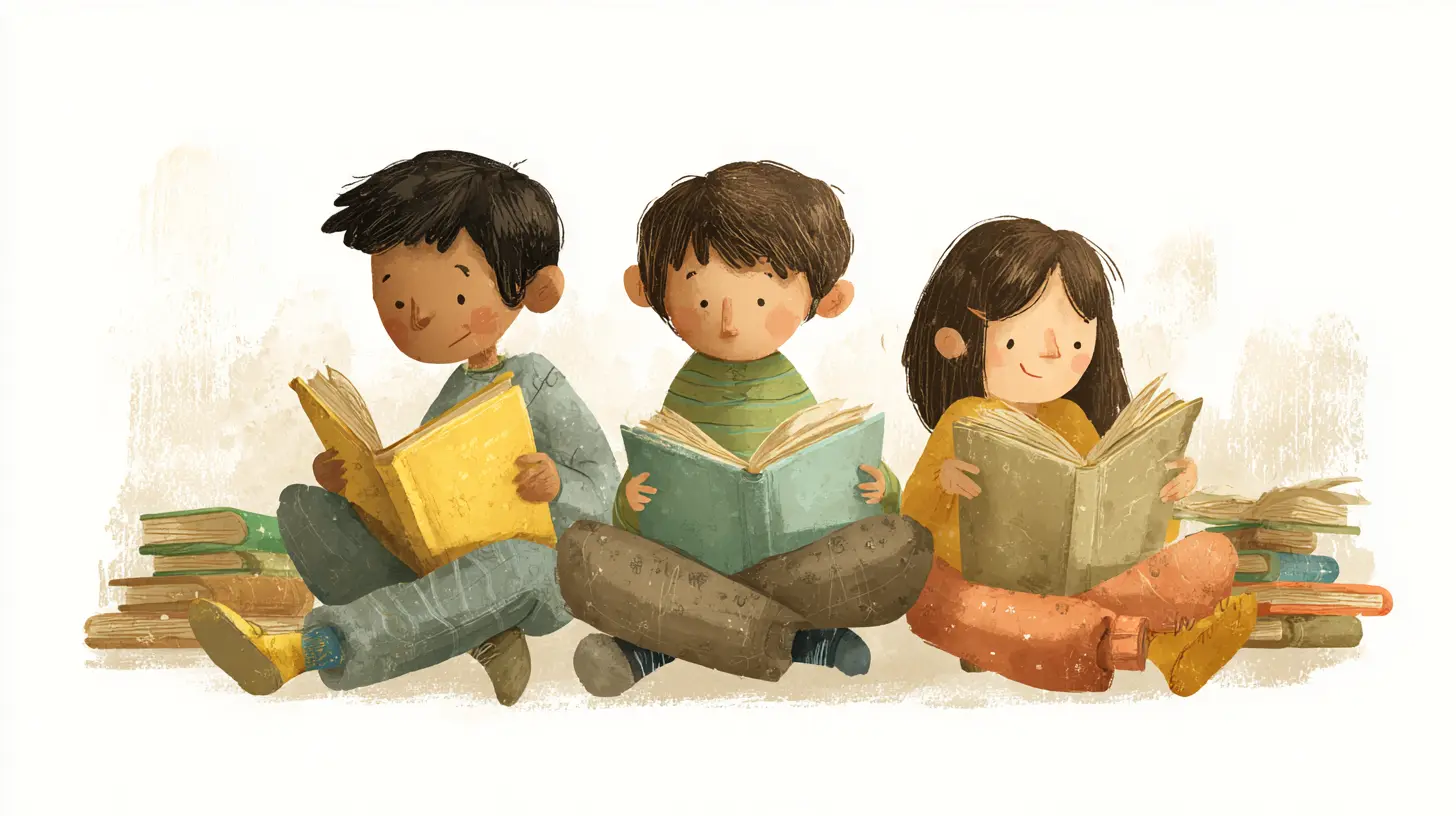
Tips to Keep It Fun and Engaging
Now that you’ve got the basics down, let’s spruce it up! Here are practical (and let’s be real, sanity-saving) tips to keep the experience enjoyable:1. Make It Interactive
Kids love interaction. Not just listening to a story but being a part of it. Turn reading into a game:- Let them guess what a word means based on the illustrations.
- Have them mimic funny-sounding words or phrases.
- Create flashcards from the book’s vocabulary and play a matching game.
2. Celebrate Little Wins
Did your child recognize a word they saw in a story? Did they use a phrase from the book in real life? Celebrate it! A little positive reinforcement goes a long way in building confidence and enthusiasm.3. Involve the Whole Family
Make multilingual reading a family affair. Siblings can read to each other, grandparents can share stories from their heritage, or the whole family can try translating a funny phrase together. It’s a bonding experience, not just educational.4. Use Props and Activities
Why stop at reading? Pair the book with a hands-on activity. If you’re reading a Spanish book about cooking, maybe make a simple recipe together. If it’s a story from Japan, try origami. Props and activities breathe life into the story and create lasting memories.
Common Challenges and How to Overcome Them
Alright, time for real talk. Introducing multilingual books isn’t always smooth sailing. You might hit a few bumps, but here’s how to navigate them.1. “My Kid Loses Interest Quickly… Help!”
Kids have the attention span of a goldfish sometimes—it’s normal. Choose shorter or engaging books with vivid illustrations. You might also rotate multilingual books with their usual suspects to keep things fresh.2. “I’m Not Fluent in the Language”
No stress! Use the book as a learning opportunity for both of you. Look up words together. Remember, your enthusiasm matters more than your fluency.3. “Where Do I Even Find These Books?”
Your local library is a treasure trove. If you strike out there, check online retailers or specialty bookstores. Some publishers even focus exclusively on multilingual children’s books (hellooo, lifesaver!).Long-Term Benefits: Why It’s Totally Worth It
Let’s circle back to the big picture. Yes, introducing multilingual books might take a little effort, but the payoff? Totally worth it. You’re raising a resilient, empathetic, and culturally aware human being with a skill set that will serve them for life.Whether your goal is to help them get in touch with family roots, prepare them for future opportunities, or just have fun exploring languages, incorporating multilingual books into their lives is like planting seeds that will grow into a lifelong love of learning.
Final Thoughts
Introducing multilingual books to young readers is less about “getting it right” and more about enjoying the journey. Think of it like teaching a child to ride a bike—there will be wobbles, maybe some scraped knees, but eventually, they’ll take off. And when they do? The places they’ll go (and read about!) will be limitless.So go ahead, pick up that bilingual storybook about a curious fox who speaks Spanish—or whichever language sparks joy—and enjoy every twist and turn of the adventure.
all images in this post were generated using AI tools
Category:
Childrens BooksAuthor:

Tara Henson