How to Manage Baby's Screen Time
14 July 2026
Let’s be honest—screens are everywhere. Whether it’s a smartphone, tablet, TV, or even a smartwatch, they seem to sneak into every room and moment of our daily lives. And if you're a parent, you’ve probably caught your baby mesmerized by the glowing screen more than once.
But here’s the million-dollar question: How much screen time is too much for your baby? And how do you even begin to manage it without going totally off-grid?
In this article, we’re going to tackle all things baby screen time—why it matters, what the experts say, and how you can take control in a world that’s constantly connected. Ready to dive in? Let’s do this together.
Why Baby Screen Time Even Matters
Before we talk strategies, let’s take a step back and understand why managing screen time for babies is such a big deal.It’s Not Just About What They Watch
When most people talk about screen time, they think about the content. Cartoons, nursery rhymes, baby shows—you name it. But for babies, it's about more than what they watch; it's about how it affects their brain development, social skills, and physical health.Babies learn by doing. They explore the world through touch, hearing, sights, and smells. Every time your baby grabs a rattle or tries to wobble upright, their brain lights up like a Christmas tree. But when they’re passively watching a screen? Not so much.
The Science Behind It
The American Academy of Pediatrics (AAP) recommends avoiding screen time for babies under 18 months, except for video chatting. For children aged 18 to 24 months, they suggest limited, high-quality content with a caregiver watching along.Why the caution? Because too much screen time in those early years has been linked to:
- Delayed speech development
- Sleep disturbances
- Attention problems
- Decreased parent-child interaction
That doesn’t mean a few minutes here and there is going to hurt your baby, but moderation is key.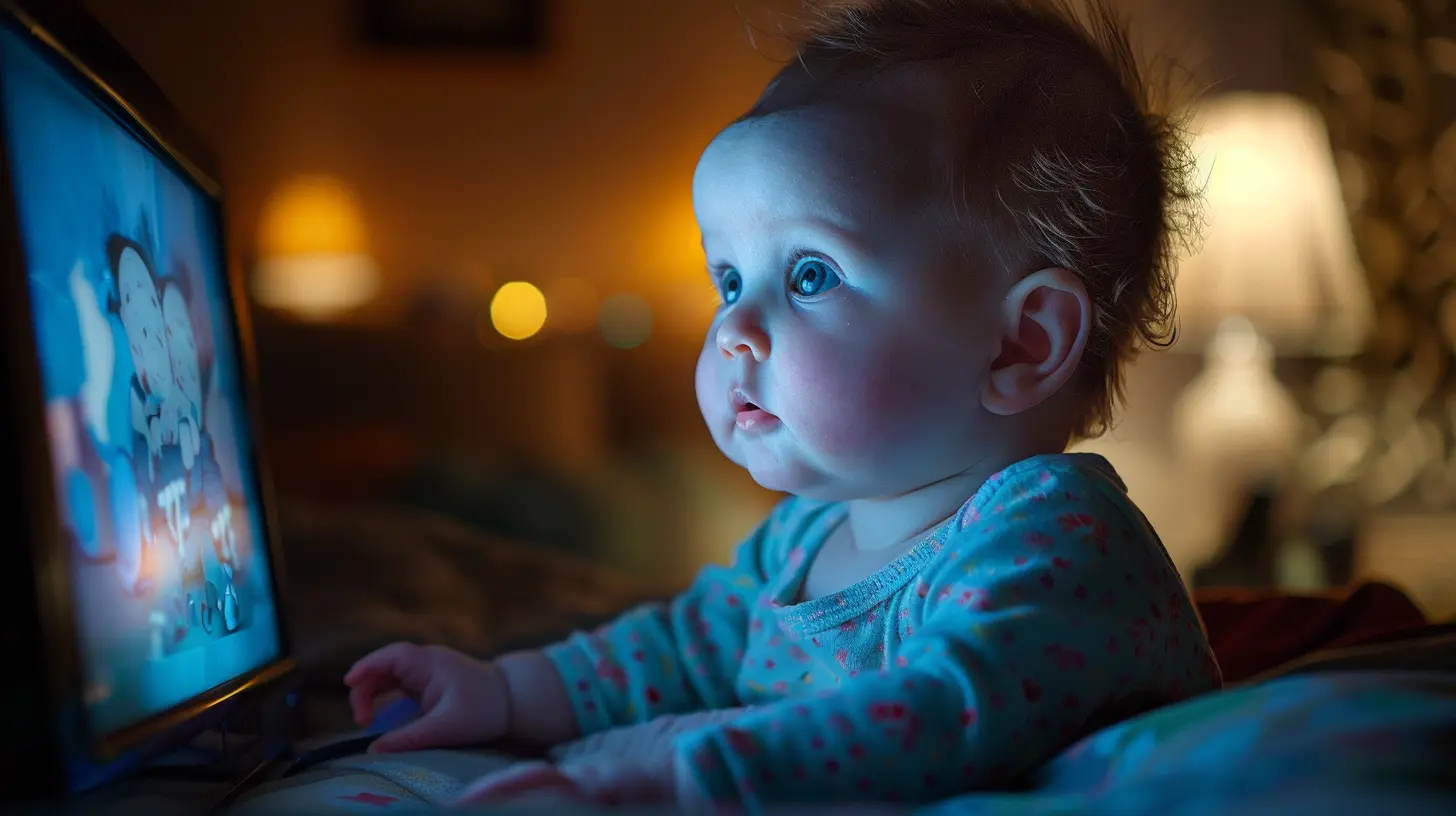
Common Reasons Parents Hand Over the Screen
Let’s keep it real: life with a baby is exhausting. Sometimes, plopping the little one in front of a screen feels like the only way you can cook dinner, have a shower, or take five deep breaths in peace.And you know what? That’s okay. You’re human.
Here are a few common reasons parents hand over a screen:
- To calm a fussy baby
- To keep them entertained while doing chores
- To distract them in public places (restaurants, doctor’s offices, etc.)
- Because everyone else is doing it
Understanding the why can help you come up with alternatives that still give you a break—without relying on screens.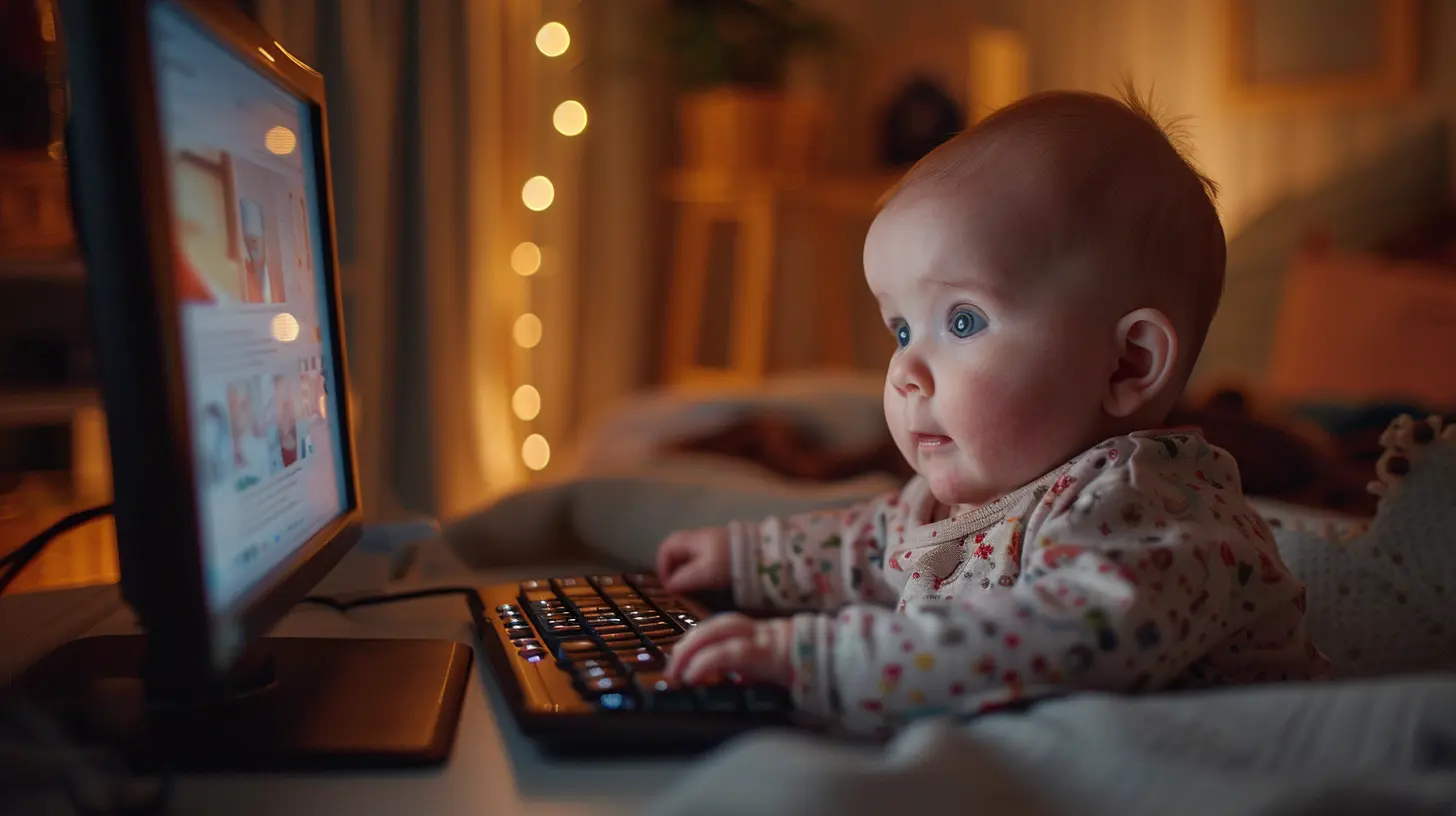
Smart Tips to Manage Baby's Screen Time
Now let’s talk solutions. Managing your baby’s screen time doesn’t have to be a dramatic, all-or-nothing overhaul. Little changes make big differences. Here’s how to start:1. Set Clear Limits Early On
Babies understand more than we give them credit for. If you consistently set boundaries from the beginning, it becomes part of their routine. No screen in the morning? That’s just how it is.Pro Tip: Make certain areas of your home screen-free zones—like the dining table or the nursery. This helps set the tone naturally.
2. Lead by Example
Babies are like tiny paparazzi—they’re always watching. If you’re glued to your phone all day, they’ll take notice.Try reducing your own screen time, especially when you're with your baby. Engage with them. Get down on the floor, make silly faces, talk (even if they don’t talk back yet). Real-life interactions are better than anything digital.
3. Create a “Watch Together” Rule
If you do decide to allow screen time, sit with your baby. Engage with what they’re watching. Point things out, name animals, sing along. This helps turn passive watching into a learning experience.Think of it like reading a book together—it’s not just about the story, it’s about the connection.
4. Choose High-Quality, Age-Appropriate Content
Not all screen content is created equal. Stick to slow-paced, simple programs with clear visuals and language. Avoid anything fast or overstimulating.A few trustworthy sources for baby-friendly content include:
- PBS Kids
- Sesame Street
- Baby Einstein (for limited use)
- National Geographic Kids (for toddlers)
5. Use Screens Sparingly as a Tool
There’s no shame in using a 10-minute video to get through a meltdown at the grocery store. But don’t let it become your go-to strategy.Consider other soothing options:
- Music (try lullabies or white noise)
- Rattles or soft toys
- Bubbles (yep—magic in a bottle)
- Visuals like picture books or board books
6. Prioritize Interactive Play
When in doubt, choose play over screen time. Play is your baby’s superpower. It helps with cognitive growth, fine motor skills, and social development.No need for fancy toys. Pots and pans from the kitchen? Instant drum set. A scarf or blanket? Peekaboo masterpiece.
7. Make Room for Boredom
This might sound strange, but boredom is actually good for babies. It encourages creativity and independence. If you always jump in with entertainment, they don’t get the chance to figure things out on their own.Let them explore. Let them tinker. Let them stare out the window in wonder.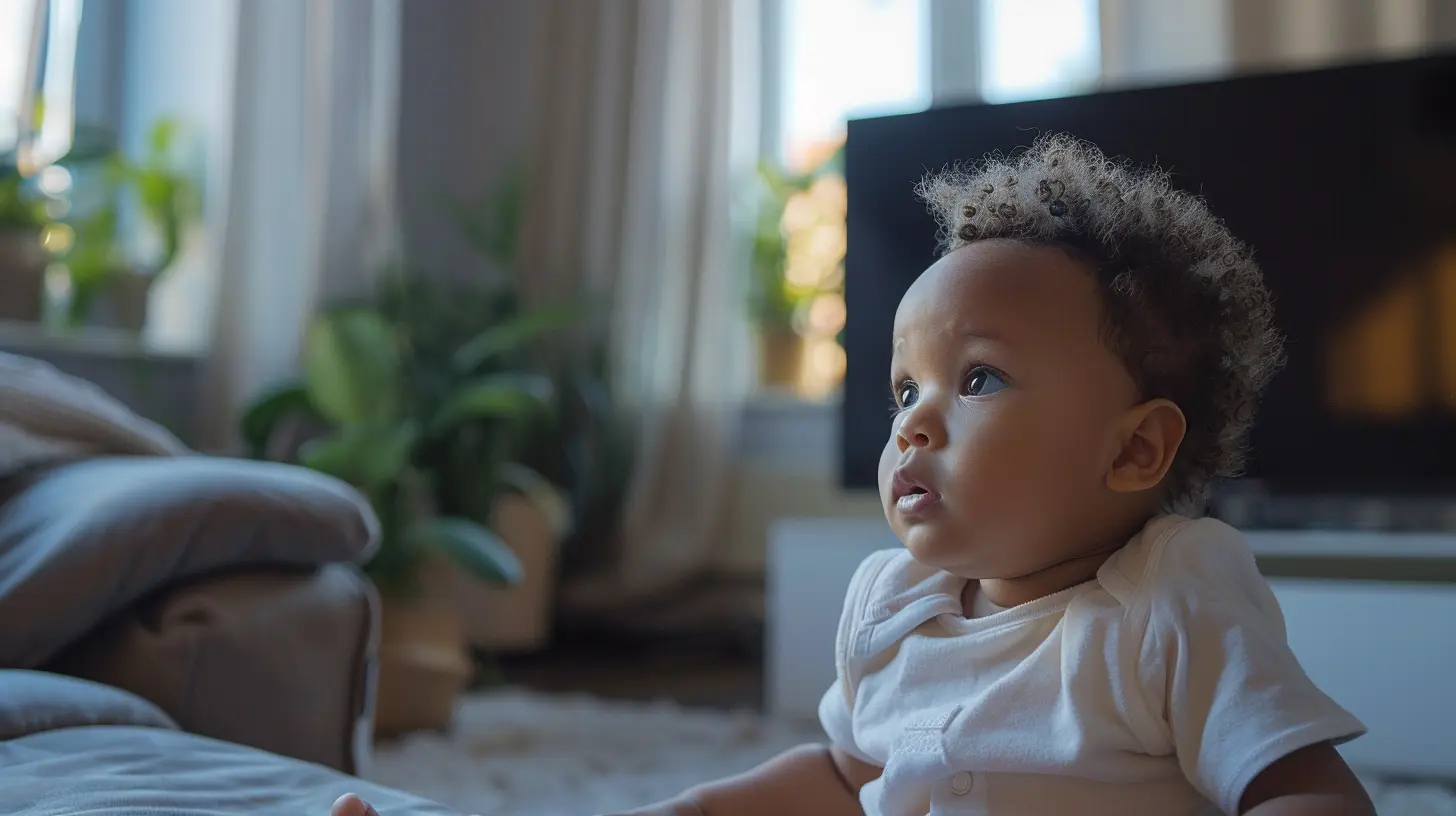
Balancing Reality with Ideal Parenting
Let’s be honest: parenting isn’t a clean, color-coded schedule. It’s messy, unpredictable, and sometimes downright chaotic. And while the idea of raising a completely screen-free child sounds noble, it’s not always practical.What matters most is balance.
If your baby watched 20 minutes of a cartoon today so you could shower and answer emails—you're not failing. You're surviving. And you're doing a great job.
The goal isn’t perfection. It’s being present, intentional, and doing what’s best for your baby and your sanity.
Plan a Weekly Screen Schedule (Yes, Even for Babies)
If you’re the kind of person who likes structure (and let’s face it, babies do too), plan out a flexible weekly screen schedule.Something like:
- Monday to Friday: No screen time (except for emergencies)
- Saturday and Sunday Morning: 10–15 mins of co-watching an educational show
- Video calls with grandma: 1–2 times a week
Having a plan keeps you from falling into autopilot mode and reaching for the screen out of habit.
Screen-Free Alternatives for Every Situation
Looking for screen-free ways to keep your baby happy? Here are some sanity-saving ideas:Mealtime:
- Give them a thick spoon or baby-safe items to “practice” eating.- Use suction toys that stick to the high chair.
Car Rides:
- Put on calming music.- Use soft hanging toys or colorful car-seat mirrors.
Waiting Rooms:
- Bring board books or felt toys.- Let them play with a zipper pouch filled with textured items.
Cooking Time:
- Set them up in a baby seat nearby with safe kitchen tools.- Narrate what you're doing: “Mommy’s chopping carrots! They’re orange and crunchy.”
You get the idea—life doesn’t have to stop, but it also doesn’t have to revolve around a screen.
The Bottom Line
Managing your baby's screen time is all about balance, intention, and connection. It’s not about guilt or judgment; it’s about making the best decisions for your family.Remember, you’re laying the foundation for your child’s relationship with technology. And it starts right now, when they’re small enough to still fit in your arms.
So, take a breath. Take the screen away (sometimes). And trust yourself—you’ve got this.
all images in this post were generated using AI tools
Category:
Baby CareAuthor:

Tara Henson