How to Raise Curious Learners in 2026 and Beyond
20 April 2026
Remember that feeling? The wide-eyed wonder of a toddler turning over a rock just to see what’s underneath? That’s the engine of curiosity—pure, unfiltered, and powerful. As parents, we watch that natural spark dim a little with each passing year, often replaced by the pressure of schedules, screens, and standardized expectations. But here’s the exciting part: the world of 2026 and beyond isn’t just going to allow for curious kids; it’s going to demand them. We’re not preparing our children for a static world of known answers. We’re launching them into a dynamic universe of unknown questions. So, how do we fan that initial spark into a lifelong flame? Let’s talk about it.
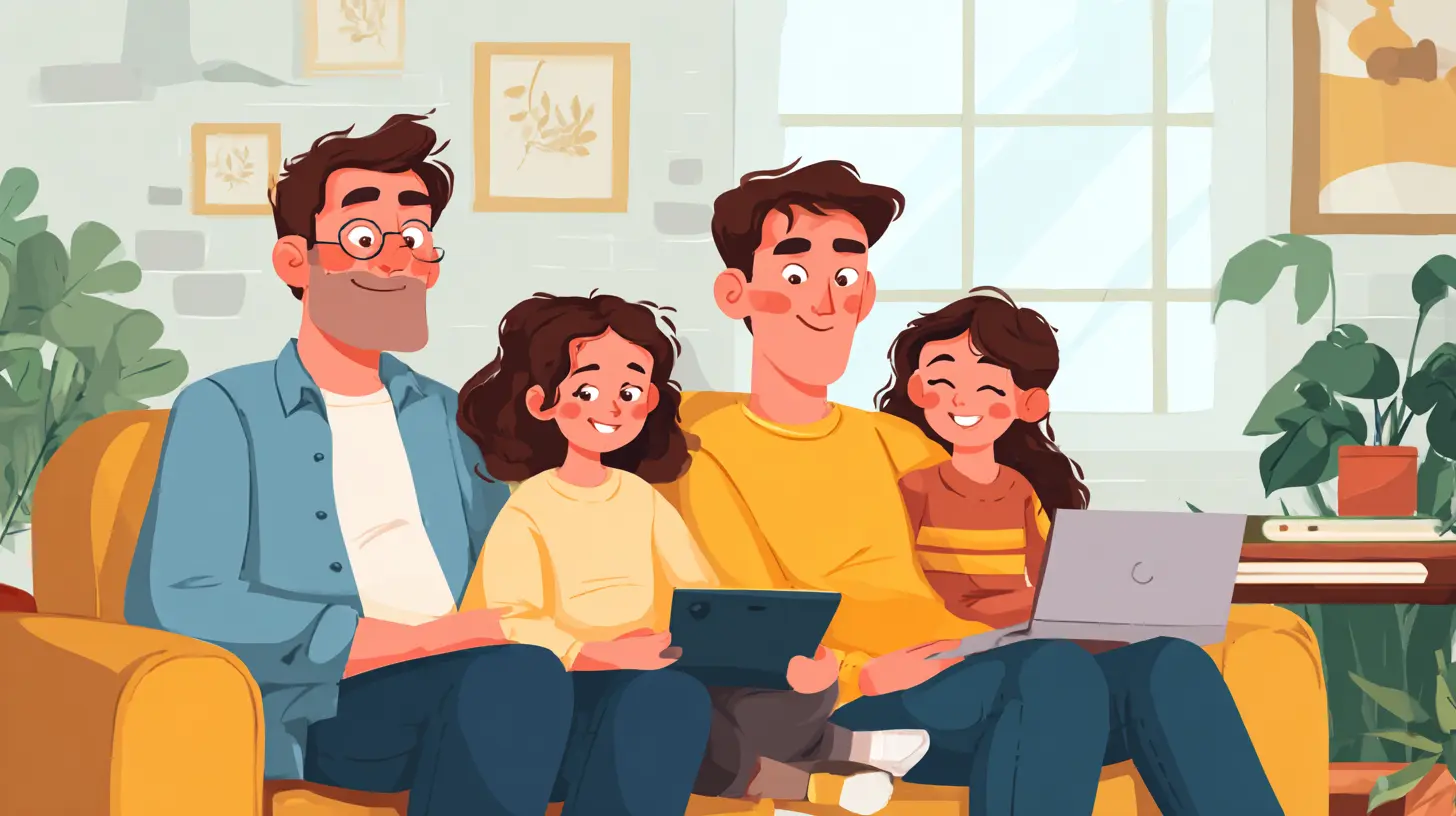
Why Curiosity Isn't Just Child's Play Anymore
Think of curiosity less as a cute personality trait and more as the ultimate survival skill for the 21st century. We’re living in the middle of an information explosion. Facts? They’re a commodity, available to anyone with a smartphone in half a second. What’s priceless now is the ability to ask the right questions, to connect disparate ideas, and to navigate ambiguity without freezing up.The jobs of tomorrow—many of which haven’t even been invented yet—won’t go to the people who can memorize the manual. They’ll go to the innovators, the problem-finders (not just problem-solvers), and the resilient learners who aren’t afraid to say, “I don’t know, but I’m excited to figure it out.” Raising a curious learner is about building an agile mind. It’s the difference between giving your child a map of a city and teaching them how to be an explorer who can thrive in any terrain, even ones that haven’t been mapped yet.
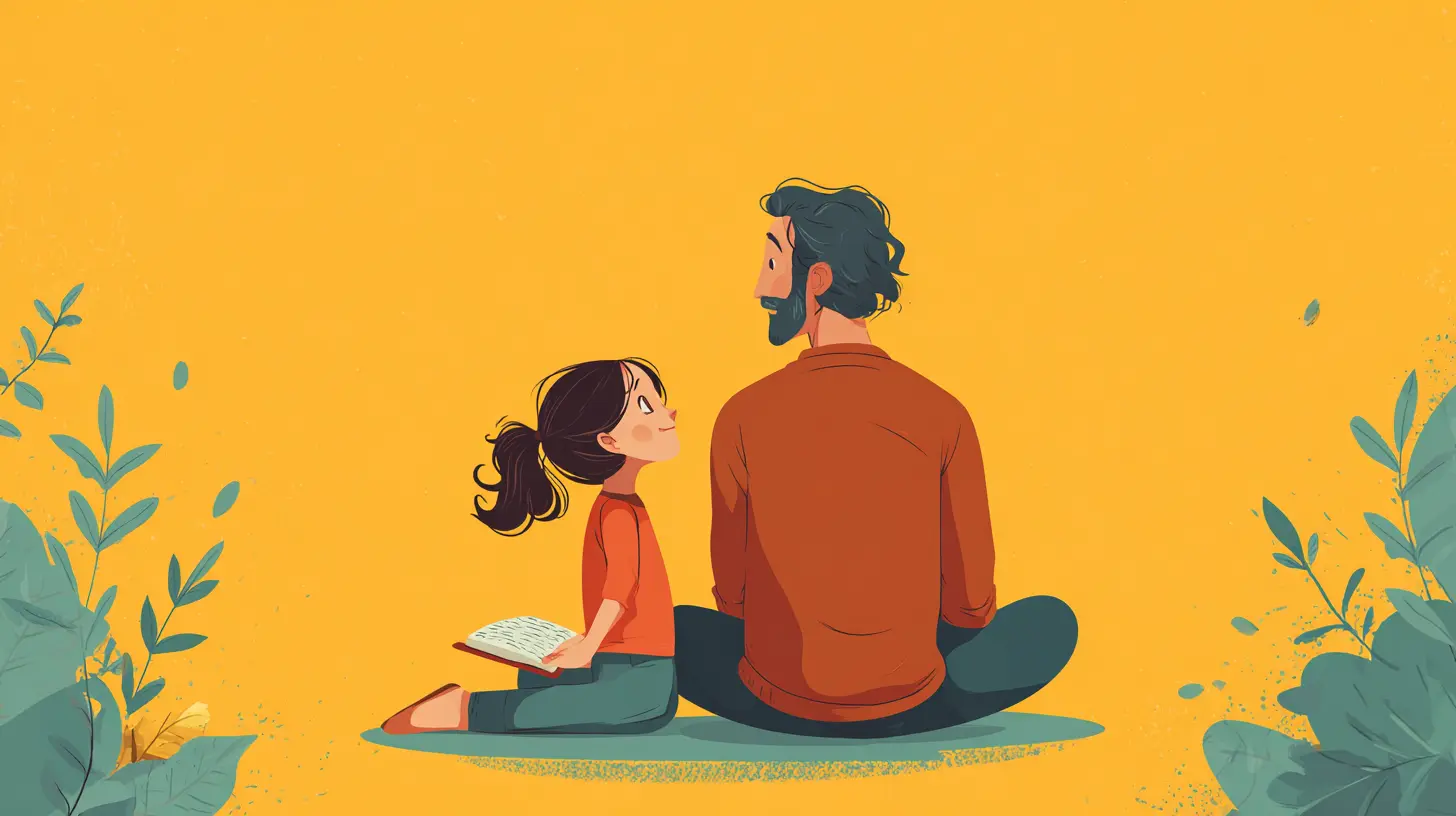
The 2026 Parenting Toolkit: Beyond Flashcards and Drills
Gone are the days when “enrichment” meant an extra workbook. The toolkit for raising curious learners is less about stuff and more about stance. It’s about the environment we create and the conversations we have.
1. Become the Chief "Question Asker," Not Just the Answer Key
Our instinct is to have all the answers. It makes us feel capable and helpful. But what if we shifted that role? Instead of being the Wikipedia-on-legs, practice responding with questions of your own.Your child asks, “Why is the sky blue?” You could give the Rayleigh scattering explanation (if you remember it!). Or you could say, “That’s a fantastic question. What do you* think? And how could we find out together?”
This does two magical things. First, it values the process of questioning over the quick answer. Second, it models that not knowing is the starting line for discovery, not a failure. You’re showing them how a curious mind works: it questions, hypothesizes, and investigates.
2. Design a "Yes, And..." Environment at Home
Improv comedians live by the rule of “Yes, And…”—they accept what’s given and build upon it. Our homes need to be “Yes, And…” zones. This doesn’t mean a free-for-all with no rules. It means creating physical and psychological space where ideas can be toyed with safely.* Physically: Have a “tinkering table” with recycled materials, tape, and glue. Let a corner of the garden be a “mud-and-bug investigation lab.” Keep interesting books, magazines, and even weird artifacts (an old rotary phone, a fascinating rock) within reach.
Psychologically: When your kid proposes building a fort out of every cushion in the house, your first response shouldn’t be “What a mess!” Try, “Yes, that sounds like an awesome castle! And what will we use for a drawbridge?” You’re validating the creative impulse and* guiding it. The mess is temporary; the confidence to initiate a project is permanent.
3. Embrace (and Navigate) the Digital Sandbox
Let’s be real. The future is digital-hybrid. Banning screens isn’t preparing kids for 2026; it’s leaving them unprepared. The key is to move from being a gatekeeper to a guide. Curiosity can thrive online if we’re intentional.* Go Down Rabbit Holes Together: Watch a video about how bridges are built. Then use an app to design your own. Follow a YouTube channel of a scientist doing cool experiments and try a safe one at home.
Teach Digital Skepticism: Curiosity in the digital age must be paired with critical thinking. Ask, “Who made this game? What do they want you to do? How does it make you feel?” Show them how to fact-check a wild “did you know?” fact. You’re teaching them to be curious about* the digital world itself, not just passive consumers of it.
4. Redefine "Failure" as Data Collection
This might be the hardest shift for us as parents. We’ve been conditioned to see mistakes as red marks to be avoided. For a curious learner, a failed experiment isn’t a failure; it’s a data point. It’s the universe saying, “Okay, that path doesn’t work. Try another.”When the baking soda volcano flops, or the Lego tower collapses for the third time, the language we use is everything. Ditch the “Oh, that’s too bad.” Try: “Fascinating! What did we learn from that? What do you want to change for next time?” You’re building intellectual resilience. A curious mind that isn’t afraid of being wrong is an unstoppable mind.
5. Prioritize Boredom (It's the Incubator for Ideas)
We have a primal urge to fill every gap in our kids’ schedules. Music lesson, soccer practice, coding club—all great! But unscheduled, unplugged, boring time is not the enemy. It’s the fertile ground where curiosity sprouts from within.Boredom is the uncomfortable space where a child has to confront their own imagination. Out of that void comes the desire to build, to read, to draw, to go outside and see what the ants are doing today. Don’t rush to solve it. Let them marinate in it. Some of the most profound curiosities are born from the simple statement, “I’m bored.”

Looking Ahead: The Curious Learner in a Changing World
As we move toward 2026, trends like AI, virtual reality, and global connectivity will only accelerate. Your child’s curiosity will be their compass in this landscape.With AI: They’ll need the curiosity to ask the insightful questions that the AI can then help solve. They’ll need to be curious about the ethics and biases within* the AI itself.
* With Global Challenges: Issues like climate change or public health won’t be solved by rote learning. They’ll be solved by curious, interdisciplinary minds who can connect environmental science with economics, politics, and human behavior.
Raising a curious learner isn’t about adding one more thing to your parenting to-do list. It’s about a subtle shift in perspective. It’s trading the role of director for the role of fellow explorer. It’s looking at the world through a lens of “I wonder…” and letting your child see you do it.
So, the next time your kid asks a “silly” question, or makes a mess in the name of an experiment, or stares out the window seeming to do “nothing,” take a breath. See it for what it is: the beautiful, essential, and future-proof work of a curious mind under construction. And know that by protecting that space, you’re giving them the greatest tool they could possibly have for 2026, and for all the unknown years that follow.
all images in this post were generated using AI tools
Category:
Parenting And LearningAuthor:

Tara Henson
Discussion
rate this article
2 comments
Rivenheart Harris
Love this insightful guide!
April 27, 2026 at 2:51 AM
Tara Henson
Thank you! I'm glad you found it helpful.
Valentina Yates
In a world where knowledge is a click away, nurturing curiosity might be our greatest challenge. What if the key lies not in answers, but in questions? As we step into 2026, let’s explore the uncharted realms of learning—where imagination meets inquiry, and every moment sparks a new adventure.
April 22, 2026 at 3:31 AM
Tara Henson
Absolutely! Encouraging questions fuels exploration and creativity. Let's make curiosity the heart of learning.