How to Set Healthy Boundaries Without Losing Connection
31 January 2026
Setting boundaries as a parent can feel like walking a tightrope — you want to be loving and available, but you also need your space and peace of mind. Sound familiar?
Let’s face it, raising kids is no easy task. Add in the constant demand to be emotionally present while trying to maintain your own sanity, and suddenly the idea of setting limits feels overwhelming. But here's the truth: healthy boundaries don’t push love away — they make it stronger.
If you’ve ever whispered to yourself, “I just need five minutes to breathe” or felt guilty for saying “no” to yet another high-energy game of tag, this one’s for you. Let’s talk about how to set healthy boundaries without losing connection — with your kids, your partner, and most importantly, yourself.
Why Boundaries Are Crucial for Healthy Relationships
Imagine living in a house with no walls. You’re all huddled in a room together with no space to rest, think, or just be. Sounds chaotic, right? Boundaries are like the walls in your emotional house — they provide structure, safety, and a place to breathe.In families, boundaries help:
- Teach respect and responsibility
- Foster independence and self-worth
- Prevent burnout (hello, emotional exhaustion!)
- Strengthen trust and emotional connection
You might worry that boundaries will create distance, but they actually do the opposite. They allow healthy connection to grow freely, without resentment or overwhelm.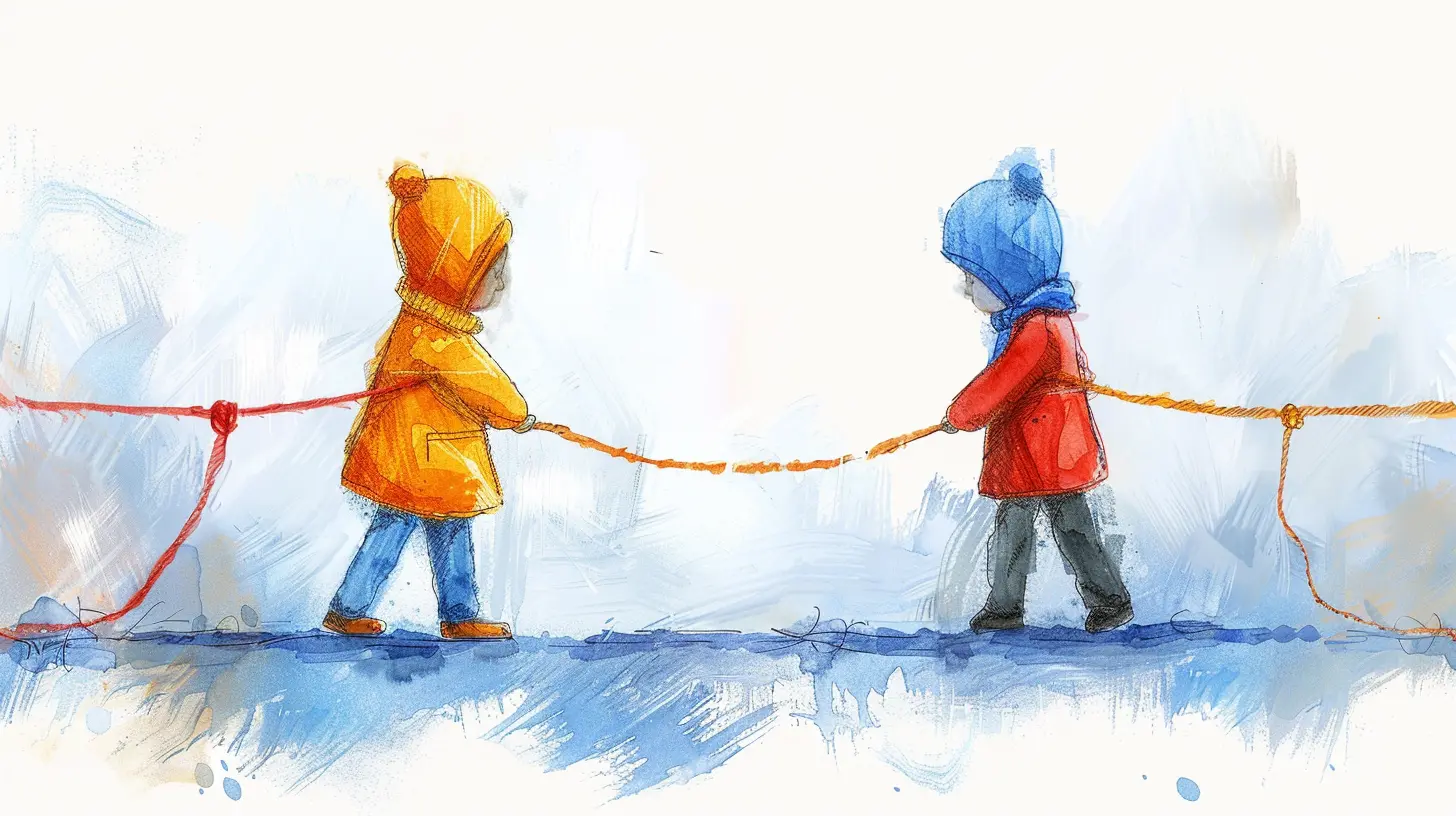
The Biggest Misunderstanding About Boundaries
Let’s get one thing straight: boundaries aren’t walls to keep others out — they’re bridges that help us meet in the middle.A lot of parents hesitate to set limits because they fear it will hurt their relationship with their child. They imagine tears, guilt, or a meltdown (sometimes theirs!). But the truth is, kids actually need boundaries in order to feel safe.
When you set a firm yet loving limit, you’re showing your child that you:
- Care enough to protect their wellbeing
- Respect yourself and your role as a parent
- Trust them to manage disappointment and grow
So no, boundaries aren’t mean. They're magic.
Step-by-Step: How to Set Healthy Boundaries Without Losing Connection
Let’s walk through some practical steps that don’t just work — they feel good, too.1. Get Clear on Your Own Needs
Before you can communicate any boundary, you’ve got to know what you need. That starts with tuning into yourself.Ask yourself:
- What triggers my overwhelm?
- When do I feel most drained or resentful?
- Where do I need more space or structure?
Maybe it’s needing quiet after a long workday, or not being okay with interruptions during your morning coffee. Identifying your unmet needs is the first step toward creating a boundary that feels aligned — not forced.
> Think of it like putting on your oxygen mask first. You can’t help others if you’re gasping for air.
2. Set Boundaries From a Place of Love, Not Control
When we’re tired or stressed, it’s easy to snap and lay down rules with a "because I said so!" attitude. But boundaries set from frustration often build walls instead of bridges.Instead, try to approach boundaries with warmth and clarity.
Example:
Instead of saying, “Stop bothering me when I’m working!”
Try: “I love spending time with you and I need to finish my work so I can be fully present with you later.”
Feel the difference?
Boundaries rooted in love create understanding, not shutdowns.
3. Use “I” Statements to Communicate Clearly
This one’s a classic for a reason. Communicating boundaries using “I” statements keeps things respectful and prevents blame.Try these templates:
- “I feel ___ when ___, so I need ___.”
- “I’m happy to help you with ___, but I need ___ first.”
Example: “I feel overwhelmed when there’s a lot of yelling, so I need us to use quiet voices inside.”
It’s gentler for your child (or partner), and it keeps the conversation open instead of confrontational.
Boundaries With Kids: Real-Life Examples
Curious about what healthy boundaries actually look like in action? Let’s get into some common parenting scenarios and how to handle them without damaging connection.Boundary: “I Need Time for Myself”
It’s okay — necessary, even — to say no sometimes. You don’t have to be “on” 24/7.How to say it:
“I love spending time with you, and I also need a little break to recharge. You can play with your toys or read a book while I take 20 minutes for myself.”
Tip: Create a “quiet time” routine so it becomes part of the day and doesn’t feel like a sudden rejection.
Boundary: “We Respect Each Other’s Space”
Kids are naturally curious and sometimes forget personal space. Teaching them to knock on doors or give space when someone’s upset is a huge life skill.How to say it:
“When someone closes their door, it means they need some space. It’s not because they don’t love you — it’s just a way of taking care of their feelings.”
You’re planting seeds for emotional intelligence and empathy here.
Boundary: “I’m Not Okay With Disrespect”
Setting limits on how your kids speak to you isn’t demanding obedience — it’s teaching respect.How to say it:
“I understand you’re upset, and I want to hear you. But I’m not okay with yelling or name-calling. Let’s take a deep breath and try again.”
This keeps the door open for communication while reinforcing your boundary.
Navigating Boundaries With Your Partner
Parenting as a team means boundaries aren’t just for you and the kids — they’re crucial between you and your partner, too.Maybe you’re overloaded with household tasks, or you feel like your needs are taking a backseat. Creating space for honest check-ins can prevent resentment from building.
How to start the convo:
- “Can we talk about how we’re balancing things at home?”
- “I need support in setting some limits with the kids — can we work on that together?”
Mutual boundaries = mutual respect and way less stress.
Tips for Holding Boundaries (Without the Guilt)
Even after you’ve set a boundary, it’s common to feel unsure. Did I hurt their feelings? Was I too harsh?Here’s your reminder: boundaries only work if you stick to them. Consistency breeds safety.
Here are some tips:
- Stay calm — your tone matters as much as your words.
- Expect pushback — especially at first. It’s normal.
- Validate feelings — “I see that you're upset” goes a long way.
- Hold firm — don’t waver just to avoid discomfort.
- Debrief later — talk about what happened when everyone’s calmer.
Kids might not always like your boundaries, but over time, they learn to trust them — and you.
What If You’ve Been Too Flexible?
First of all, don’t beat yourself up. Many of us struggle with saying “no” because we want to be kind, available, and emotionally present. But if your home is starting to feel like a wild west free-for-all, it’s okay to reset.Start fresh like this:
- “I realized I haven’t been clear about something, and that’s on me.”
- “We’re going to make a few changes to help our family feel more calm and connected.”
Change doesn’t have to be dramatic — just consistent. Little by little, things shift.
Boundaries + Connection = A Stronger Family
It might sound counterintuitive, but boundaries actually deepen connection. By showing your kids that you have needs, that you value mutual respect, and that love has structure, you’re giving them an emotional roadmap that will serve them for life.And for you? You finally get to breathe. To be present without the constant pressure to please. To show up fully, not out of obligation, but from a place of love.
So next time you feel guilty for saying “no,” remember this:
👉 Boundaries aren’t a barrier. They’re an invitation to connect in a healthier, more authentic way.
Final Thoughts
Setting healthy boundaries isn’t about being cold or distant — it’s about creating a foundation where love, respect, and understanding can thrive. It’s okay to redefine what connection looks like in your home. And it’s okay (wonderful, even!) to honor your needs right alongside your family’s.It’s not easy, especially in the beginning. But with a little intention, a lot of love, and a whole lot of deep breaths, you can set healthy boundaries without losing the connection that matters most.
You’ve got this.
all images in this post were generated using AI tools
Category:
Parenting SupportAuthor:

Tara Henson
Discussion
rate this article
2 comments
Malia Conrad
Setting boundaries is like building a fence around a magical garden! It keeps the weeds out while letting the flowers bloom. Just remember: a little sprinkle of love and a dash of laughter make all the difference!" 🌼✨
February 27, 2026 at 5:48 AM
Tara Henson
Absolutely! Boundaries nurture our connections, ensuring our "magical garden" thrives with love and joy. 🌼✨
Celeste Snow
Boundaries nurture connection—embrace them confidently!
February 7, 2026 at 3:25 AM
Tara Henson
Thank you! Embracing boundaries is indeed key to fostering deeper connections.