How to Teach Your Child to See the World Through Others' Eyes
27 July 2026
Helping your child develop empathy is one of the most important things you can do as a parent. In a world that often feels divided, raising a child who understands and respects others' perspectives can make a huge difference. But how do you actually teach empathy?
Don't worry—it's not as complicated as it sounds. With everyday conversations, simple activities, and a bit of patience, you can guide your child toward a deeper understanding of others. Let's dive into some practical ways to help your child see the world through different eyes.

Why Empathy Matters
Empathy isn't just about being kind—it’s about truly understanding what someone else is feeling. It helps kids build better relationships, resolve conflicts peacefully, and develop strong emotional intelligence.Think about it: when a child can imagine how a friend feels when they're left out, they’re less likely to engage in hurtful behavior. When they understand what it’s like to struggle, they’re more likely to offer help. These little moments add up, shaping them into compassionate and thoughtful individuals.
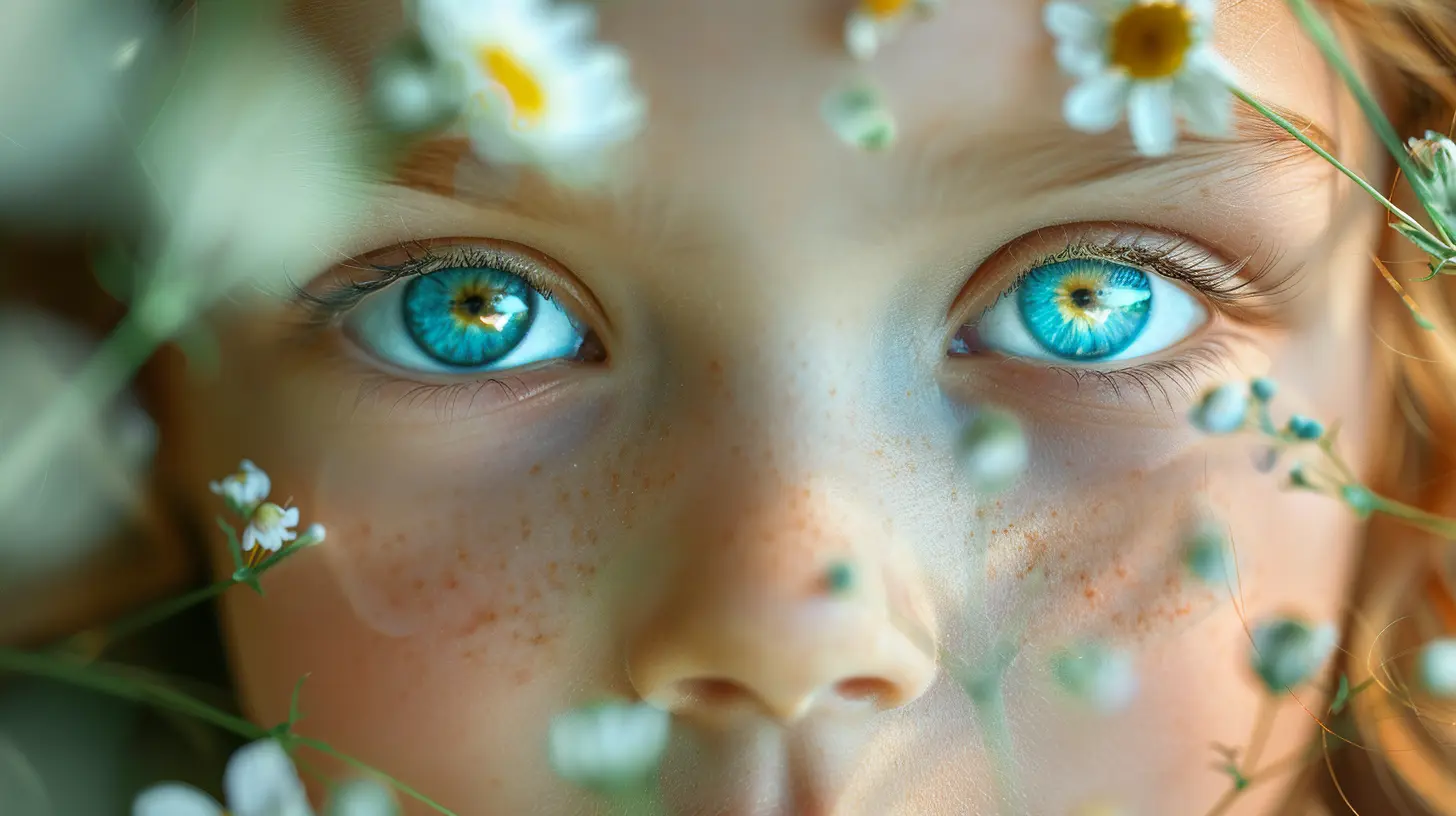
Start With Perspective-Taking
To see the world through someone else's eyes, kids need to practice perspective-taking—the ability to put themselves in another person's shoes.1. Encourage "What If?" Questions
One of the easiest ways to help your child think about others' feelings is by asking simple "What if?" questions.- What if you were the new kid at school? How would you feel?
- What if your friend lost their favorite toy? What would they want from you?
- What if your little brother wanted to play, but you were too busy? How do you think he feels?
These kinds of questions push kids to stop and consider emotions beyond their own.
2. Use Storytelling to Build Empathy
Books, movies, and even everyday stories can be powerful tools for teaching empathy.- While reading a bedtime story, pause and ask: How do you think this character feels right now?
- When watching a movie together, discuss different characters' perspectives: Why do you think they made that choice?
- Share real-life experiences: Remember when you felt nervous on your first day of school? That’s probably how your friend felt too.
The more kids hear different perspectives, the better they become at understanding others’ emotions.

Teach Emotional Awareness
3. Help Them Recognize Their Own Feelings
Before kids can understand others, they need to understand themselves. Teach them to name their emotions:- Are you feeling frustrated?
- You seem really excited! What’s going on?
- I can see you're upset. Can you tell me why?
Once they can identify their own emotions, they’ll be better equipped to recognize similar feelings in others.
4. Model Empathy in Everyday Life
Kids learn more from what we do than what we say. Want your child to grow up empathetic? Show them how it’s done!- Acknowledge their feelings. If they’re sad, instead of brushing it off, say: I see you're upset. Want to talk about it?
- Be kind to others. Whether it’s thanking the cashier or holding the door open for a stranger, small acts of kindness set an example.
- Apologize when needed. If you lose your temper, say: I’m sorry for raising my voice. I was frustrated, but that wasn’t the right way to handle it.
These moments teach kids that emotions matter and that kindness counts.

Encourage Acts of Kindness
5. Show the Power of Helping Others
Small, everyday actions teach kids that they can make a difference. Encourage them to:- Help a sibling with homework
- Share their snack with a friend
- Write a thank-you note to their teacher
- Donate toys they don’t use anymore
Each act reinforces the idea that their actions can bring happiness to someone else.
6. Get Involved in Volunteering
Want to take empathy to the next level? Involve your child in community service.- Visit a nursing home and spend time with the elderly
- Participate in a local food drive
- Help clean up a park
- Foster or adopt a pet in need
Experiencing others’ struggles firsthand makes empathy feel real and meaningful.
Encourage Open-Mindedness
7. Introduce Different Cultures and Perspectives
The world is full of different traditions, beliefs, and experiences. Exposing your child to diversity helps them appreciate other people's viewpoints.- Try new foods from different cultures
- Learn a few words in another language
- Read stories from different backgrounds
- Celebrate different holidays or learn about customs from other countries
The more they see, the more they respect the uniqueness of others.
8. Teach the Importance of Listening
Sometimes, the best way to understand someone else is simply to listen. Help your child develop good listening skills by:- Making eye contact when someone speaks
- Asking follow-up questions (How did that make you feel?)
- Avoiding interruptions
When they learn to listen with genuine interest, they naturally become more empathetic.
Handle Conflict with Empathy
9. Teach Them to See Both Sides
Kids argue—it’s part of growing up. But instead of just saying "Stop fighting!" teach them to consider the other person’s feelings.Try asking:
- How do you think your brother felt when you took his toy?
- What could you do differently next time?
- If you were in your friend's place, how would you feel?
Encouraging kids to step into the other person’s shoes makes problem-solving easier and strengthens relationships.
10. Encourage "I" Statements
When kids express their feelings using "I" statements, they communicate without blaming.- "I felt upset when you didn’t wait for me."
- "I was hurt when you didn’t share with me."
This approach helps them express themselves while also considering others' feelings.
Be Patient—Empathy Takes Time
Let’s be honest—kids won’t become experts at empathy overnight. It takes time, practice, and a lot of guidance.Some kids naturally have a strong sense of empathy, while others need more encouragement. If your child struggles to see another person's perspective, don’t worry. Keep practicing, stay patient, and remember that every small effort counts.
By making empathy a part of your everyday parenting, you’re shaping a child who grows up to be compassionate, kind, and emotionally intelligent—a child who can see the world through others’ eyes.
all images in this post were generated using AI tools
Category:
Teaching EmpathyAuthor:

Tara Henson