Managing Sibling Rivalry with Empathy and Patience
17 July 2026
Sibling rivalry. Just hearing those two words might make some parents sigh in exhaustion. Whether you're in the thick of temper tantrums over toys or quietly refereeing battles over who gets front seat privileges, know this—you are not alone.
The push-and-pull between siblings is as old as time. But here's the thing: while rivalry is normal, how we navigate and respond to it as parents can make all the difference. If you've found yourself caught in the crossfire between your little (or not-so-little) ones, grab a cup of coffee, take a deep breath, and let’s talk.
This isn’t about perfection, it’s about progress. In this article, we're diving deep into managing sibling rivalry with empathy and patience—because let's be honest, yelling might work in the moment, but it's never the long-term solution.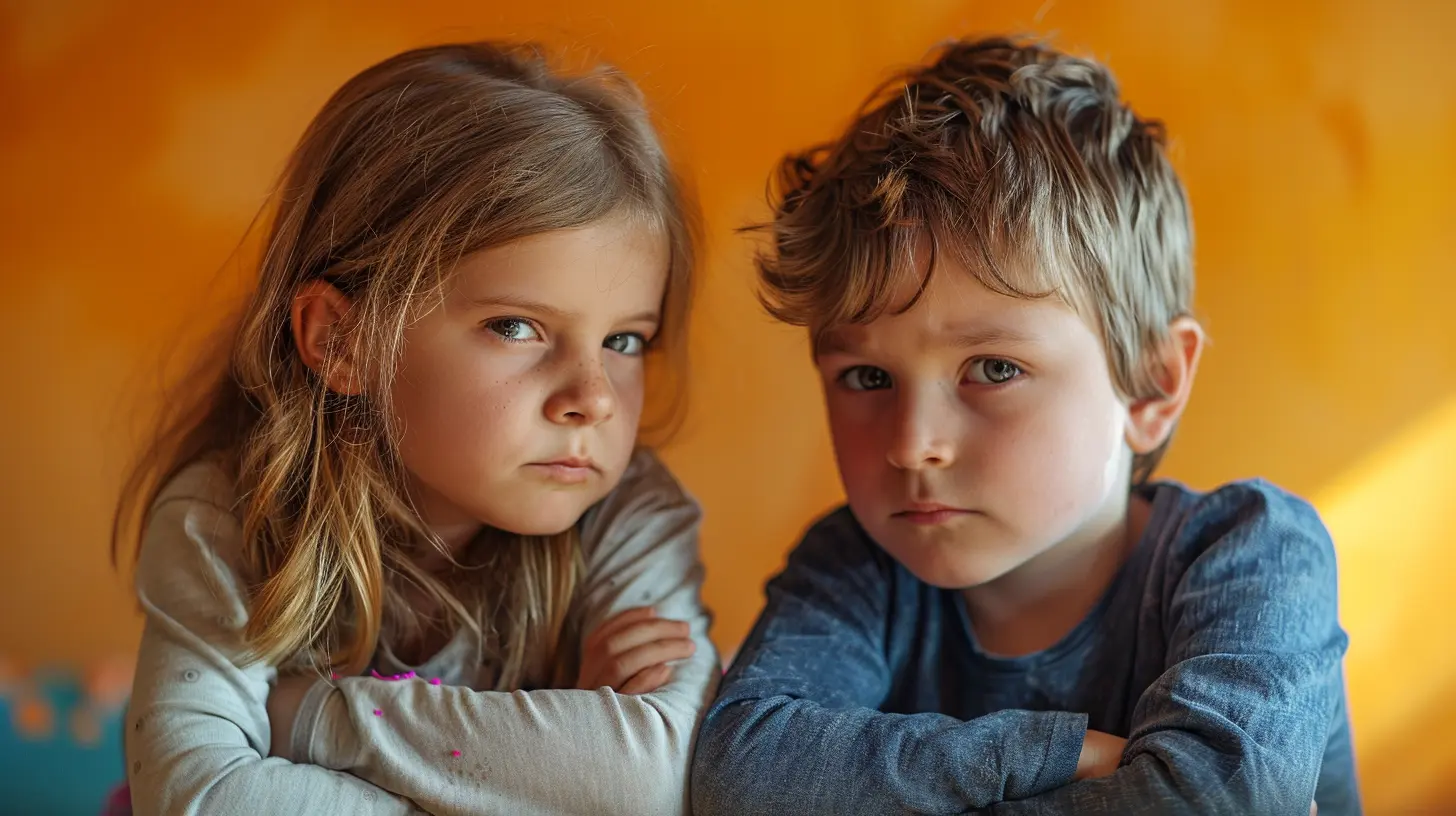
What Is Sibling Rivalry, Really?
Before we jump into how we can manage it, let’s talk about what it actually is. Sibling rivalry isn't just fighting or bickering. At its core, it’s competition. Kids are constantly vying for your attention, your approval, maybe even your affection—especially when energy in the house feels tense or a little uneven.It starts young, sometimes even before the second child is born. You’ve probably heard this one: “Why do they fight over everything?” It’s not that they love conflict; it’s that they’re trying to figure out their place.
Think of it like this—siblings are like roommates who never signed up to live together. They’ve got different personalities, different needs, and they’re thrown into the same space, 24/7. It’s only natural that sparks fly.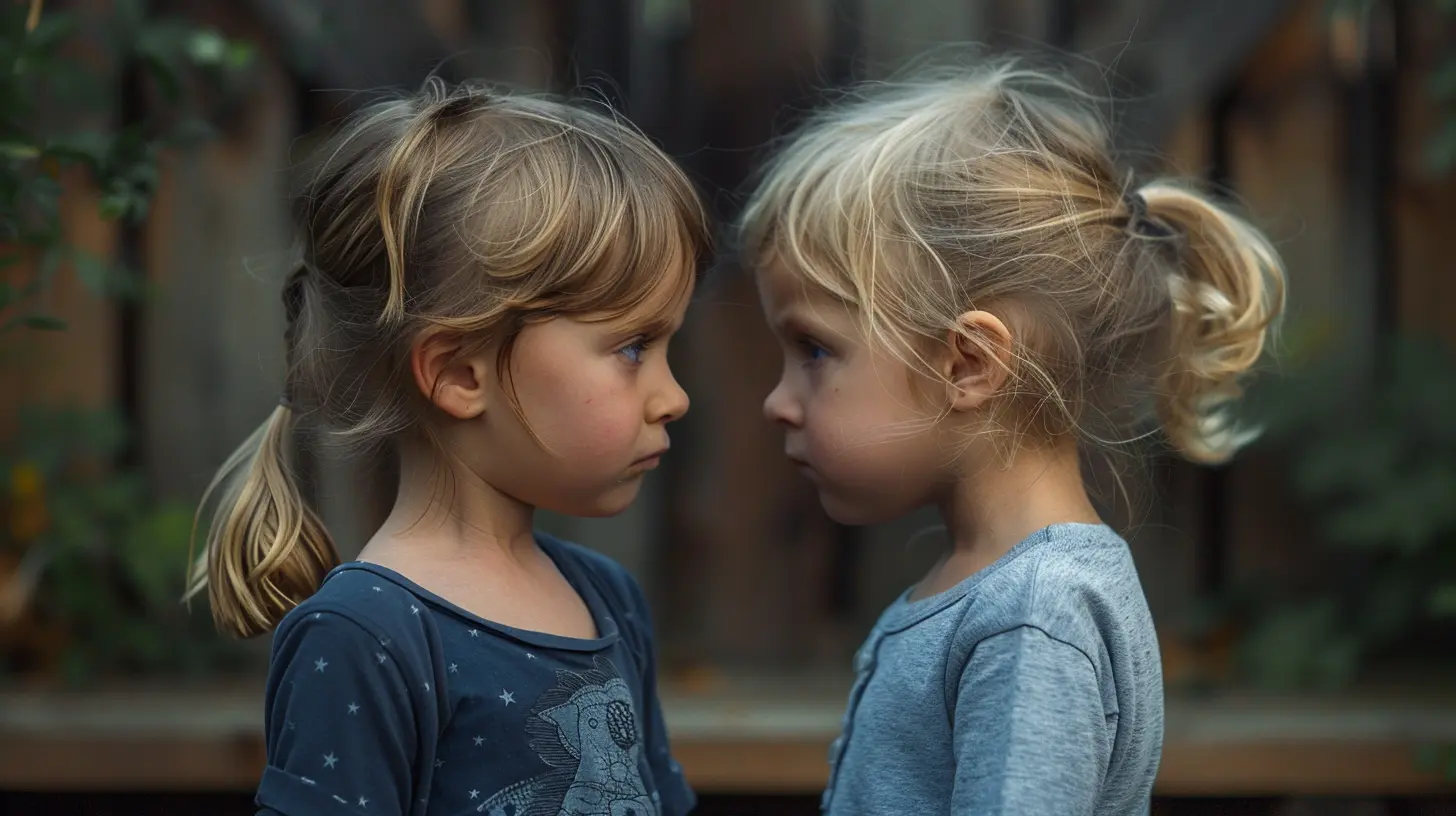
Why Empathy and Patience Matter
Empathy and patience might feel like buzzwords, but they’re your superpowers in parenting.Let’s break it down:
- Empathy is about stepping into your child’s shoes. It’s not just about hearing them; it’s about feeling with them.
- Patience is the pause between the provocation and your response. It’s what gives you the edge when your instinct says “yell,” but your heart says, “connect.”
When you approach sibling rivalry with empathy and patience, you’re not just stopping a fight. You’re teaching life skills—conflict resolution, compassion, understanding, and self-control. These are lessons they’ll carry far beyond the living room squabbles.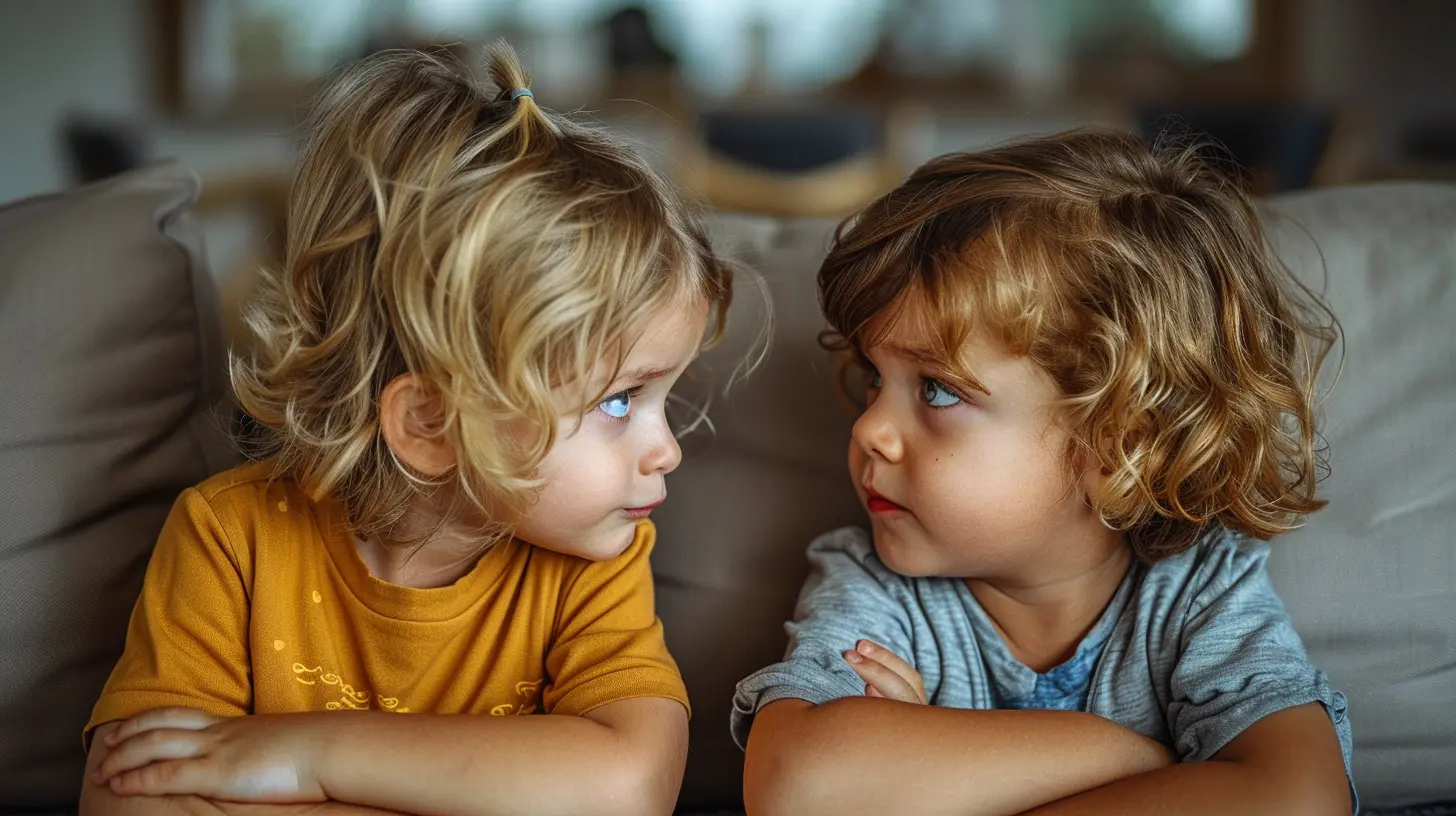
Understanding Each Child’s Unique Needs
Children aren’t carbon copies of each other (thank goodness, right?). One might be sensitive and introverted, the other maybe fiery and outgoing. Their rivalry might be rooted in how differently they interpret situations.Here’s the trick: Instead of treating kids equally, treat them fairly. That means tailoring your response to who they are, not just what happened.
? Try This: After a fight, instead of saying “You both need to apologize,” pull each child aside and ask them what happened from their perspective. This gives them a chance to be heard—and it teaches them to reflect, not just react.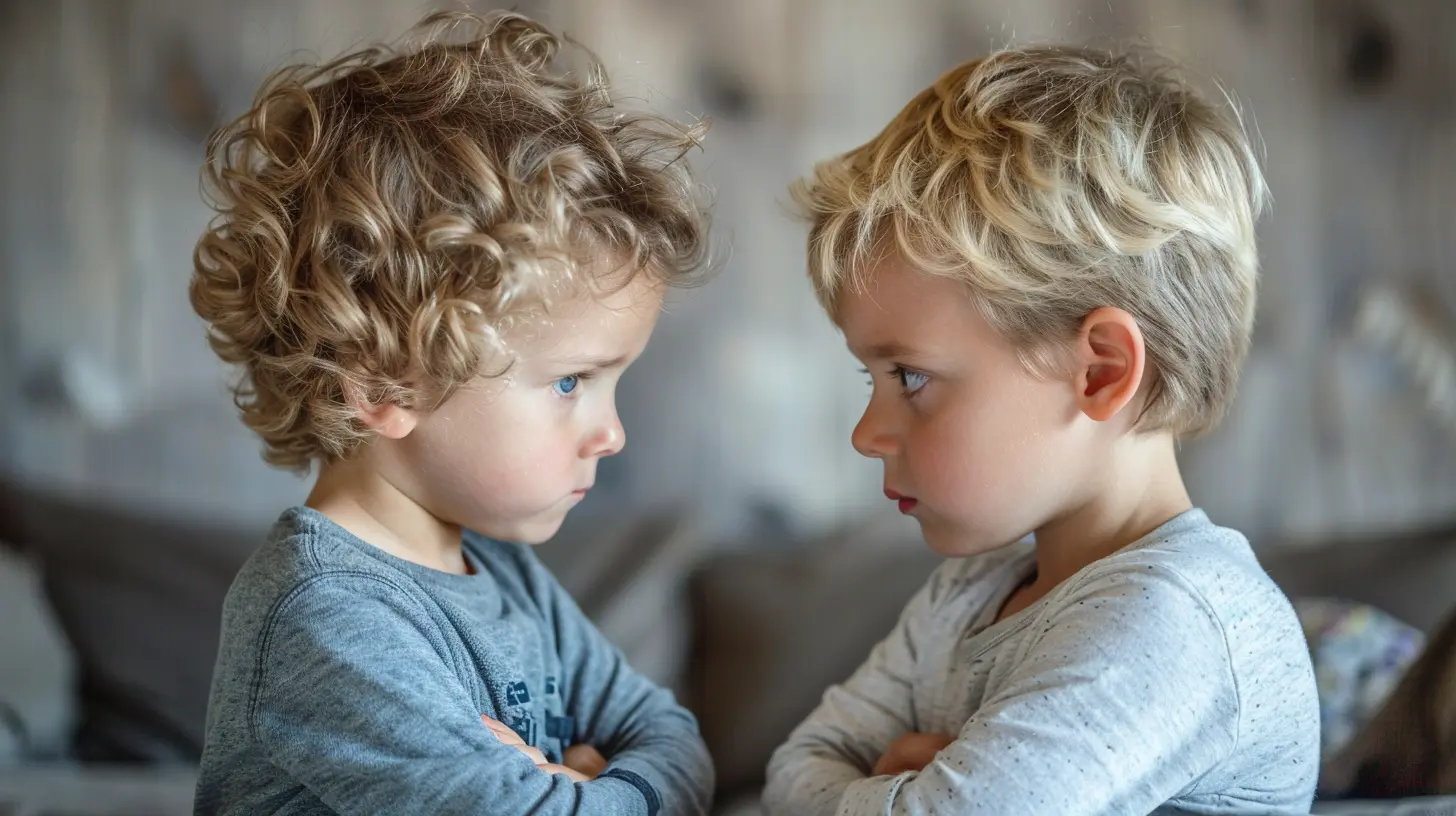
Be the Calm in the Chaos
Let’s be real—when our kids fight, it stirs something up in us. Maybe it's our own childhood memories, or just plain exhaustion. But here’s the golden rule: if you can’t be calm, you can’t help them be calm either.Your energy sets the tone. If they’re shouting and you’re shouting too, it only fuels the fire. But if you model calm, controlled responses, they start to absorb that.
?♀️ Quick Check-In Tip: Before responding, ask yourself, “Am I reacting emotionally, or responding intentionally?” Take 3 deep breaths. Count to 10. Go sit in the bathroom if you have to. Just give yourself that pause.
Set Clear Boundaries (And Stick to Them)
Empathy doesn’t mean letting bad behavior slide. In fact, clear and respectful boundaries make kids feel safe.Let your kids know what’s okay—and what isn’t. “We don’t hit in this house.” “Using kind words is our rule.” Make these non-negotiables, and be consistent.
Consistency builds trust. Kids need to know what to expect from you when they cross the line. No surprises. No endless warnings.
? Tip: Talk about these rules during calm moments, not in the middle of a fight. Make them part of your daily routine—morning reminders, dinnertime chats, bedtime recaps.
Don’t Play Favorites (Even Accidentally)
This one’s tough, especially if one child is more challenging than the other. You might not even realize you’re doing it—letting the younger one off the hook more often, or praising the older one because “they should know better.”But kids pick up on everything. And perceived favoritism can fan the flames of rivalry.
? Try This: Give each child one-on-one time, regularly. Even 10-15 minutes a day can make a massive difference. During that time, let them choose the activity, and give them your full attention—phone down, mind present.
Teach Conflict Resolution Skills
One of the best gifts we can give our kids is knowing how to solve problems without a scream-fest.Here’s a simple framework to teach them:
1. Pause – Take a break before reacting.
2. Explain – Share how you feel using “I” statements (“I felt upset when you took my game.”)
3. Listen – Let the other person explain too.
4. Solve – Come up with a fair solution together.
Do it with them at first. Be the coach on the sidelines rather than always stepping in as the referee.
? Goal: Over time, they’ll start using these tools on their own. Imagine that—a living room disagreement handled…without you. Wild, right?
Encourage Teamwork, Not Competition
Instead of comparing them, create situations where they need to work together: building a fort, planning a picnic, or even tackling chores as a team.Celebrate their teamwork more than their individual successes sometimes. Why? Because those wins teach hard-to-learn lessons like cooperation, empathy, and shared joy.
? Try This Game: “Family Challenges” – Create mini games where they only win if they work together. Think: “If you both clean up the toys in 10 minutes, we get an extra bedtime story.”
Model the Behavior You Want to See
Let’s face it—kids are mini copy machines. They watch how we handle stress, arguments, and frustration. If we’re snarky with our partner or slam doors after a long day, they file that away as “normal.”So let them see you manage frustration with grace. Let them hear you apologize when you mess up. Let them witness empathy—in real-time.
? Mirror Check: Ask yourself, “Would I want my child to handle conflict the way I just did?” If not, it’s not shameful. It’s a moment to grow.
When to Worry (And When to Let It Go)
Not every argument needs intervention. In fact, letting kids work things out on their own builds resilience. But if fights are constant, intense, or physical, it’s time to dig deeper.Ask yourself:
- Are they competing for time or attention?
- Is one child experiencing struggles outside the home?
- Are family changes increasing stress (like a move, divorce, or new baby)?
? Don’t be afraid to seek help—a therapist, counselor, or parenting coach can offer tools and perspective. There's zero shame in getting support.
A Gentle Reminder: It’s a Journey
No one has this all figured out. There will be days when you lose your cool, when the kids won't stop arguing, when you feel like a failure.But every patient pause, every empathetic word, every effort to understand your children instead of just reacting to them—that adds up.
Think of parenting like planting a garden. You won’t see blooms every day. But if you keep showing up, watering regularly, and yanking the weeds… eventually, growth happens.
So if you’re knee-deep in sibling fights right now, hang in there. These messy moments are shaping your kids into emotionally intelligent, compassionate human beings. All because you chose empathy. All because you made patience your parenting compass.
Final Thoughts
Managing sibling rivalry with empathy and patience isn't about having perfect kids or never raising your voice. It’s about showing up, day after day, with love at the center—even when things are loud, messy, and exhausting.You're not just managing conflict; you're raising humans who know how to connect, forgive, and grow. And that, dear parent, is nothing short of heroic.
So breathe. You're doing better than you think.
all images in this post were generated using AI tools
Category:
Parenting AdviceAuthor:

Tara Henson