Teaching Kids About Money and Financial Responsibility
8 April 2026
Ah, money—one of life’s greatest mysteries, right up there with why toddlers refuse to eat the food they begged for five minutes ago. Teaching kids about money and financial responsibility is about as fun as stepping on a LEGO barefoot, but hey, it’s gotta be done. Otherwise, they’ll grow up thinking an ATM is a magical machine that spits out cash whenever you push buttons. So, grab your coffee (or something stronger), and let’s dive into this wild ride of raising financially savvy kids.

Why Teaching Kids About Money Matters
I know what you're thinking: "Can't they just figure it out when they're older?" Sure, and we could also let them learn to drive by just handing them the keys and hoping for the best. Look, financial responsibility is a life skill, just like cooking or remembering to put the toilet seat down. If we don't teach our kids early on, they'll enter adulthood believing rent is optional and credit cards are free money.
When Should You Start Teaching Kids About Money?
The short answer? Yesterday. The long answer? As soon as they stop trying to eat coins. Kids can start grasping basic money concepts as early as preschool. By the time they’re in elementary school, they should understand that money is earned, not just handed out because they exist.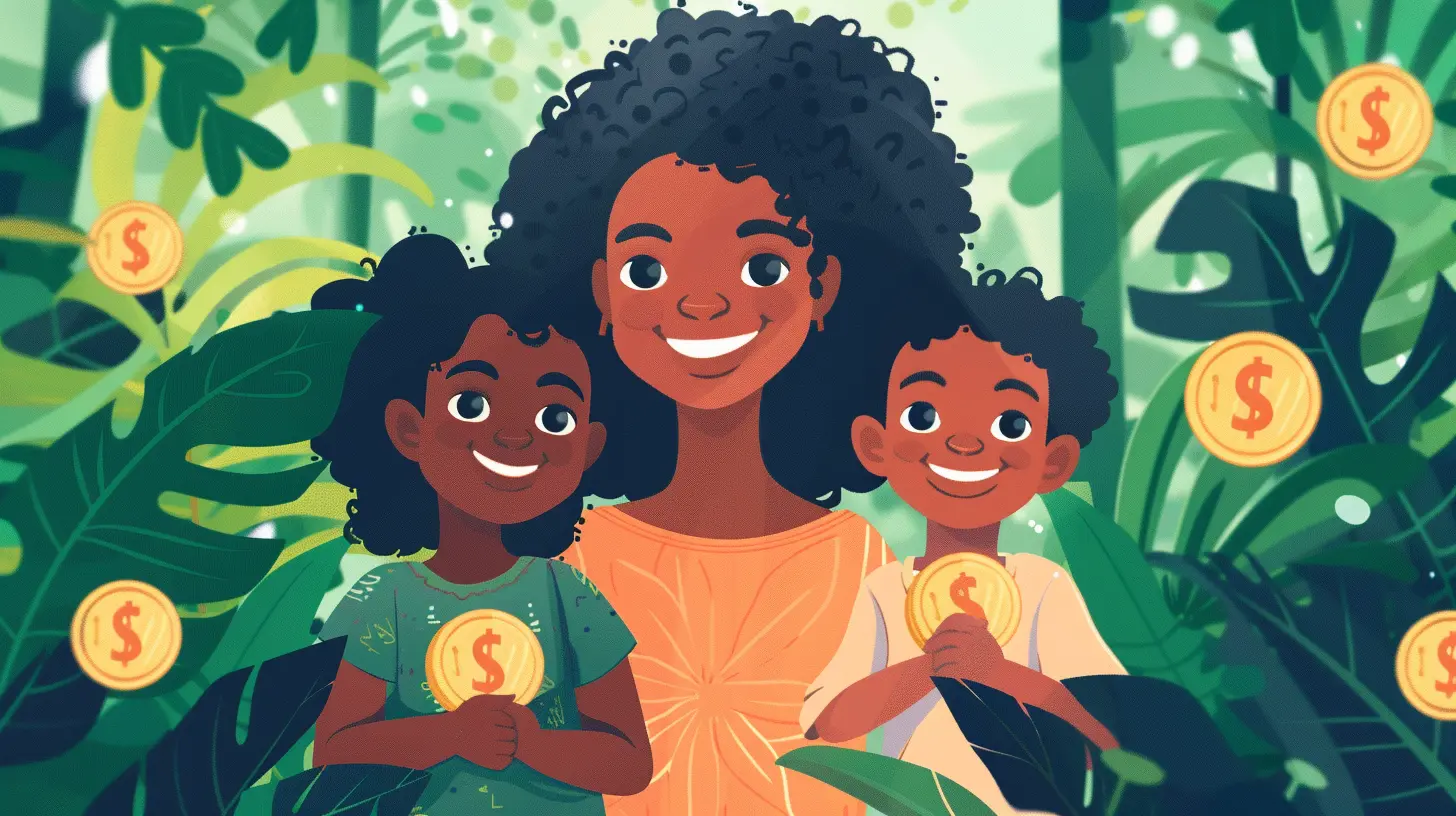
The Basics: Making Money Make Sense
1. Money Doesn’t Grow on Trees (or in Your Wallet by Magic)
Your child needs to understand that money comes from work. No, it doesn’t just appear when you slide a card or tap your phone. Explain that you earn money by working, and then you use that money to buy things—like groceries, rent, and all the toys they beg for at Target.2. Needs vs. Wants – The Eternal Battle
Kids think they NEED that $50 stuffed animal that looks identical to the 17 others they already own. Newsflash: that's a "want," not a "need." Teach them the difference with real-life examples:- Need: Food, water, shelter, WiFi (ok, debatable).
- Want: A $6 unicorn frappuccino that tastes like regret.
Once they grasp this concept, they might stop treating Target trips like a personal shopping spree. (Wishful thinking, I know.)
3. The Allowance Debate: To Give or Not to Give?
Ah, the age-old question: Should kids get an allowance? Some parents insist kids should earn money through chores, while others believe in a no-strings-attached approach. Here’s a genius compromise:- Give them a base allowance (because managing money takes practice).
- Offer extra money for extra chores (because in real life, hard work = more money).
This way, they learn that effort leads to earnings. Plus, you might finally have someone willing to scrub the bathroom. Win-win!

Teaching Kids How to Save Money
1. The "Three Jars" Method: Spend, Save, Give
This method is genius because it teaches balance—something most adults still struggle with. Give your child three jars (or envelopes, if you’re fancy).- Spend: Money they can use right away.
- Save: For bigger purchases (hello, delayed gratification).
- Give: Because generosity is important (and no, giving their sibling an IOU doesn’t count).
This hands-on approach helps them see where their money is going instead of assuming it vanishes into the void.
2. Delayed Gratification: A Tough Pill to Swallow
Kids want everything NOW. But learning to wait for something they want is a game-changer. Encourage them to save up for bigger purchases instead of impulse spending on junk they'll forget about in two days.Pro tip: Show them price comparisons. Let them see that if they wait a little longer, they can afford something even better. Trust me, they’ll still whine, but at least they’ll start thinking about their choices.
Smart Spending: Teaching Kids How To Stretch a Dollar
1. The Joy of Sales, Discounts, and Coupons
There’s no shame in using a coupon. In fact, it should be considered an Olympic sport. Teach your kids to check for deals, compare prices, and use discounts like a pro. Show them how you shop smart so they won’t grow up paying full price for everything like amateurs.2. The Art of Budgeting (Yes, Even Kids Can Do It)
Budgeting isn’t just for boring adults trying to afford rent and still have money for takeout. Kids can learn budgeting by planning how much of their allowance should go into those magical three jars. Give them a small budget for things like toys, games, or snacks, and watch as they suddenly become financial strategists trying to maximize every penny.
Introducing Kids to Earning Money
1. The Chore Economy: Work for Your Wealth
If your kid thinks folding laundry is beneath them, tell them they can get paid for it. Suddenly, they’re interested. Assign chores with a payment system so they connect work with earnings—the same way adults do, except without the soul-crushing reality of taxes.2. Kid-Friendly Side Hustles (Because Why Not?)
Encourage entrepreneurial thinking! Kids can earn money beyond chores by doing things like:- Walking neighbors’ dogs
- Selling handmade crafts
- Running a lemonade stand (a rite of passage)
- Babysitting younger siblings (with supervision, of course)
Giving them ways to earn money helps them understand that income isn’t just handed to you (unless you're a trust-fund baby, in which case, lucky them).
The Dark Side: Teaching Kids About Debt and Credit
1. The Credit Card Trap (No, It’s Not Free Money)
Explain credit cards in a way they’ll understand: It’s like borrowing a toy from a friend—you HAVE to return it, or they won’t share with you again. Except with credit cards, if you don’t pay back what you borrowed, you owe even more. And no, screaming about it won’t help.2. Loans, Interest, and Why Taking Too Much is a Bad Idea
If they borrow money from you (because they “just HAVE to” buy something), charge interest. Yes, seriously. Make them pay back more than they borrowed so they understand that debt is not free. Bonus: You get a little extra for your trouble.
Final Thoughts: Raising Money-Smart Kids
Teaching kids about money and financial responsibility isn’t easy, but it’s necessary unless you want them living in your basement at 35, wondering why their landlord (you) expects rent. Start small, be patient, and for the love of all things holy, make it fun! Because let’s be real—if learning about money is as boring as a lecture on grass-growing, they’ll tune you out faster than you can say “compound interest.”So, go forth and raise those financially responsible humans. And maybe, just maybe, they’ll stop asking you for money every five seconds. (Doubtful, but one can dream.
all images in this post were generated using AI tools
Category:
Parenting AdviceAuthor:

Tara Henson
Discussion
rate this article
2 comments
Jillian Morgan
Money talks, kids! Teach them the art of saving now, or they'll be broke and asking for your couch later!
April 23, 2026 at 2:58 PM
Erin Pope
Empowering our children with financial knowledge is one of the greatest gifts we can give. By teaching them the value of money and responsibility, we’re not just shaping their futures, but also instilling confidence and independence for lifelong success.
April 14, 2026 at 3:55 PM