The Importance of Play in Childhood Development
10 July 2026
Let’s get real for a second — when was the last time you watched a kid completely lost in play? You know, when they’re building a castle out of couch cushions or pretending they're a superhero saving the world with nothing but a cape made from a bath towel? It’s magical, right? But here’s the kicker — it’s not just adorable, it’s also essential.
Play isn’t just about keeping kids busy or giving parents a breather (although, let’s be honest… we all need one of those from time to time). It’s a crucial part of a child’s development. We’re talking brain-building, character-shaping, emotion-balancing kind of important.
In this article, we’re going to dig deep into why play matters so much in childhood, the different types of play, and how you can support your child’s development — all while having fun. Yep, parenting can be fun too. Let’s dive in.
Why Is Play So Important?
First things first — play is how kids learn. Not just their ABCs and 123s, but how to be human. It’s the most natural, instinctive way kids explore the world around them. And it does way more than meets the eye.Through play, children learn to:
- Think creatively
- Solve problems
- Build relationships
- Understand emotions
- Develop physical coordination
It’s like the ultimate all-in-one learning tool. And the best part? They don’t even realize they’re learning. To them, it’s all just fun and games — literally.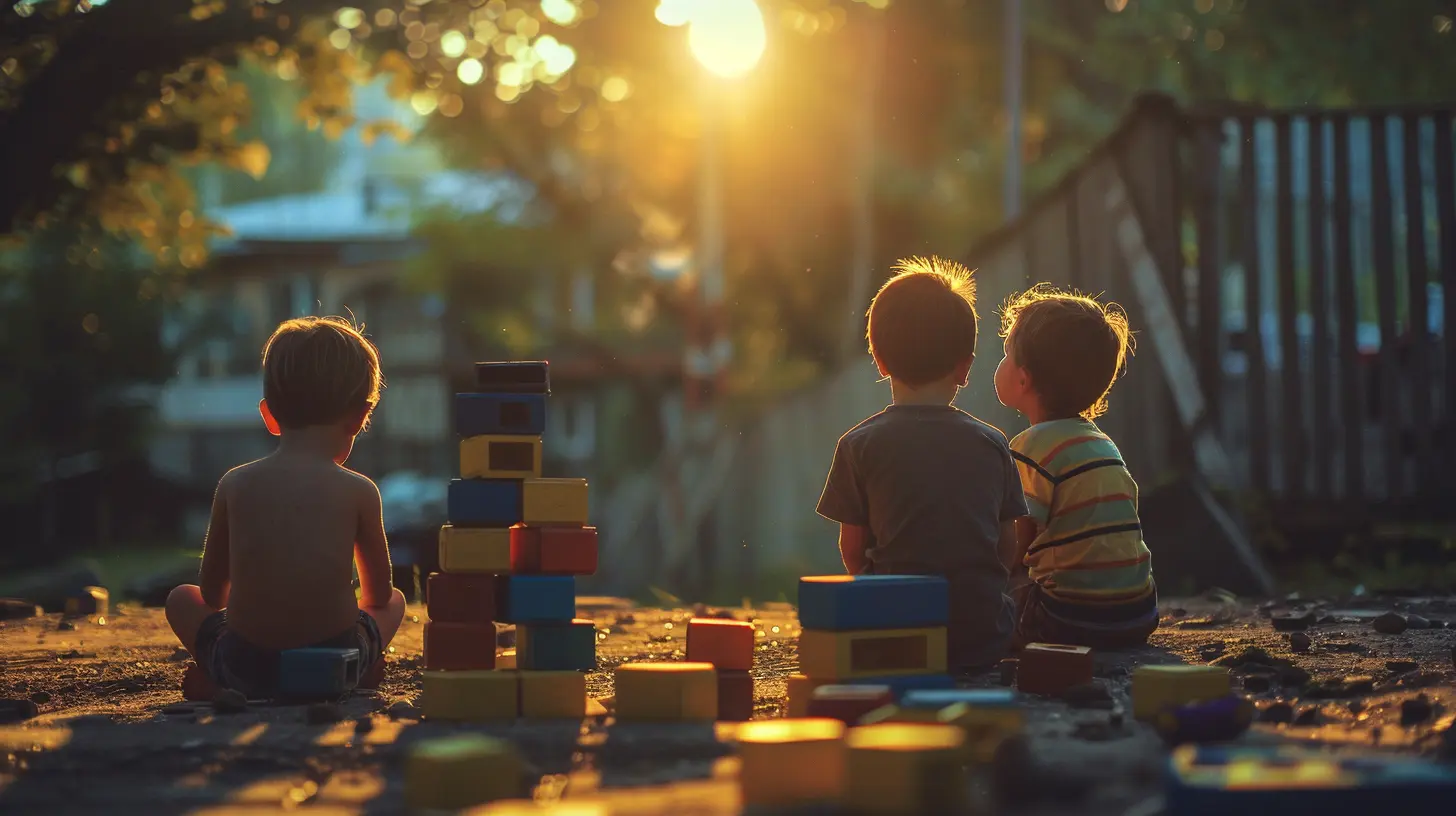
The Role of Play in Cognitive Development
Ever watched a toddler solve a puzzle or figure out how to stack blocks without toppling them over? That’s cognitive development in action. And guess what fuels it? Yep — play.Play gives kids a chance to experiment, test out ideas, and make sense of new concepts. Whether it’s learning cause and effect (“If I tip this cup over, the juice spills!”) or developing memory and concentration through board games, play exercises the brain just like running laps exercises the body.
And it’s not just for little kids. Even older children benefit from strategic and imaginative games that stretch their brains in new ways.
Emotional Benefits of Play
Here’s something you might not think about often — play is a huge part of emotional intelligence.When kids play, they’re not just having fun. They're processing big feelings, working out frustrations, and trying on different roles to understand themselves better. Think about pretend play — when your child is the “mommy” to their doll or a “doctor” helping stuffed animals feel better, they’re making sense of their own experiences and emotions.
Plus, play provides a great outlet for stress. Life can be overwhelming, even for kids. Giving them space and time to play helps them self-regulate and feel more in control.
Social Skills: Built in the Sandbox
You probably don’t think of a sandbox as a training ground for social skills, but that’s exactly what it is.Through play, kids practice communication, cooperation, negotiation, and empathy. They learn how to share (eventually), take turns (with some gentle nudging), and resolve conflicts (with a few tears here and there).
Playdates, group games, and team sports are all opportunities to discover how to navigate relationships. These lessons might come with some scraped knees and arguments, but they’re powerful and long-lasting.
Language Development Through Play
Here’s a fun fact: the more kids play, the more they talk. And talk. And talk.Whether they’re narrating stories with action figures or chatting with friends during a game of tag, they're expanding their vocabulary, improving sentence structure, and learning the rhythms of conversation.
Pretend play especially boosts language development. When children make up scenarios, they also create dialogue. And when they take on different roles, they experiment with tones, expressions, and new words. It’s like a rehearsal for real-life conversations.
Physical Growth and Motor Skills
Let’s not forget the physical benefits of play. Running, jumping, climbing, balancing — it’s all part of building muscle strength, coordination, and gross motor skills.And even smaller, seemingly simple actions like picking up tiny toys or threading beads help develop fine motor skills that are crucial for tasks like writing, buttoning shirts, or tying shoelaces.
Playgrounds, backyards, and living room obstacle courses? They’re not just grounds for fun — they’re training zones for the growing body.
Different Types of Play and Their Impact
Not all play is created equal, and that’s a good thing! Different types of play contribute to various aspects of a child's growth. Let’s break them down:1. Imaginative or Pretend Play
This is the “let’s pretend” type — where kids create stories, characters, and entire worlds. It boosts creativity, emotional expression, and cognitive flexibility.2. Physical Play
Running, jumping, biking, climbing — all the good stuff that gets kids moving. It supports physical health, coordination, and energy release.3. Constructive Play
Think blocks, Legos, and even sandcastles. This kind of play enhances problem-solving skills, spatial awareness, and motor coordination.4. Social Play
Group games, team sports, or even just two friends playing house. Social play develops communication, cooperation, and relationship-building.5. Solitary Play
Yes, playing alone matters too. It helps children develop independence, concentration, and self-sufficiency.The Role of Adults in Play
Here’s the million-dollar question: Should you play with your kids?Answer? Absolutely!
But you don’t always have to be the director of the fun. Sometimes, following their lead is the best way to engage. Let your child take the reins. Be silly. Use funny voices. Ask questions like, “What happens next?”
When you join in — even just for a few minutes — you're showing them that their ideas matter and that you value spending time with them. That builds connection, trust, and even confidence.
But it’s also OK to let them play independently. Unstructured playtime, where they’re free to roam in their imagination, is equally important. Striking a balance is key.
Screens Vs. Real Play: Striking the Right Balance
Okay, let's address the elephant in the room — screens.We live in a digital world, and let’s be honest, tablets and phones can be lifesavers. But screen time isn’t a replacement for real, hands-on play. Real play engages all the senses and involves the body in ways screens just can't replicate.
That doesn’t mean you have to ban screens completely. Instead, aim for balance. Encourage active, imaginative play as the main course, and keep screen time as dessert — a little here and there, not the whole meal.
How Much Play Do Kids Need?
Honestly? A lot more than we sometimes think.Experts recommend at least 60 minutes of active play per day for young children — and that’s just the physical side. Add in imaginative play, social play, and solo time, and it becomes clear that play should be a core part of every day.
Instead of scheduling every moment with activities, leave some space for “just play.” You’ll be amazed at how kids fill that time in creative and meaningful ways.
Creating A Play-Friendly Environment At Home
You don’t need a fancy playroom to encourage play. All kids need is space, time, and a few open-ended toys (things like blocks, art supplies, and costumes work wonders).Keep things simple:
- Rotate toys to keep interest levels high.
- Set up play zones (a quiet corner for books, a messy table for crafts).
- Encourage outside time – nature is the best playground!
And most importantly? Let it get a little messy. A lived-in, playful home is a happy one.
Final Thoughts: Play Is More Than Kid Stuff
So, back to that image of a child completely lost in their pretend world — now, do you see it differently?Play is where the magic happens. It’s the foundation for how kids think, feel, move, and connect. It helps them grow into capable, curious, and confident humans.
As parents, caregivers, or anyone who loves a child — supporting this magic is one of the most powerful things we can do. And hey, maybe even join the fun from time to time. You might just find your inner kid again.
all images in this post were generated using AI tools
Category:
Parenting AdviceAuthor:

Tara Henson