The Importance of Tummy Time for Infants
22 December 2025
As a new parent, you’ve probably heard the term “tummy time” thrown around a lot. Pediatricians, baby books, and fellow parents all emphasize how crucial it is for your little one. But have you ever wondered why? What makes tummy time so important for your baby’s growth and development?
In this article, we'll dive deep into why tummy time matters, how much your baby needs, and ways to make it an enjoyable experience for both of you.

What Is Tummy Time?
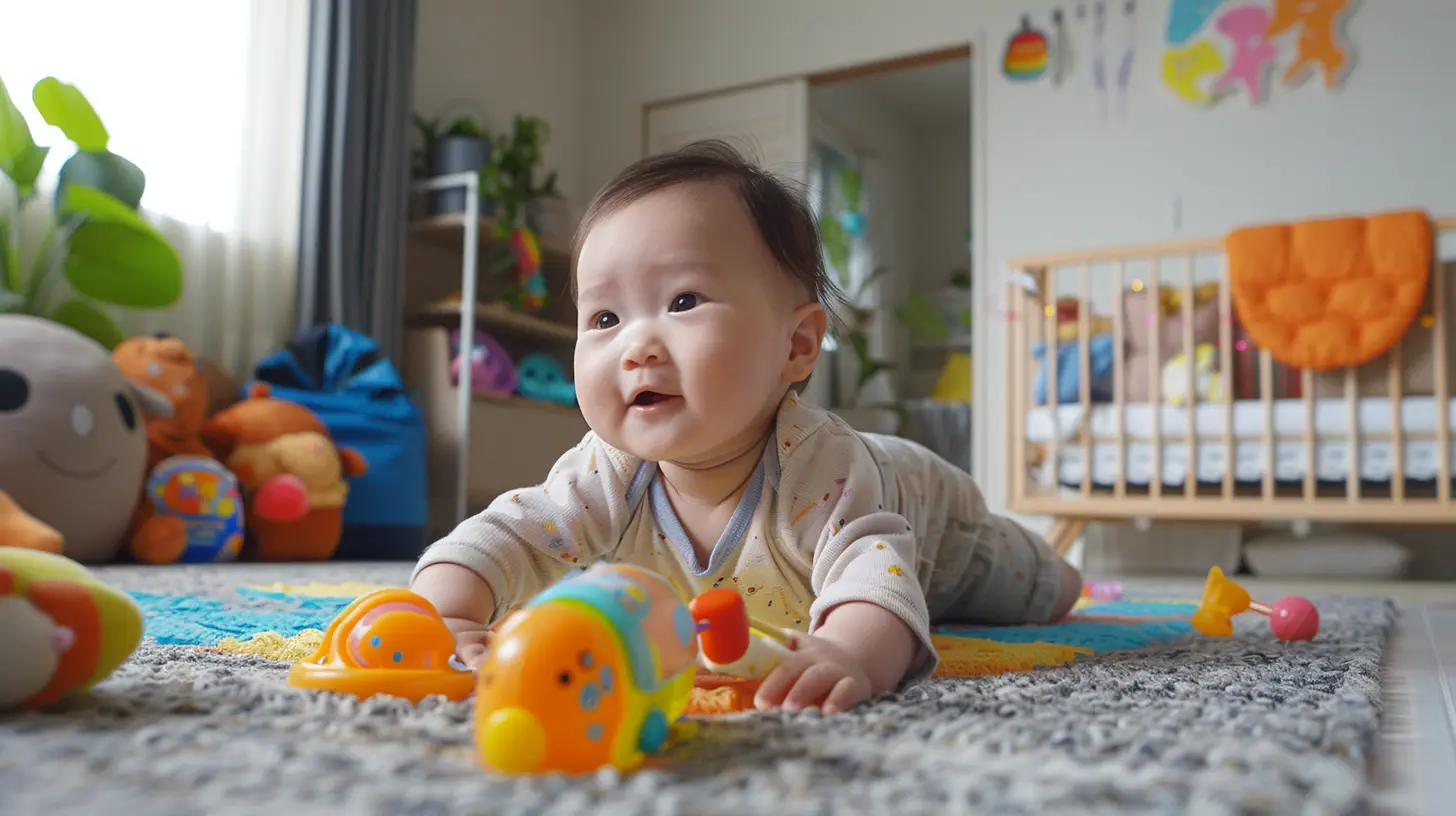
Tummy time simply means placing your baby on their stomach while they’re awake and supervised. It’s a small but powerful activity that helps strengthen the muscles they need for essential developmental milestones like rolling over, sitting up, and eventually crawling.Babies today spend a lot of time on their backs, mainly due to the “Back to Sleep” campaign aimed at reducing Sudden Infant Death Syndrome (SIDS). While this campaign has been hugely successful, it has also increased the number of babies experiencing flat head syndrome (plagiocephaly) or delayed motor development. That's where tummy time comes in—helping to balance things out.
Why Is Tummy Time Important?
1. Strengthens Neck and Shoulder Muscles
When your baby is on their tummy, they're working hard to lift their head, push up with their arms, and strengthen their neck, shoulders, and upper body. These muscles are critical for motor skills like rolling, sitting, and crawling.2. Prevents Flat Head Syndrome (Plagiocephaly)
Since newborns have soft skulls, prolonged pressure from lying on their backs can cause the back of the head to flatten. Tummy time helps by giving their head a break and allowing it to develop naturally.3. Supports Motor Skill Development
Tummy time is basically a baby’s first workout. It helps them develop coordination and control over their body. Over time, these movements evolve into more complex skills like reaching, grasping, and shifting weight, which are essential for crawling and walking.4. Aids in Digestion and Reduces Gas
Ever noticed how fussy babies can get due to trapped gas? Tummy time is a natural way to relieve some of that discomfort. The gentle pressure on their belly can help move gas bubbles and support digestion.5. Encourages Sensory Development
Lying on their tummy gives babies a new perspective of the world. They experience different textures, surfaces, and movements, all of which contribute to their sensory development.6. Develops Hand-Eye Coordination
During tummy time, babies reach for toys or look around, strengthening their hand-eye coordination. These small yet significant actions pave the way for skills like grabbing objects and even self-feeding later on.
How Much Tummy Time Does Your Baby Need?
The American Academy of Pediatrics (AAP) recommends starting tummy time from day one, aiming for 2-3 sessions per day, about 3-5 minutes each. As your baby grows and gains strength, you can gradually increase the duration.Here’s a simple tummy time schedule broken down by age:
- Newborn (0-2 months): 3-5 minutes per session, 2-3 times daily
- 2-4 months: Increase to 10-15 minutes per session
- 4-6 months: 20-30 minutes total per day
- 6+ months: By now, babies should be spending more time on their tummy naturally as they begin to roll, crawl, and explore.

How To Make Tummy Time Fun
Some babies take to tummy time immediately, while others fuss and protest. If your baby isn't a fan, don’t worry! Here are some ways to make it more enjoyable:1. Get Down on Their Level
Babies love to see faces, especially yours. Lie down in front of them and talk, sing, or make funny faces—it helps keep them engaged.2. Use a Tummy Time Pillow or Rolled Towel
A small support under their chest (like a rolled-up towel or tummy time pillow) can make the experience more comfortable, especially in the beginning.3. Provide Interesting Toys
Place colorful toys, baby-safe mirrors, or textured objects within their reach. Babies love looking at reflections, and new textures keep them curious.4. Try Tummy Time on Your Chest
If your baby resists traditional tummy time on the floor, try laying back and placing them on your chest. Your warmth, heartbeat, and familiar face can make them feel more secure.5. Use Songs and Sounds
A little bit of music, gentle chatting, or even playing with rattles can help capture their attention and make tummy time feel like playtime.6. Incorporate It Into Daily Routines
Make tummy time a part of everyday activities, like after diaper changes or before naps. Keeping it consistent helps babies get used to it.Common Challenges and How to Overcome Them
Even with the best efforts, some babies just don’t enjoy tummy time at first. Here’s what you can do if your baby resists:1. My Baby Hates Tummy Time!
Many babies fuss initially—it's a workout, after all! Start with short sessions and increase gradually. Holding and comforting them afterward helps build positive associations.2. My Baby Falls Asleep During Tummy Time
If your baby falls asleep, gently roll them onto their back (always follow safe sleep guidelines). Try doing tummy time when they’re more alert—right after a nap is often a good time.3. My Baby Just Lays There and Doesn't Lift Their Head
Encourage movement with toys, sounds, or even gently shifting their arms into a better position. You can also place them on a slightly inclined surface, like your chest, to make lifting their head easier.4. My Baby Has Reflux—Is Tummy Time Okay?
If your baby has reflux, try doing tummy time before feedings rather than after to reduce discomfort. Using a tummy time pillow for slight elevation can also help.
When Should You Worry?
Most babies will gradually build strength and tolerance for tummy time. However, if by 3-4 months your baby still struggles to lift their head or shows signs of extreme discomfort, it’s a good idea to consult your pediatrician. They might recommend physical therapy or additional exercises to support development.Final Thoughts
Tummy time may seem like a small daily activity, but it has a huge impact on your baby’s physical and sensory development. It helps strengthen muscles, prevents flat spots, builds coordination, and even aids digestion. While some babies may not love it at first, with a little creativity and patience, you can make tummy time an enjoyable experience for both of you.So, grab a soft blanket, some favorite toys, and get down on the floor—it’s time for a fun and beneficial baby workout!
all images in this post were generated using AI tools
Category:
Baby CareAuthor:

Tara Henson
Discussion
rate this article
2 comments
Solenne Hensley
Tummy time is crucial for infants as it strengthens their neck and shoulder muscles, promoting healthy motor development. Engaging in this simple activity not only supports physical growth but also encourages cognitive skills through exploration and interaction with their environment.
December 27, 2025 at 3:35 AM
Tara Henson
Thank you for highlighting the importance of tummy time! It's essential for motor development and cognitive growth in infants.
Dahlia Franco
Thank you for sharing this valuable insight on tummy time! It’s such an essential aspect of infant development. Your tips will surely help many parents create a fun and supportive environment for their little ones.
December 26, 2025 at 4:34 AM
Tara Henson
Thank you for your kind words! I'm glad you found the tips helpful for supporting infant development.