Compassion over Competition: Raising Kindhearted Kids in Sports
20 July 2026
Sports can be an incredible way for kids to develop confidence, teamwork, and perseverance. But let’s be real—youth sports today can feel like a battlefield. The pressure to win, the competitiveness among parents, and the idea that success is measured only by trophies can sometimes overshadow what sports should really be about.
As parents, we have a choice: Do we raise our kids to be cutthroat competitors who prioritize victory above all else? Or do we teach them to value compassion, kindness, and respect while still striving for personal growth?
It’s time to shift our perspective from winning at all costs to winning with character. So, how do we instill the right values in our young athletes? Let’s dive in. 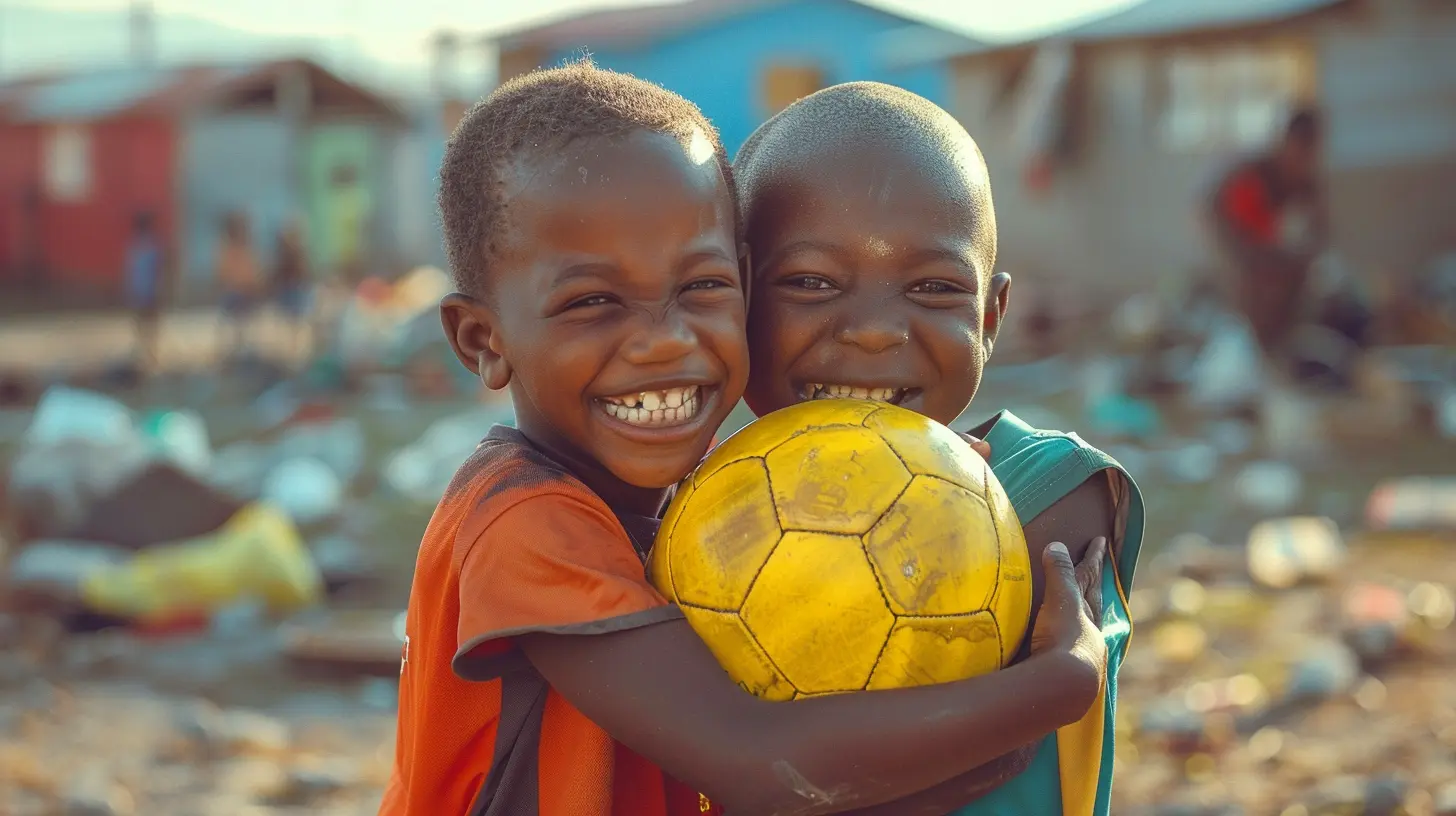
Why Compassion Matters in Youth Sports
We often associate sports with competition. After all, scoring goals, winning medals, and achieving personal bests are all part of the game. But the problem arises when kids feel that winning is the only thing that matters.Focusing too much on competition can lead to problems such as:
- Excessive pressure and anxiety – Kids may feel stressed if they believe they're only valued for their performance.
- Poor sportsmanship – They may resort to cheating, blaming others, or having tantrums after losses.
- Burnout and loss of enjoyment – When winning becomes the only goal, the love for the game fades.
On the other hand, emphasizing compassion alongside competition helps children develop emotional intelligence, resilience, and a sense of purpose beyond just the scoreboard. They learn the real value of sports: personal growth, teamwork, and mutual respect. 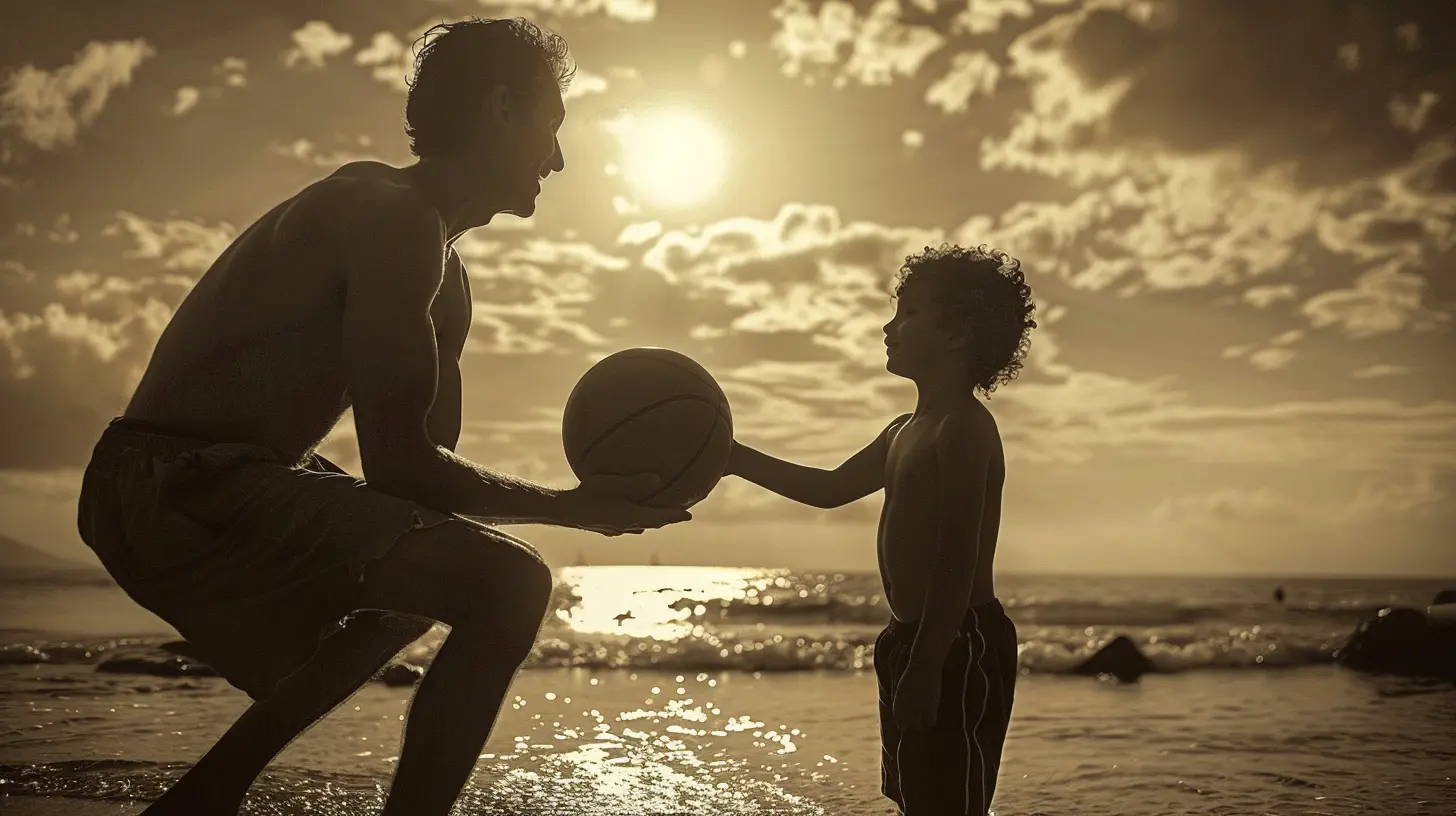
Encouraging Kindness on the Field
Raising a compassionate athlete doesn’t mean giving up on competition. Instead, it means fostering a mindset where effort, respect, and kindness matter just as much as the final score.1. Redefine Success
Kids naturally want to win, and that’s okay. But instead of measuring success only by victories, help them see it in different ways:✅ Did they improve over time?
✅ Did they support their teammates?
✅ Did they show good sportsmanship, even in tough moments?
When kids realize that success isn’t just about trophies, they start to find joy in growing as a person, not just as an athlete.
2. Be a Role Model
Let’s face it—kids absorb everything we do. If they see us yelling at referees, badmouthing the coach, or getting overly emotional about a game, they’ll likely do the same.Instead, show them what kindness looks like. Applaud effort over results, praise the opposing team for a great play, and demonstrate respect toward coaches and officials. Your actions speak louder than any pep talk.
3. Teach Them to Lift Others Up
One of the easiest ways to instill compassion? Encourage your child to build others up, not tear them down.Here are some powerful ways kids can support their peers:
- High-fiving a teammate after a good play (even if they didn’t score).
- Checking in on a teammate after a tough game.
- Congratulating the opposing team after a hard-fought match.
- Encouraging a struggling teammate instead of criticizing them.
Small acts of kindness can make a world of difference—not just for their teammates, but for their own character, too. 
Handling the Competitive Side the Right Way
Competition isn’t the enemy. Healthy competition teaches kids discipline, hard work, and how to handle setbacks. The key is to make sure it’s balanced with compassion so it doesn’t turn into destructive rivalry.1. Teach Grace in Losing
Nobody likes to lose, but let’s be honest—losing is a part of life. If kids only experience celebrations and never disappointments, they won’t learn how to handle challenges down the road.After a tough game, instead of saying “It’s okay, you’ll win next time,” try:
▶ “I loved how hard you played today. You gave it your all, and that’s what matters.”
▶ “Losing doesn’t define you—your effort and attitude do.”
By helping them see setbacks as growth opportunities, we take the sting out of losing while teaching resilience.
2. Celebrate Others’ Successes
Jealousy can creep in, especially when kids see teammates scoring goals or winning awards while they struggle. Helping them genuinely celebrate other people’s success is one of the most valuable lessons they can learn.Encourage them to cheer for teammates, acknowledge great plays, and be happy for others without feeling like it takes away from their own achievements. There’s enough room for everyone to shine.
3. Focus on Personal Growth, Not Just the Competition
Instead of obsessing over rankings, try shifting the focus to individual improvement.Ask your child:
- “What’s one thing you did better today?”
- “How did you challenge yourself?”
- “What’s a goal you want to work toward?”
When they start competing against their own past performance rather than others, they’ll stay motivated without feeling like they constantly need to prove themselves. 
When Parents Get Too Competitive
Let’s be real—sometimes, it’s not the kids who are the problem. It’s us.It’s easy to get caught up in the excitement of youth sports. Cheering is great, but when parents start yelling from the sidelines, arguing with referees, or putting too much pressure on performance, it sends a message: Winning is everything.
To avoid turning into that overcompetitive parent, keep these reminders in mind:
- Your child’s happiness matters more than the scoreboard.
Pressure to be the best can quickly suck the joy out of sports.
- Let coaches do their job.
Coaching from the stands can confuse and frustrate kids. Support rather than direct.
- Praise the effort, not just the outcome.
Your child needs to feel valued for trying, improving, and showing good character—not just for winning.
At the end of the day, their sports experience should be about them—not about our expectations.
Creating a Culture of Kindness in Sports
Sports have the power to shape kids in profound ways. When we shift the focus from competition alone to a balance of ambition and empathy, we raise athletes who not only play hard but also play fair.By redefining success, role-modeling kindness, and encouraging emotional intelligence, we give our kids the best of both worlds: the drive to succeed and the heart to lift others up along the way.
Because in the grand scheme of life, *it’s not just about how many games they win—it’s about the kind of person they become.
all images in this post were generated using AI tools
Category:
Teaching EmpathyAuthor:

Tara Henson