How to Make Family Mealtime a Positive Experience
3 July 2026
Let’s be honest—mealtime with the family doesn’t always look like the heartwarming scenes we see in feel-good movies. Sometimes, it's a chaotic mess of spilled milk, complaints about broccoli, and everyone scrolling through their phones. But what if we could shift that narrative and turn family meals into moments of connection, fun, and togetherness?
If you’ve been craving more than just food at the dinner table (like genuine conversations and giggles), then stick around. We're diving deep into how to make family mealtime a positive experience—and no, it doesn’t require gourmet meals or hours of prep.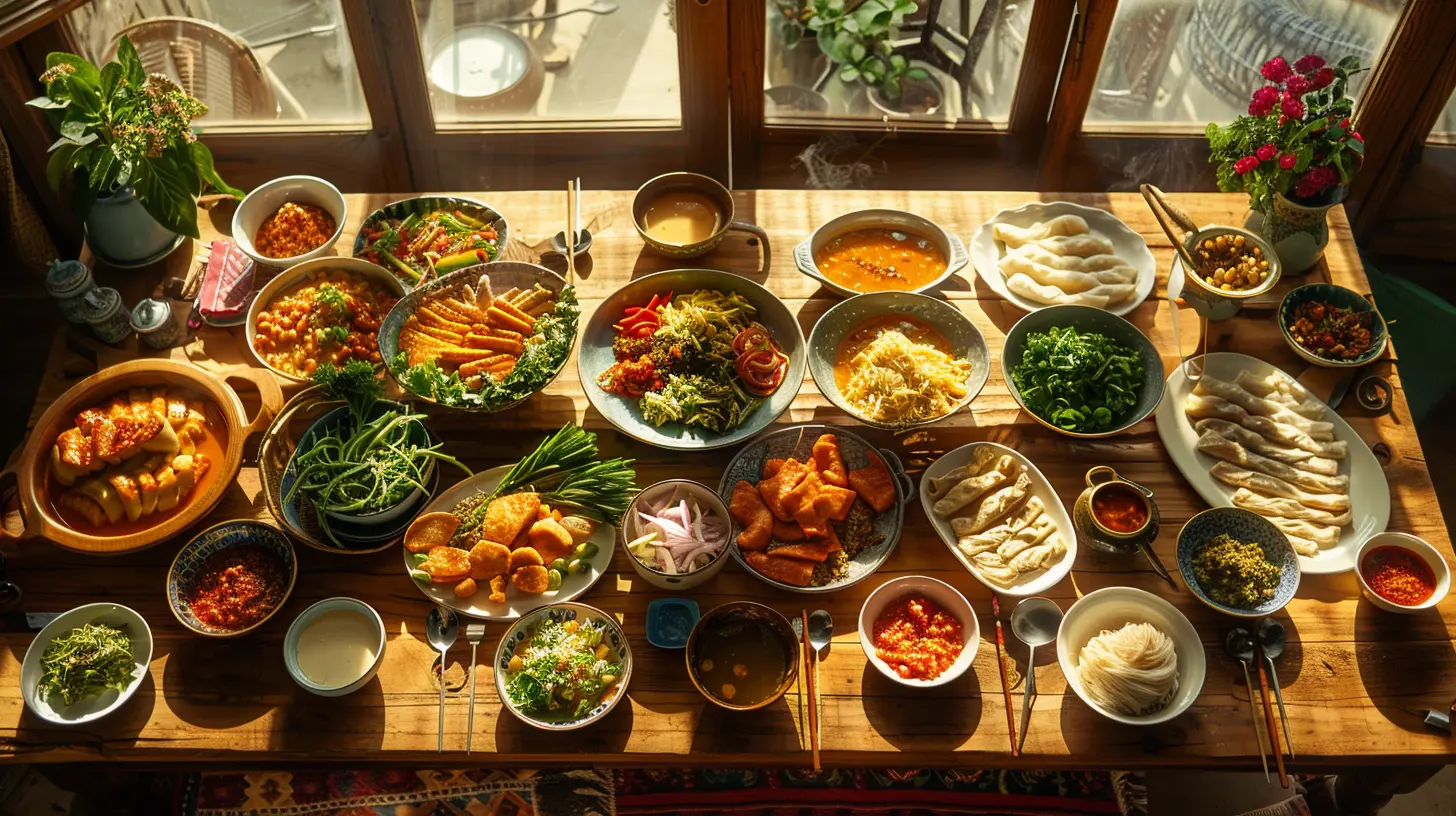
Why Are Family Meals So Important?
Before we dive into the how, let’s talk about the why.Family meals are more than just a routine—they’re a powerful time for bonding. Studies show that families who eat together regularly have better communication, kids with stronger self-esteem, and even improved academic performance. Not to mention, it’s an opportunity to instill healthy eating habits and life values, one bite at a time.
Think of family meals as emotional glue. When the world feels chaotic, dinner can be the calm in the storm—a consistent anchor in a busy day.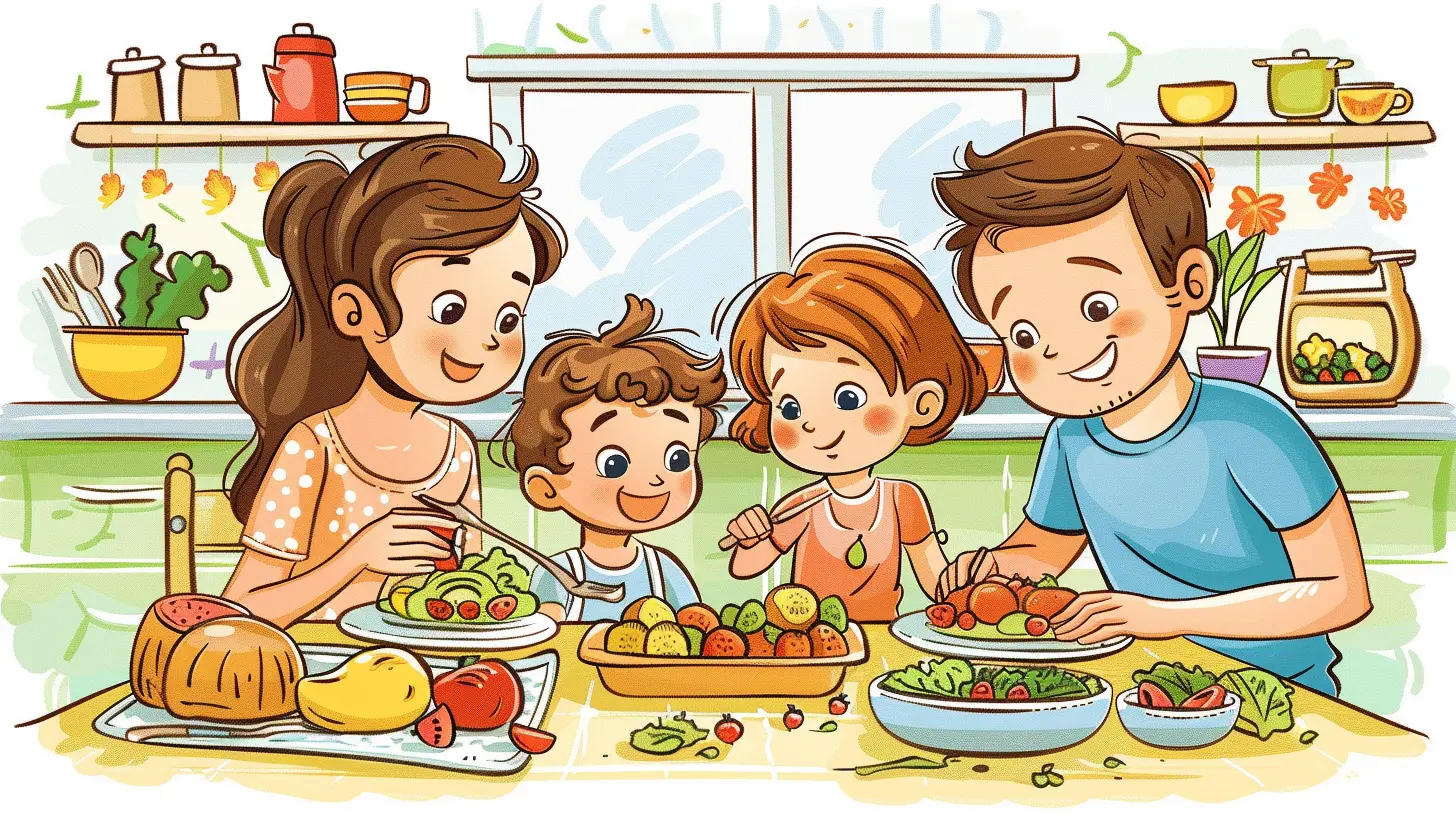
Start With Realistic Expectations
First things first—let’s drop the fantasy of a picture-perfect dinner where everyone sits still, eats everything on their plate, and sings “Kumbaya.”Life’s messy. Kids are picky. Parents are tired. And guess what? That’s okay.
Instead of aiming for perfection, aim for consistency and connection. Even a 15-minute meal together without distractions counts as quality time.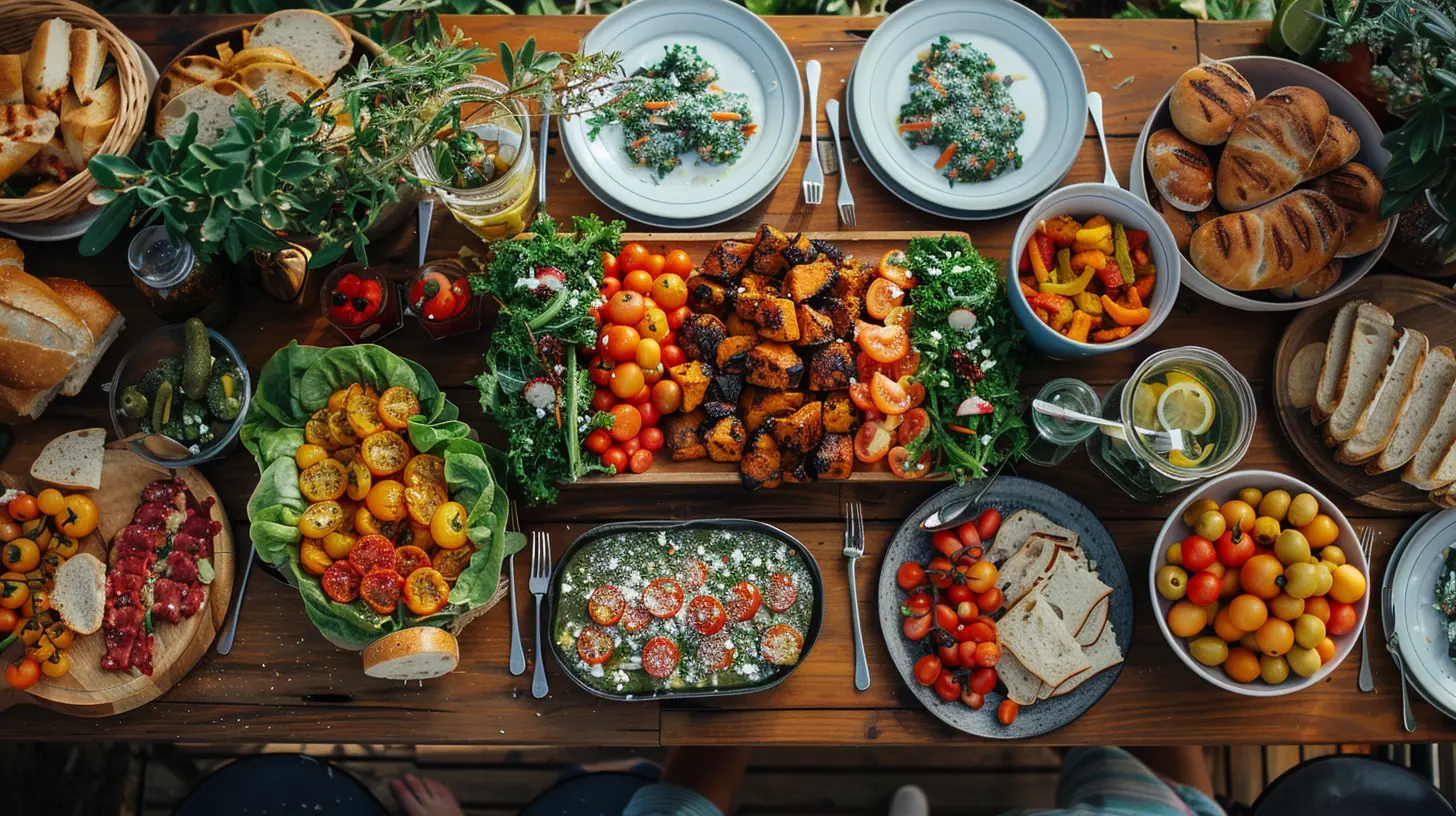
Create a Cozy Atmosphere
Ambiance matters—yes, even at the dinner table.You don’t need fancy table settings or candles (unless you want to!), but a simple effort goes a long way. Clear off the clutter, dim the lights a little, maybe toss on some soft music in the background. Make the table a stress-free zone where everyone feels relaxed and welcome.
If the kitchen is the heart of the home, then the dinner table is the soul. Set the tone with warmth and comfort.
Make It a No-Phone Zone
Let’s talk about the biggest party crasher at dinner: screens.Phones, tablets, and TVs are connection killers. When we’re glued to our devices, we’re not really “present.” Making family mealtime screen-free can be a total game-changer. Announce it gently, like:
> “Hey guys, let’s put our phones away so we can actually talk to each other.”
Turn off the TV. Put phones in a basket or another room. Just be there—really be there.
Get Everyone Involved
Here’s a great trick for getting your kids more engaged at mealtime: let them help.Even toddlers can stir, set the table, or wash veggies. Older kids can help plan the menu or cook a dish. When everyone feels like they’ve contributed, they’re more likely to care about the experience.
Plus, it teaches responsibility, boosts confidence, and maybe—just maybe—gets them excited about vegetables.
Make Meals Fun (Yes, It’s Possible!)
Who says dinner has to be serious?Add a little sparkle to your meals with themed nights (Taco Tuesday, Breakfast-for-Dinner Fridays), create your own “restaurant” where kids take turns being the waiter, or play simple table games like “Two Truths and a Lie.”
Laughter is the secret ingredient to any happy mealtime. Don’t be afraid to get a little silly.
Use Mealtime to Talk—Not Lecture
Family dinners are golden opportunities for conversation, but choosing what to talk about matters.Instead of using this time to correct behavior or dive into school performance, aim for open-ended, judgment-free questions like:
- “What was the best part of your day?”
- “If you could have any superpower, what would it be?”
- “What made you smile today?”
Keep things light, positive, and safe. The goal is for your kids to associate family meals with comfort and good vibes—not stress or criticism.
Keep the Menu Simple and Stress-Free
You don’t have to whip up a five-course feast every night.The goal is togetherness, not culinary perfection. Rotate easy favorites, batch-cook on weekends, or even have a sandwich-and-soup night. Whether it’s homemade lasagna or takeout pizza, what matters most is that you’re sharing the moment.
And if cooking every night feels like a burden? That’s your sign to delegate. Kids can pitch in, or you can prep freezer-friendly meals ahead of time to make weeknights a breeze.
Embrace the Mess (Yes, Really)
Let’s face it: spills happen. Plates get dropped. A toddler might decide that peas are better suited for the floor than their mouth.It’s all part of the fun.
When you accept the messiness that comes with family meals—both literal and figurative—you create an environment where your kids can be themselves. And when they feel safe and accepted, that’s when the magic of mealtime really kicks in.
Prioritize Quality Over Quantity
Can’t do dinner every night? That’s totally okay. Life happens—there are work deadlines, soccer practices, and last-minute school projects.Instead of stressing about frequency, focus on making the meals you do share count. Even once or twice a week can make a big difference when they’re intentional and positive.
Teach Gratitude and Mindfulness
Gratitude is like the seasoning of the soul. A quick moment before eating to express what you’re thankful for—no matter how small—can create a sense of calm and unity.You don’t have to make it formal. Something like, “Let’s each say one good thing about our day,” is simple and effective. Over time, this small habit can shape a huge mindset shift in your family.
Mix Up the Seating Sometimes
Yes, assigned spots are comfy and safe, but switching things up every now and then can spark new conversations and dynamics. Maybe mom and dad sit next to different kids, or everyone draws a seat number from a hat.It keeps things fresh and encourages kids to engage with everyone, not just their usual “dinner buddy.”
Celebrate Wins, Big or Small
Did someone get a good grade? Master a new skill? Make a new friend?Bring those wins to the table—literally. Mealtime is the perfect platform to cheer each other on. When your child sees their achievements matter to the family, it boosts their self-worth and makes meals something to look forward to.
Even celebrating the dog learning a new trick can bring smiles all around!
Be Flexible and Go With the Flow
Some nights, everything clicks beautifully—great food, meaningful talk, zero mess. Other nights? You’re scarfing down takeout while the toddler throws chicken nuggets behind the couch.It’s all part of the journey.
Be kind to yourself. The goal isn’t to create perfect dinners—it’s to create a positive history of family meals. One imperfect dinner doesn’t cancel that out.
Foster a Culture of Respect
Setting expectations around behavior at the table isn’t about being strict—it’s about creating respectful space. Teach your children to listen when others talk, use polite manners, and take turns sharing.It helps meals feel safe and inclusive, and over time, these routines become second nature.
Pro tip? Model the behavior you want to see. Kids are little mirrors—they reflect what they observe.
Wrap-Up: It’s the Connection That Counts
Whether you’re serving steak or spaghetti, whether your toddler eats one bite or one hundred, the true value of family meals lies in the connections you build.It’s about eye contact, shared stories, clinking forks, and shared silence too. It’s about showing up—not just with food, but with presence.
So, take a deep breath. Let go of the pressure. Pull up a chair. And remember—every meal shared is a chapter written in your family’s love story.
Quick Recap: Tips to Make Family Mealtime a Positive Experience
1. Drop perfection—embrace reality2. Make it a device-free zone
3. Create a cozy, welcoming atmosphere
4. Let kids help with prep and planning
5. Keep the menu simple and doable
6. Add fun with games or themed nights
7. Use conversation starters to connect
8. Celebrate even the small stuff
9. Teach kindness and respect at the table
10. Focus on consistency, not frequency
Final Thought
Making family mealtime a positive experience isn’t about elaborate recipes or ideal conditions. It’s about intention. When you make space for shared moments, even the smallest efforts have a ripple effect that lasts far beyond the dinner table.So tonight, even if you’re just microwaving leftovers or serving breakfast for dinner, know this: you’re nourishing more than bodies—you’re feeding hearts.
all images in this post were generated using AI tools
Category:
Parenting AdviceAuthor:

Tara Henson
Discussion
rate this article
1 comments
Rowan Ruiz
Family mealtime is a chance to connect. When we share stories and laughter, we create lasting memories that strengthen our bonds.
July 16, 2026 at 4:03 AM