Raising Compassionate Kids in a Competitive World
15 June 2026
We’ve all heard the phrase “It’s a dog-eat-dog world,” right? But here’s a thought — what if your kid was the one offering a kind hand to the underdog? In today’s hustle culture, where competition starts before kids can even tie their own shoes, raising compassionate children can feel like swimming upstream. But trust me — it’s not only possible, it's powerful.
Let’s talk about how we, as parents, can nurture empathetic, kind-hearted kids in a society that often prioritizes winning over well-being. Spoiler alert: you don’t have to choose between raising a go-getter and a good human. You can absolutely have both.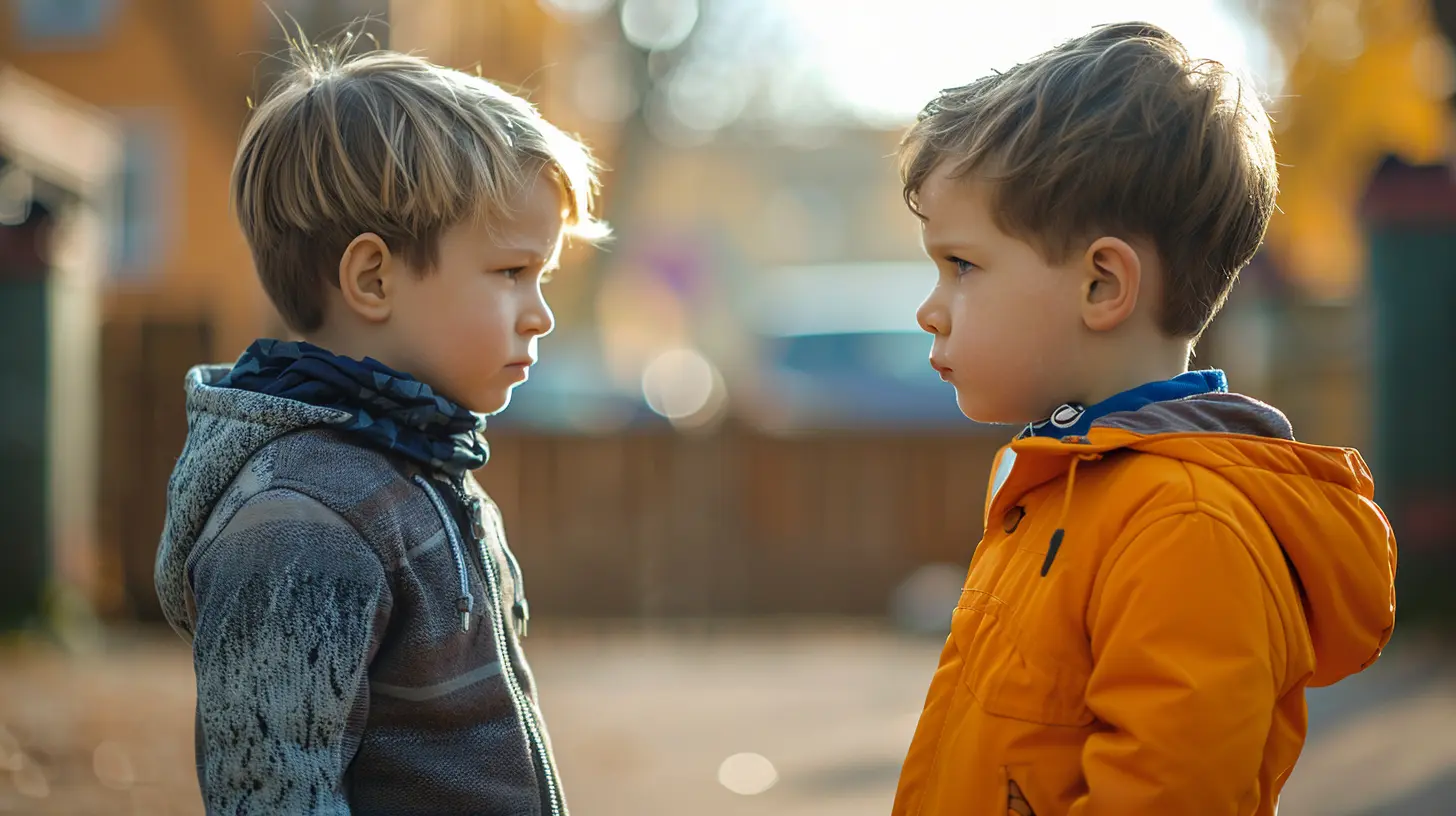
Why Compassion Matters More Than Ever
We live in a fast-moving world. Kids are tested, ranked, and compared from a young age. It’s like they’re running a race before they even know what the finish line looks like. But here’s the kicker — success without kindness is hollow. A high-scoring kid without emotional intelligence might climb the ladder faster, but will they know what to do once they get to the top?Compassion is not just a “nice-to-have.” It’s essential. Empathy builds stronger friendships, boosts mental health, and even contributes to better leadership skills. Think about it — wouldn’t you rather your kid be the one who includes others instead of pushing them aside to win?
Start With the Small Stuff
1. Model the Behavior You Want to See
You’re their first teacher, and they’re watching you closer than you think. Ever noticed how your child repeats your expressions or mimics your tone? That’s your cue. If you want your child to express compassion, let them see it in action.Be kind to the cashier. Talk gently about others, even in private. Practice patience on the road (yes, even when someone cuts you off). Your everyday actions set the stage for their moral compass.
2. Teach That Everyone Has a Story
When your child sees another kid crying or acting out, don’t just brush it off. Use it as a teachable moment. Say something like, “Maybe he’s having a hard day,” or “I wonder what might be going on with her.”Encouraging this kind of thinking plants seeds of empathy. It shifts their mindset from judging to understanding — and that’s everything.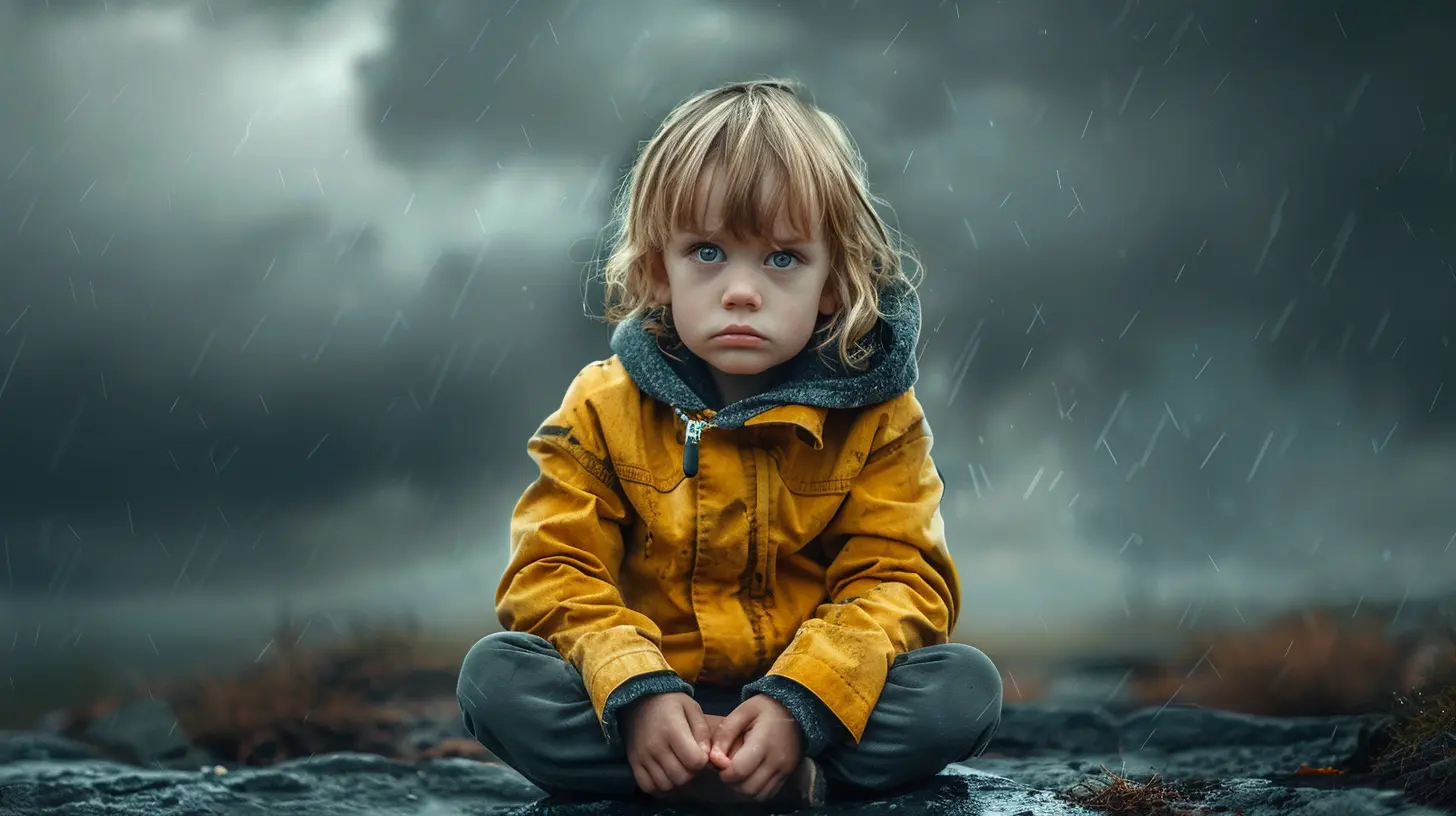
Balancing Kindness With Ambition
Now, let’s be real for a second. We don’t want our kids to be pushovers. You might ask, “Can my kid be both ambitious and compassionate?” Absolutely.The trick is to reframe success. Instead of praising only straight A’s or scoring the winning goal, celebrate character-based achievements too:
- “I saw how you helped your friend when they were upset. That was really thoughtful.”
- “You stood up for someone — that took courage!”
- “It means a lot that you shared, especially when it wasn’t easy.”
That way, your child learns that kindness isn’t just something we talk about — it’s something we value.
Don’t Let the Race Swallow Them Whole
1. Avoid Constant Comparison
The phrase “Why can’t you be more like [insert name]?” is a fast-track route to insecurity. Instead of motivating kids, it makes them feel like they’re not enough. And kids who feel "not enough" may resort to unhealthy competition.Instead of comparing, focus on growth. Ask them:
- “What did you learn today?”
- “What would you do differently next time?”
- “Did you try your best?”
These kinds of questions reinforce that personal development is more important than beating someone else.
2. Make Room for Stillness
We cram so much into our kids’ schedules — school, sports, music, tutoring. But when do they have space to reflect? Or just... be?Compassion often grows in quiet moments — when a child has time to think, feel, and connect. So it’s okay (actually, it’s vital) to let them be bored sometimes. That’s when the magic of empathy can take root.
Playing the Long Game
Parenting with compassion in mind isn’t a one-and-done deal. It’s a marathon, not a sprint. You might not see instant results, but every little interaction makes a difference.1. Encourage Volunteering Early On
Involve your kids in age-appropriate acts of service. Maybe it’s helping sort donations, writing notes to nursing home residents, or feeding pets at a shelter.Getting kids involved in helping others — especially people outside their usual circles — expands their empathy muscles.
2. Sprinkle in Some Stories That Stick
Don’t underestimate the power of stories. Books, movies, and even real-life examples can open their eyes to different struggles and perspectives.Choose stories with strong emotional journeys. When your child feels for a character, they learn to step into someone else’s shoes — and that’s a superpower in itself.
Here are a few books and movies that do a great job:
- Books: "Wonder" by R.J. Palacio, "Last Stop on Market Street" by Matt de la Peña
- Movies: "Inside Out," "The Boy Who Harnessed the Wind"
Afterward, talk about it together. Ask:
- “How do you think that character felt?”
- “What would you have done if you were in their place?”
These conversations go a long way toward building emotional intelligence.
Normalize Mistakes and Apologies
No child is perfectly kind all the time (and honestly, neither are we grown-ups). Kids will mess up. They’ll say something mean or ignore someone who needed help. That’s okay, as long as we use those moments to teach, not shame.Use the Oops Moments
Instead of scolding, ask gentle questions:- “What happened there?”
- “How do you think they felt?”
- “What could you do differently next time?”
Then — and this is key — guide them through making it right. Help them apologize, or show them how to check back in with the person they hurt.
Showing your child that it’s safe to admit mistakes fosters humility — which is deeply tied to compassion.
Compassion Is Contagious
Ever noticed how a single act of kindness can brighten your whole day? Or how kids light up when they feel truly seen and valued?Compassion creates a ripple effect. When your child is kind, it influences their friends, their teachers, their little siblings. It’s like tossing a pebble into a pond — the waves just keep going.
And it doesn’t stop in childhood. Compassionate kids often grow into emotionally intelligent adults — the kind of people who make workplaces more inclusive, communities more supportive, and relationships more meaningful.
What If the Other Kids Aren’t Compassionate?
Ah, this one hits home for many parents. “But what if my child ends up being the only kind kid in a pack of meanies?”First off, give yourself a high five. The fact that your kid stands out for being thoughtful? That’s something to be proud of.
And second — remind your child that being kind doesn’t mean being passive. Teach them the power of boundaries and standing up respectfully. Compassion includes self-respect.
Let them know: It’s okay to walk away. It’s okay to protect your peace. And most importantly, kindness is never weakness — it’s quiet strength.
Your Role as the Gardener
Think of yourself as a gardener. You don’t force the flowers to bloom — you create the conditions for growth. Sunlight, water, patience. Compassion works the same way.You create the environment. You plant the seeds. And over time, you’ll see your child blossom into someone who not only thrives in this competitive world — but makes it a little softer for everyone around them.
Final Thoughts: Kindness Is a Legacy
At the end of the day, we all want our kids to succeed — but what does success really look like? Is it a trophy? A title? Or is it the way they treat the people around them?Raising a compassionate child in today’s cutthroat world is an act of quiet rebellion. It’s swimming against the current. But it’s worth every splash.
Because in the long run, compassion isn’t just the “nice” path. It’s the stronger, braver, more impactful one. So go ahead and raise that kind-hearted warrior — the world desperately needs more of them.
all images in this post were generated using AI tools
Category:
Teaching EmpathyAuthor:

Tara Henson
Discussion
rate this article
1 comments
Priscilla McElveen
Great tips! Compassion really makes a difference.
June 24, 2026 at 4:26 AM
Tara Henson
Thanks! I'm glad you found the tips helpful. Compassion is key in helping kids thrive.